Author - Jim Sleiman

Red brick wall with small visible cracks showing the early signs of a crack in brick wall.

Which Materials Work Best for Repairing a Crack in a Brick Wall?

Materials that truly work are matched to the crack’s cause, using structural stitching for stepped failures, flexible sealants for live movement, breathable mortars for heritage joints, and protective renders for brutal weather exposure. You’re dealing with more than an eyesore; a crack in brick wall signals movement, moisture, or both. A durable fix blends diagnosis, compatible materials, and tidy detailing, so the line doesn’t wander back after the next hot northerly. This article explains the triggers, compares professional repair systems,...
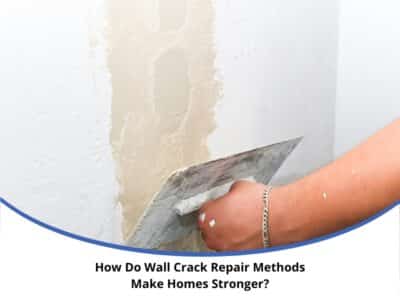
Applying plaster to fix cracks using Wall Crack Repair Methods.

How Do Wall Crack Repair Methods Make Homes Stronger?

Wall crack repair methods make homes stronger by stopping movement and moisture at the source while rebuilding the wall system; using wall crack repair methods with flexible, breathable layers prevents repeat cracking and protects surfaces through wild weather. Hairlines and wider fractures behave differently, so innovative sequencing matters more than quick patching. Leave cracks “for later,” and they spread, stain, and start to bite the budget. Go beyond cosmetic fixes, diagnose the cause, then stabilise, render, and seal. After that,...

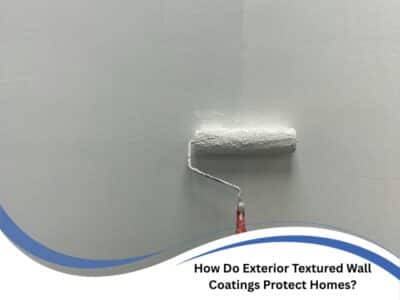
Worker applying exterior textured wall coatings with roller for smooth, durable wall protection.

How Do Exterior Textured Wall Coatings Protect Homes?

Your home’s exterior is far more than just a façade—it’s the frontline defence against the elements. When you choose exterior textured wall coatings, you’re adding a robust, engineered layer that improves durability, manages moisture and boosts insulation. This article explores the real advantages of textured wall finishes and how they safeguard your property in Sydney’s varied climate. Why do exterior walls need extra protection? Exterior walls need extra protection because they endure relentless exposure from sun, rain, salt air and temperature swings—leading...

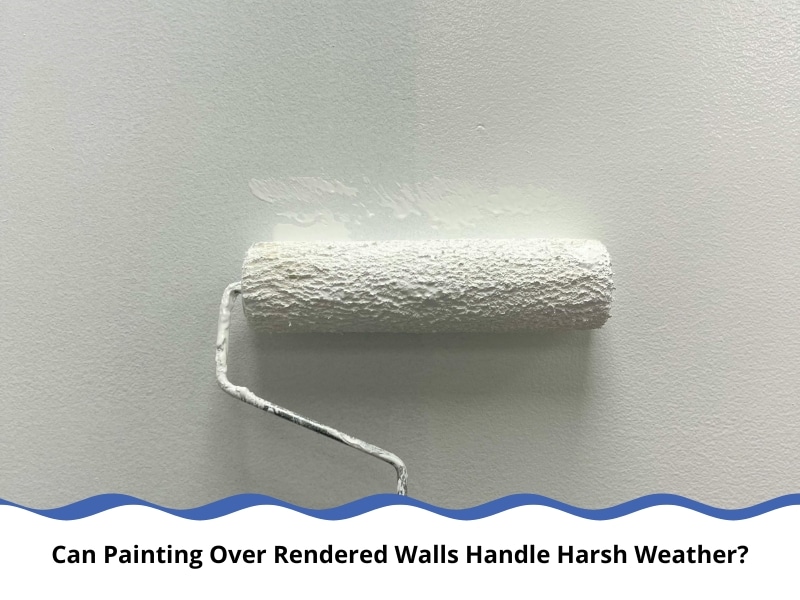
painting over rendered walls using a roller for smooth coverage

Can Painting Over Rendered Walls Handle Harsh Weather?

Painting over rendered walls can indeed survive harsh weather—if you get the prep, materials, and timing right. Many homeowners see peeling, cracks or swelling after rain and blame poor paint, but often the root cause lies in moisture, weak adhesion or surface flaws. By combining proper moisture control, compatible paint and smart technique, your walls can remain durable and good-looking. This article explores how to make that happen in real‑world conditions. Why does paint often fail on newly rendered walls? One big...

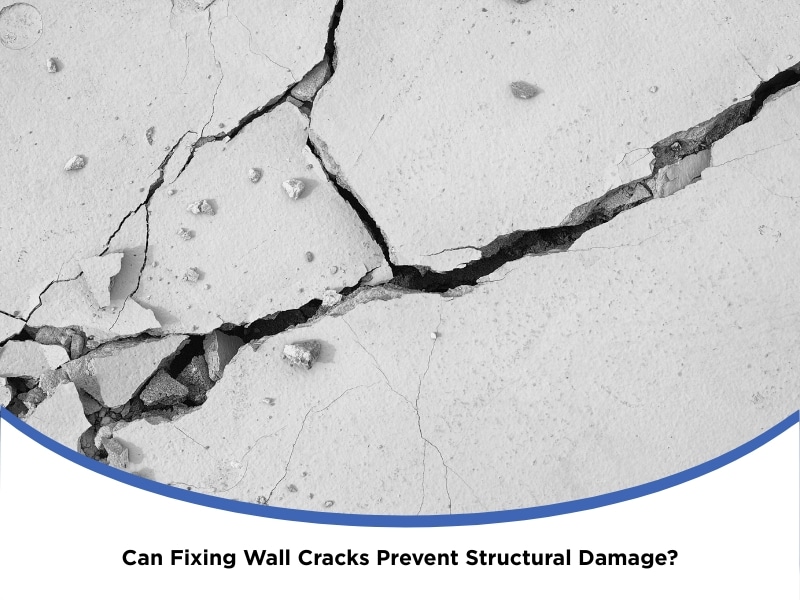
severe wall damage before fixing wall cracks

Can Fixing Wall Cracks Prevent Structural Damage?

Fixing wall cracks plays a vital role in preserving a home’s long‑term stability. Small cracks often seem harmless, yet they can hint at bigger problems like foundation movement, moisture seepage or shifting structural elements. Letting them go unchecked lets those tiny flaws morph into costly, dangerous issues that affect both safety and resale value. Understanding how and why cracks develop — and what you can do about them — arms you with the chance to step in before it’s too...

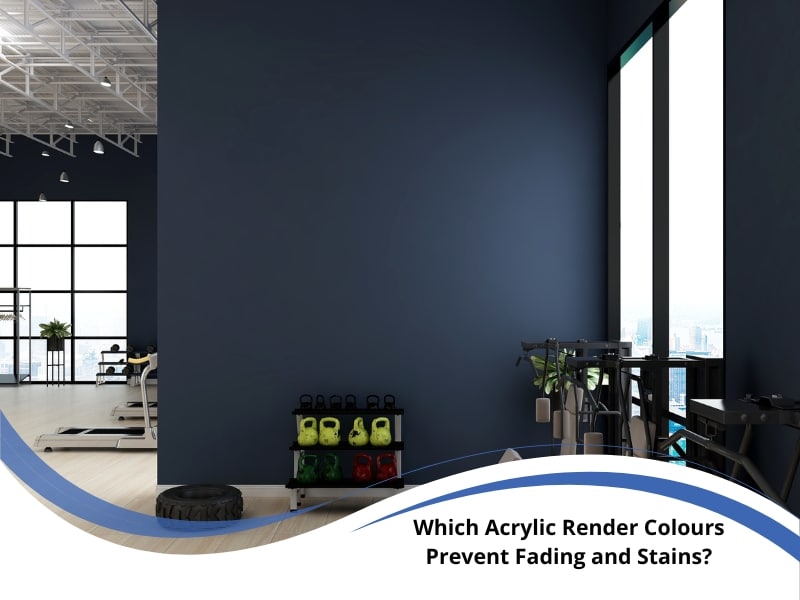
acrylic render colours in dark blue finish on modern gym wall with fitness equipment.

Which Acrylic Render Colours Prevent Fading and Stains?

Which Acrylic Render Colours Prevent Fading and Stains? Bright, full‑depth acrylic render colours that resist UV, provide water resistance, and include proper substrate prep are best at preventing fading and stains. Choosing the right acrylic render colours can be a bit of a minefield, especially when you want them to stand the test of time. Fading, staining, and patchy wear aren’t just cosmetic issues—they indicate deeper problems, such as moisture ingress or substrate mismatch. The wrong colour choice, combined with unsuitable...

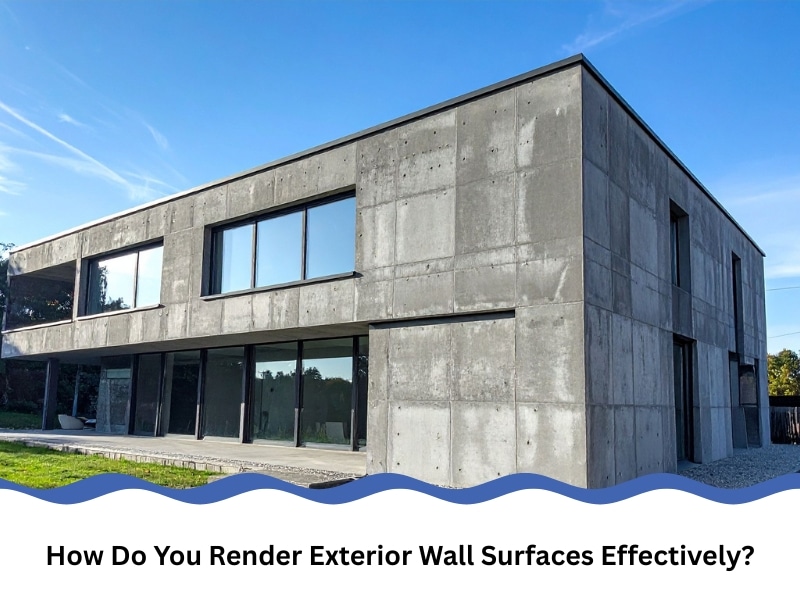
Modern house design showing how to render exterior wall with smooth finish.

How Do You Render Exterior Wall Surfaces Effectively?

How Do You Render Exterior Wall Surfaces Effectively? To render exterior wall surfaces isn’t just about looks—it’s a layer of defence against the elements. Done well, it keeps moisture out, improves insulation, and adds real value to your home. But when rushed or done without care, rendering can turn into a costly problem. It cracks, flakes, and in some cases, traps moisture inside the wall. That’s why every step—prep, mix, application—matters. This article explores what usually goes wrong and how to...

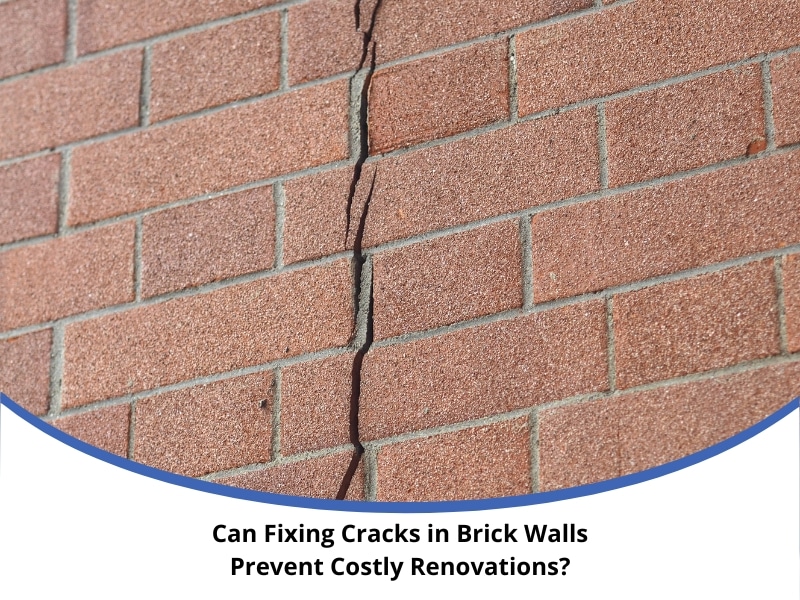
Large vertical crack in red brick wall showing need for fixing cracks in brick walls.

Can Fixing Cracks in Brick Walls Prevent Costly Renovations?

Can Fixing Cracks in Brick Walls Prevent Costly Renovations? Cracks in brick walls are more than a cosmetic issue. They’re warning signs — and ignoring them is like letting termites move in rent-free. Often caused by soil movement, moisture, or ageing materials, these cracks widen over time and open the door to much larger structural dramas. Fixing cracks in brick walls early helps avoid costly renovations down the track. Small gaps might not look serious at first glance, but they often...

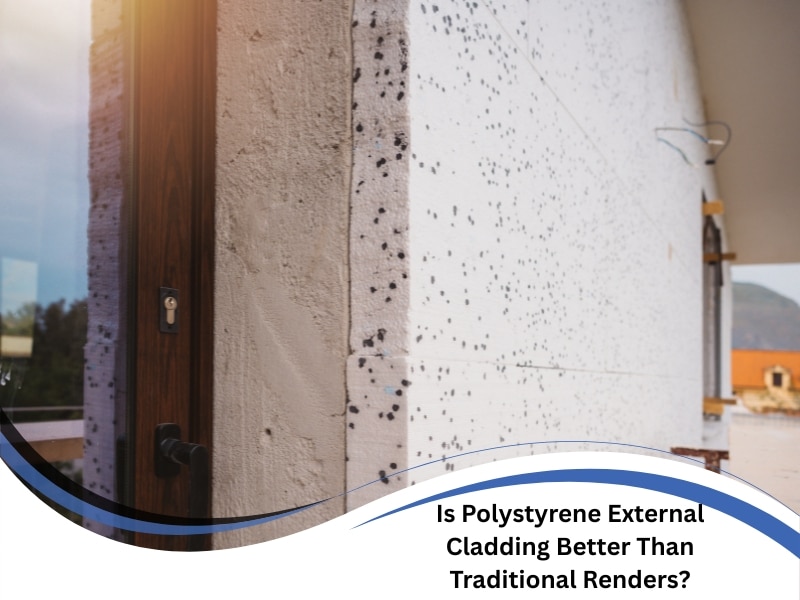
Polystyrene external cladding installed on a home’s facade under renovation.

Is Polystyrene External Cladding Better Than Traditional Renders?

Making decisions about your home’s exterior isn’t always easy. As building standards evolve, homeowners face pressure to choose materials that perform well under Australia’s conditions. Traditional renders may be familiar, but modern alternatives like polystyrene external cladding offer a different set of strengths. These include insulation, durability, and adaptability. Still, misconceptions about cladding often muddy the waters. This article explores how polystyrene compares to render — and why understanding the trade‑offs matters before you commit to either. Why do homeowners struggle...

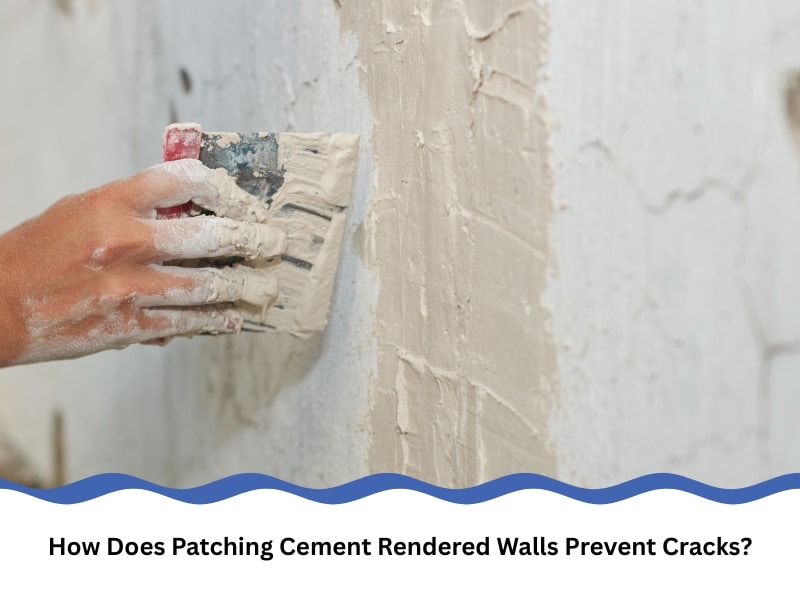
Hand applying patching cement rendered walls with trowel on damaged exterior surface

How Does Patching Cement Rendered Walls Prevent Cracks?

Cracks in rendered walls are more than just a cosmetic concern. Left untreated, they can expose surfaces to moisture and weaken the structure, leading to costly repairs. Many homeowners underestimate the role of proper patching in preventing these issues. When done right, patching can reinforce the integrity of a rendered wall and extend its life. But when skipped or poorly executed, the damage often worsens. This article explores how patching cement rendered walls helps prevent cracking and supports long-term wall...

Call Now Button