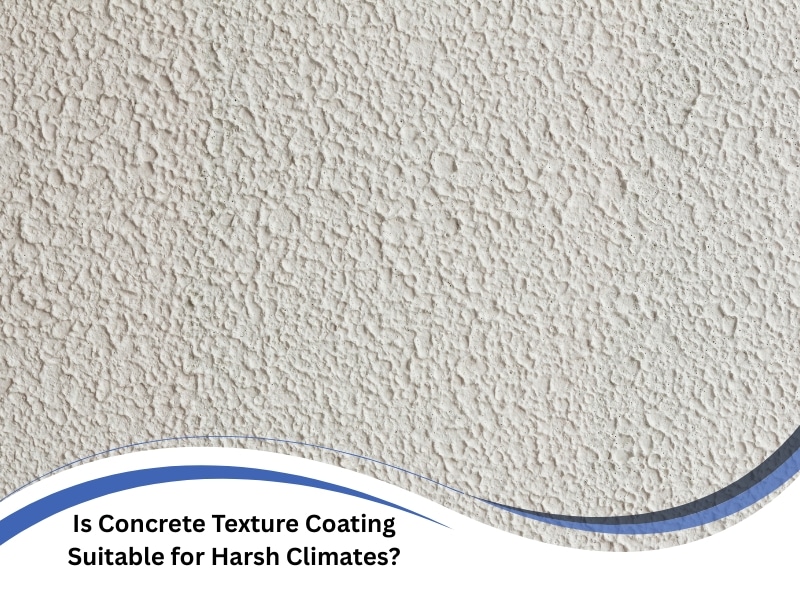
Concrete surfaces in harsh climates don’t get an easy ride. Between scorching heat, heavy rain, and sudden temperature shifts, exposed concrete wears down faster than you can say “hairline crack.” That’s why many homeowners and builders rely on concrete texture coating—a durable, weather-ready solution built to withstand harsh conditions. But not all coatings are created equal, and a poor choice can lead to early failures. This article explores how concrete texture coating performs in extreme climates, what makes it effective, and what you need to know before applying it outdoors.
What climate-related problems affect untreated concrete surfaces?
If left unprotected, concrete wears down quickly in harsh weather. Here’s what typically goes wrong:
- Cracking from freeze-thaw cycles: Moisture seeps in, freezes, and expands, causing internal fractures that grow with each winter. This leads to dangerous surface separation over time.
- UV damage and discolouration: Strong sunlight degrades surface compounds, causing chalking and surface erosion. Without UV-resistant layers, fading sets in quickly.
- Surface erosion from rain and wind: Constant water and wind strip away micro-particles from exposed surfaces, weakening texture and reducing adhesion for future coatings.
- Thermal expansion stress: Day-to-night temperature swings expand and contract concrete, encouraging microcracks that eventually lead to structural instability.
These conditions all contribute to early failure if concrete is left uncoated. Texture coating helps interrupt this cycle.
How can a concrete texture coating fail under extreme weather?
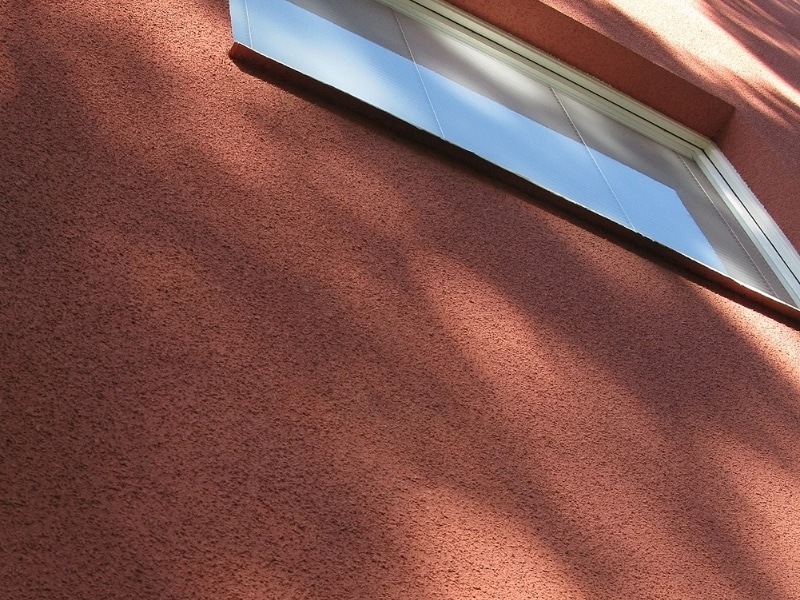
Texture coating provides strong protection, but without the correct technique and material, it can still fall short:
- Inadequate adhesion: Applying to dusty, wet, or poorly cured surfaces leads to peeling and flaking under pressure. Adhesion depends on perfect surface prep.
- Low elasticity: Rigid coatings can’t stretch with concrete. Cracks form when coatings don’t move with the substrate in temperature shifts.
- UV-sensitive compounds: Sunlight weakens low-grade polymers, leading to colour fading and surface breakdown. Cracked coatings accelerate water damage underneath.
- Trapped moisture: Sealing in dampness leads to blistering, bubbling, or mould between layers. This is especially risky in coastal or humid climates.
Even small errors in product match or site preparation can cause major failures under weather extremes.
What factors influence concrete coating performance in extreme climates?
Long-term success comes down to quality materials and controlled conditions. Here’s what matters most:
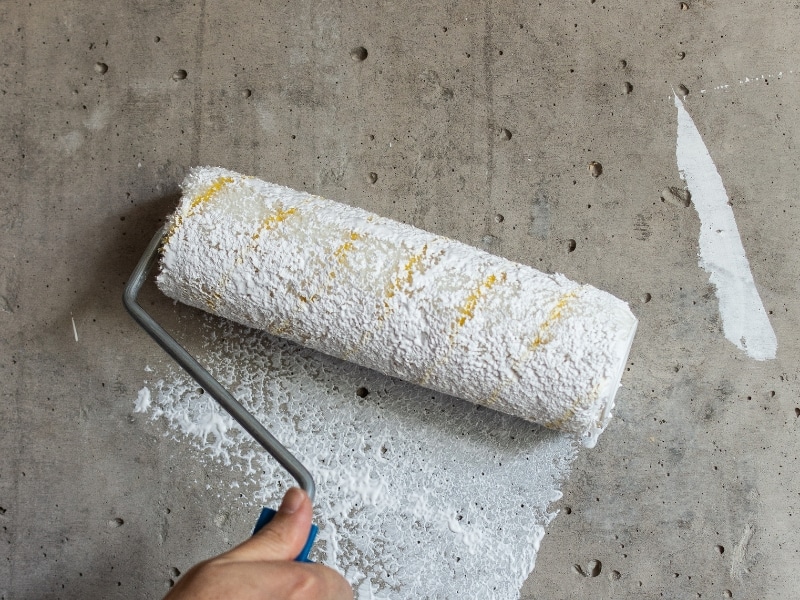
- Surface prep and cleanliness: Remove grease, efflorescence, or any previous coating. Use acid wash or mechanical abrasion if needed to create a sound base.
- Product formulation: Choose coatings made for UV, water, and thermal shock resistance. Elasticity and breathability are key performance drivers.
- Application technique: Professional tools ensure even coverage. DIY methods often lead to patchy protection and poor bonding.
- Climate conditions during application: Heat, wind, or rain can cause coatings to cure unevenly. Follow strict temperature and humidity guidelines.
Learn efficient application methods for concrete texture coating help maintain resilience in places with harsh seasonal swings.
How does concrete texture coating improve weather resistance?
Texture coating creates a strong, flexible barrier. Here’s how it works:
- Waterproof membrane: Prevents water entry, helping reduce freeze–thaw damage and mould growth on shaded surfaces.
- UV resistance: Reflects sunlight and prevents colour bleaching and structural degradation from long-term sun exposure.
- Flexible binders: Move with the concrete, protecting against expansion and contraction without cracking the surface layer.
- Textured finish: Provides traction, conceals surface irregularities, and reduces glare, making it both practical and visually appealing.
Quick-reference benefits of concrete texture coating:
| Feature | Protection Benefit |
| Waterproof additives | Stops water seepage and reduces the risk of internal cracking |
| UV-stabilised polymers | Prevents fading and maintains long-term colour consistency |
| Elastic binder technology | Absorbs movement without splitting or blistering |
| High-grip surface texture | Improves safety on ramps and paths during wet or icy conditions |
These combined benefits give texture coating a significant edge in Australia’s varied and often extreme climate zones. It’s also essential that you understand licence requirements for professional painting work to ensure compliance with local codes and deliver work that’s both legal and lasting.
What should you look for in climate-resistant texture coatings?
Not every coating handles the heat or the cold. Here’s what to look for in your selection:
- Product performance certifications: Ensure it’s rated for both thermal and UV extremes. Choose brands with test data or performance warranties.
- Formulated additives: Look for mould-resistance, anti-efflorescence, and waterproofing in the mix. These prolong lifespan in coastal and inland areas.
- Compatibility with render base: Ensure it bonds well with the substrate—bagged render, roughcast, or painted surfaces may require primers.
- Professional application support: Avoid DIY shortcuts—use qualified professionals to ensure proper application and long-term durability.
In humid areas, textured finishes offer another advantage. Products like textured cement render finishes provide enhanced durability when paired with matching base layers.
What maintenance does concrete texture coating need year-round?
A proper maintenance routine keeps your coating in top shape:
- Routine cleaning: Annual washes prevent dirt build-up and lichen or moss, especially in shaded or damp areas. Avoid abrasive tools that damage the finish.
- Seasonal inspection: After major weather events, inspect for splits, lifting edges, or colour changes to prevent deeper damage.
- Minor repair touch-ups: Small damage can spread quickly in rough weather. Use matching coating to reseal small chips or scratches.
- Protect against UV: Reapply topcoats every few years for longer colour retention and durability, particularly in full sun locations.
In feature applications, the coating also preserves the colour and feel of the materials used to create textured feature walls, ensuring consistency across facades
Final thoughts
Harsh climates test concrete from all angles—water, heat, wind, and movement. But modern texture coatings are up to the task if installed with care. The key lies in surface prep, smart product choices, and regular upkeep. Whether it’s sealing a driveway in the sun or fortifying a retaining wall in coastal mist, good coatings make a clear difference. And if you’re exploring options based on local weather and surface types, considering what Jim’s Rendering Sydney can do for your home may provide clarity on your next steps.