Cement Rendering Sydney
Jims Rendering Sydney — Sydney-wide cement rendering and repairs (15+ years experience).
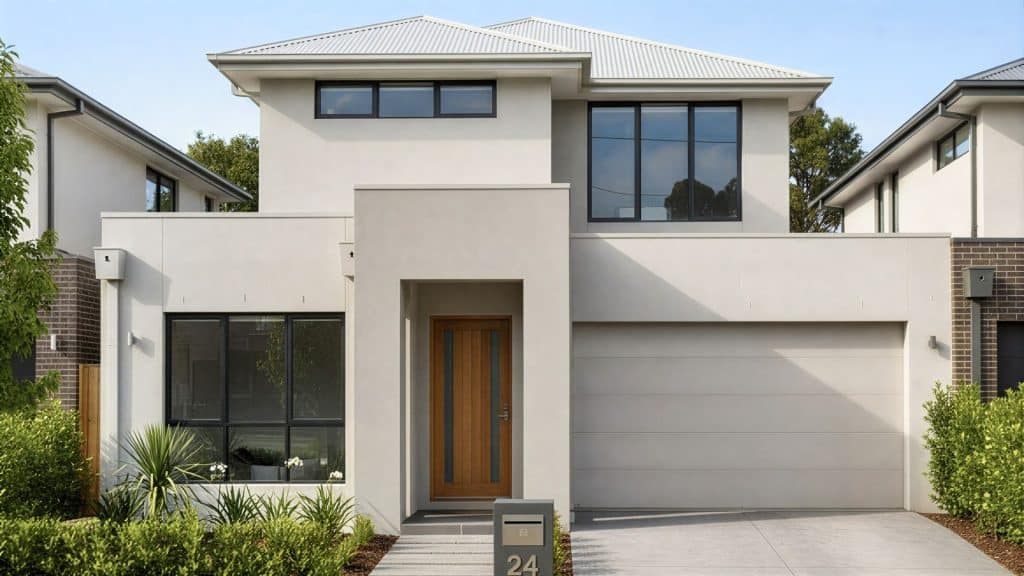
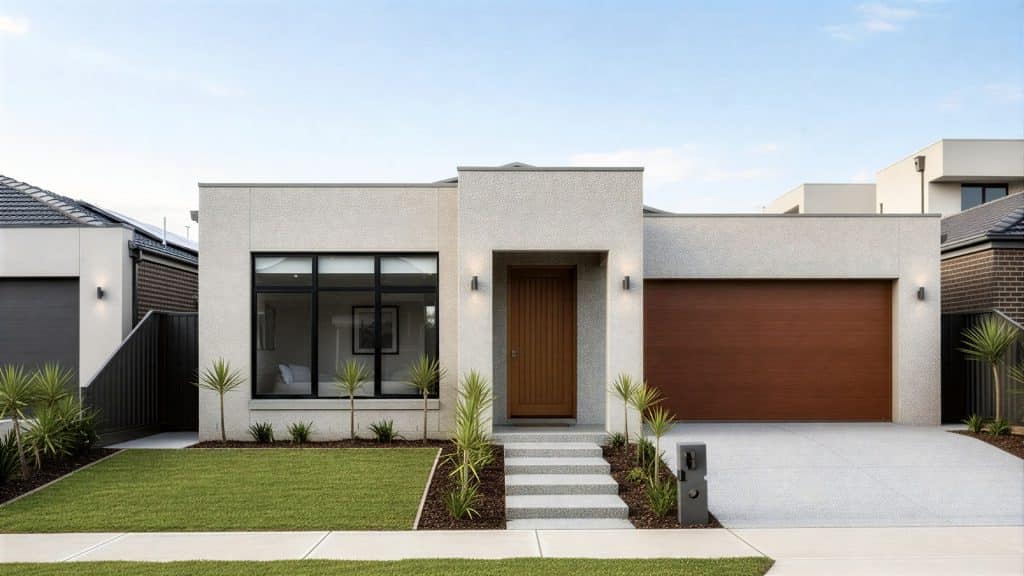
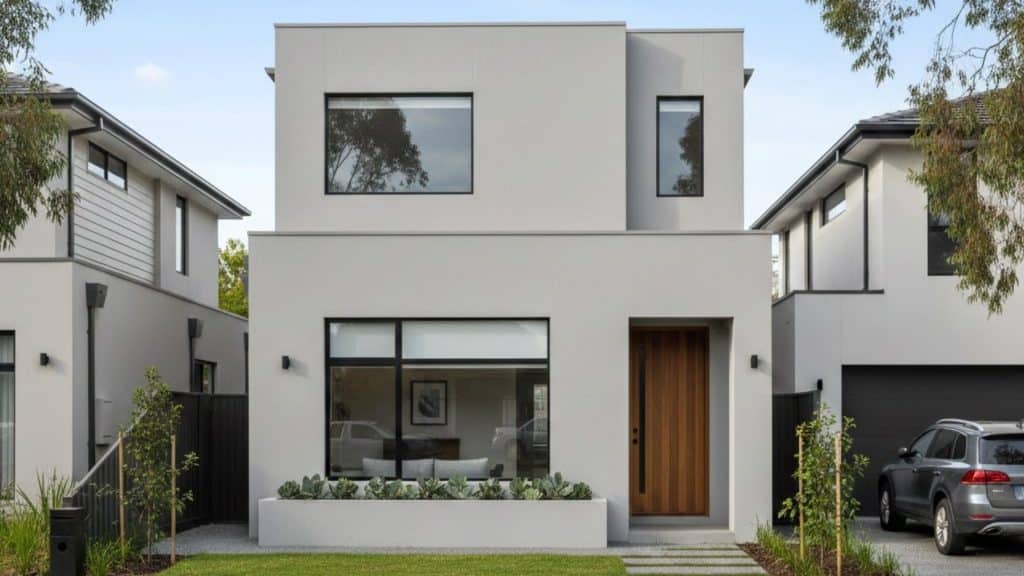
If you’re looking for cement rendering Sydney homeowners trust for a cleaner façade and a tougher external finish, you’re in the right place. We deliver cement rendering services for full-house upgrades, feature walls, and targeted repairs—quoted on-site, planned properly, and finished to suit your home and budget.
Not for you if… you’re chasing the cheapest quick patch with no prep, or you want a “guaranteed forever” promise (render doesn’t work like that).
Get A Free Quote

The work behind a solid render result
Cement rendering should do two jobs: lift the look of the home and protect the wall surface underneath. The “good” jobs are the ones where prep, bonding, and curing are taken seriously—because that’s what keeps the finish looking tidy over time.
Here’s what you can expect when you book our cement rendering services in Sydney:
If you’re doing a broader façade upgrade (or you’re rendering multiple elevations), it often overlaps with house rendering planning—access, sequencing, and finish consistency matter more once the job gets bigger.
What’s not included (unless scoped): painting, major structural rectification, and repairs unrelated to the render system (we’ll call these out clearly during quoting).
When cement rendering makes sense
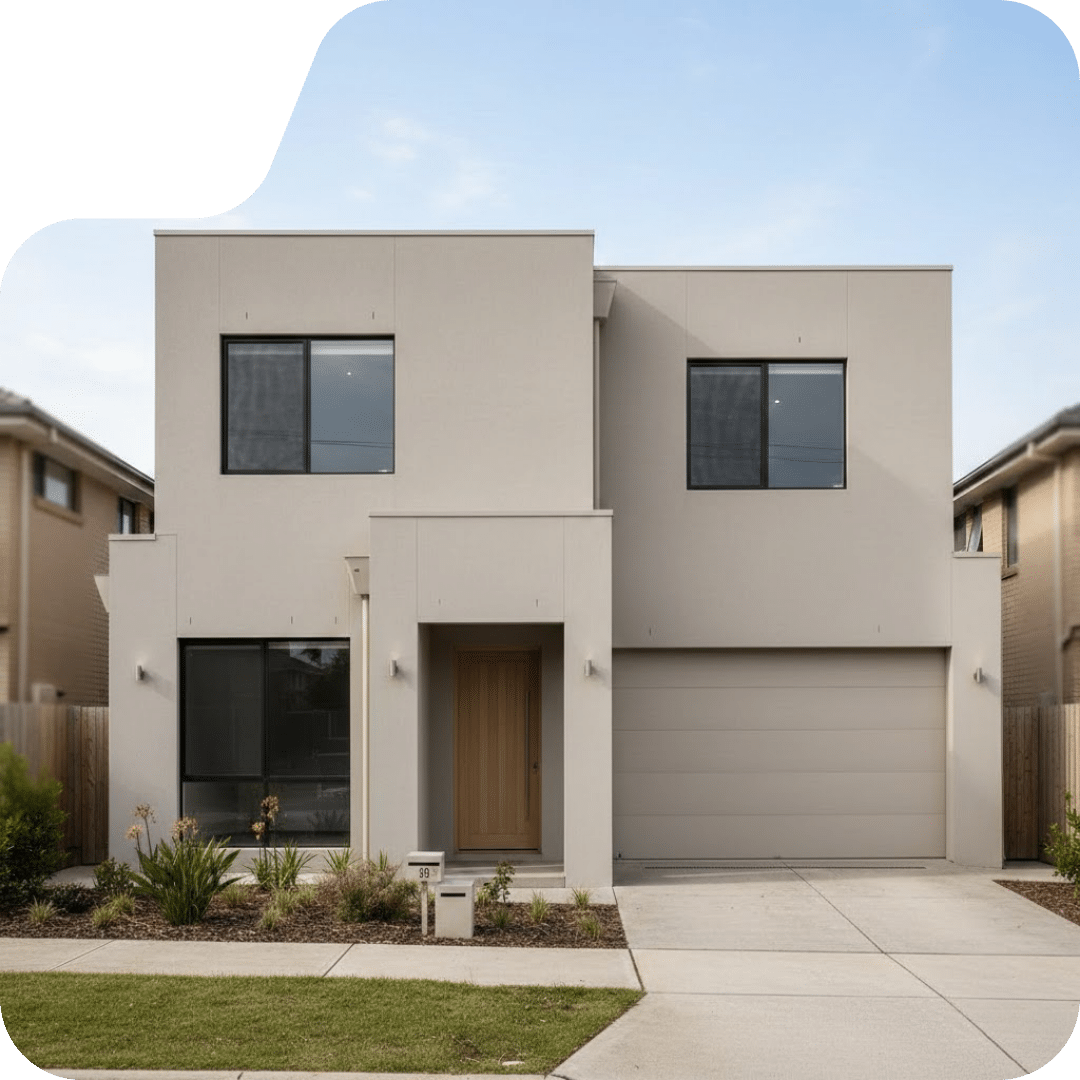
This service is a good fit if you want a real improvement—not a cosmetic band-aid.
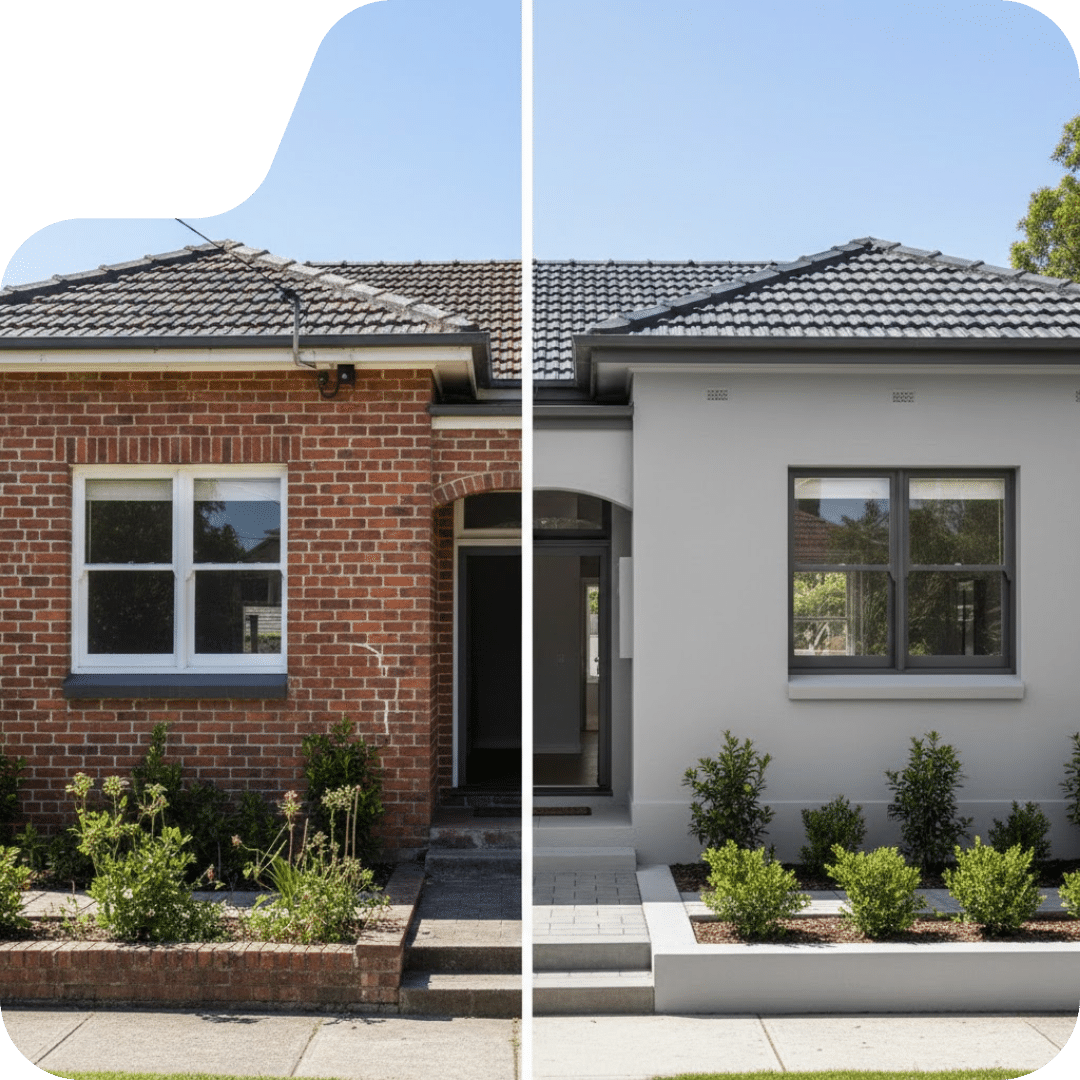
You’ll usually be a match if:
After-hours / urgent support: If you’ve got active water entry, failing patches, or safety concerns, we can often prioritise an inspection and discuss practical next steps (even if the full render needs normal daylight conditions to complete properly).
The results homeowners usually want
Most people call us for one of three outcomes: look, protection, or repairs. Often it’s a combo.
Here’s what acrylic rendering can improve on a typical Sydney property:
From inspection to finished render
Here’s how we run cement rendering jobs so you get a clean finish and fewer surprises.
1. On-site inspection + scope
We measure areas, check access, look for existing paint/render issues, and confirm the finish you want. This is where we confirm what’s included in the fixed quote.
2. Preparation (the part that saves you later)
We clean and prep surfaces, address obvious defects, and set the wall up so the render bonds properly. If the base isn’t right, the finish won’t last—simple as that.
3. Bonding/priming (as required)
Some surfaces need a bonding agent/primer to improve adhesion and water resistance.
4. Render application (base + finish coats)
We apply coats suited to the substrate and desired look. If you’re deciding between smooth vs textured, this is where texture coating options can be useful to compare outcomes.
5. Finishing, curing, and handover guidance
We finish to spec, then talk you through curing times and what to do next (especially if painting is planned). Rushing paint over render too early can trap moisture—so we’ll give you realistic timing.
Sydney service areas and availability
We’re set up for Sydney-wide work. For booking, we typically:
Coverage examples (Sydney-wide): Inner West, Western Sydney, North Shore.
If your project is time-sensitive (moving date, builder schedule, or urgent repairs), tell us upfront so we can plan around it.
How to avoid the wrong renderer
Not all rendering is the same. If you’re comparing quotes, these checks will help you avoid the headaches.
Questions worth asking
Red flags
If you want more background before you book, this guide is handy: process, costs and what to expect
Standards and guidance
NSW Government: licensing information for wet plastering work (requirements can apply depending on project value and scope): Wet plastering work — NSW Government
NSW Fair Trading: consumer guidance for residential building work (rights, contracts, and protections): Consumer Building Guide (PDF)
Questions homeowners often ask
Most jobs depend on wall area, access, prep needs, and weather. Many standard residential projects are completed over a few days, but larger homes or complex façades take longer. After the render is applied, curing time still matters—especially if you plan to paint.
Yes—if the surface is prepared correctly. Old brick can be rendered successfully when it’s cleaned, checked for defects, and primed/bonded where needed. The key is compatibility: the wall condition and previous coatings determine the prep method, not just “brick is brick”.
Cement render isn’t automatically “waterproof” by itself. It can be weather resistant, and it can be improved with correct detailing and protective coatings. If moisture management is a concern, we’ll discuss the right approach for your wall type and exposure.
Not always, but sealing/painting is common for added protection and the look you want. Some finishes are designed to be finished differently, so it depends on the system and your goals. We’ll give you clear guidance on what’s sensible for your façade.
Cracking can come from wall movement, poor prep, incorrect mix/application, moisture issues, or previous failures underneath. Hairline cracks can be cosmetic, while wider or recurring cracks can indicate movement or substrate problems. The fix should match the cause, not just the symptom.
Often, yes. If the problem is localised (chips, small cracking, isolated bubbling), patching and blending can be a smart option. If the render is failing broadly, re-rendering (or an alternative system) may be more cost-effective long term.
Common options include smooth, textured, and bagged looks—plus modern overlays depending on the base condition. The “best” finish is the one that suits your home style, matches exposure (sun/rain), and is practical to maintain.
Mild, stable weather helps curing and finish quality. Very hot, very wet, or very windy days can create challenges. We plan work around conditions so the render has the best chance to cure properly.
Yes. Many homeowners start with repairs, then choose to upgrade more of the façade once the walls are stable and prepped. If you’re unsure which way to go, we’ll assess it on-site and quote the right scope.
Requirements can apply in NSW depending on the type of work and project value, and the safest move is to confirm what applies to your job. We follow NSW Fair Trading guidance and can talk you through what’s relevant during quoting.
How our approach shows in the finish
A good rendering result isn’t magic—it’s the basics done properly.
What we focus on:
Related services (if you’re planning a bigger exterior upgrade):
If you’re comparing systems or upgrading multiple surfaces, you might also want to look at acrylic rendering or add a finish layer like texture coating. For insulation/cladding-style projects, polystyrene cladding installation can also be relevant.
Start your cement rendering project
If you want cement rendering done properly—clean finish, sensible prep, and a clear plan—let’s sort it.
Tell us what you’re rendering (single wall, full house, repairs)
We inspect on-site and confirm the right scope + finish
You receive a fixed quote and clear booking options