Can Fixing Cracks in Brick Walls Prevent Costly Renovations?
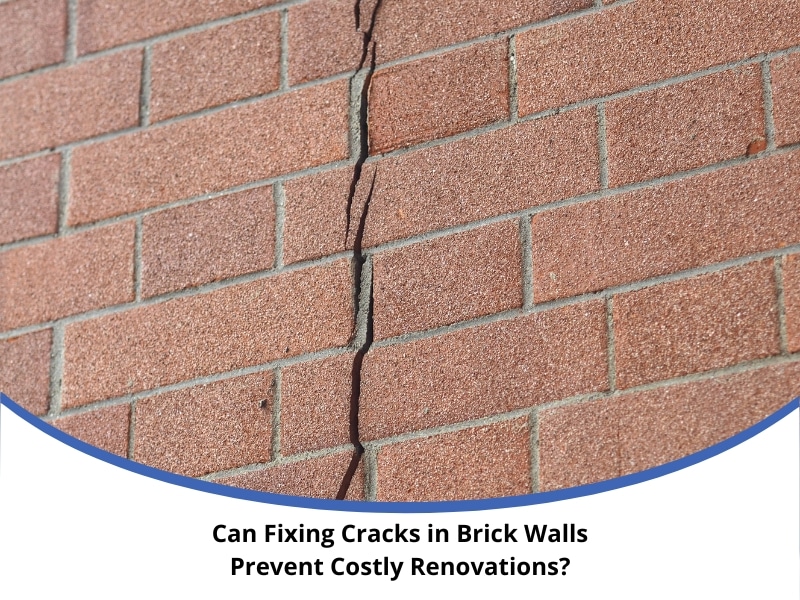
Cracks in brick walls are more than a cosmetic issue. They’re warning signs — and ignoring them is like letting termites move in rent-free. Often caused by soil movement, moisture, or ageing materials, these cracks widen over time and open the door to much larger structural dramas. Fixing cracks in brick walls early helps avoid costly renovations down the track. Small gaps might not look serious at first glance, but they often signal underlying stress in the structure. And once water finds a way in, things can go pear-shaped faster than you’d think. Rather than patching over the issue, the proper repair approach digs deeper: sealing, re-bonding, and stabilising both bricks and mortar. From tuckpointing to rendering, these repairs add durability and weather resistance — helping you dodge the big-ticket repairs no one wants.
What risks come from delaying wall crack repairs?
Putting off repairs often makes things worse. You might save a few bucks now, but pay triple when internal damage, structural shifts, or moisture problems pile up. Aussie homes are especially vulnerable due to clay-heavy soil and unpredictable weather.
- Walls lose structural integrity, especially in load-bearing areas
- Water seeps in through cracks, leading to internal plaster damage
- Mould, mildew, and rot thrive in hidden damp spots
- Gaps create pest highways for termites and ants
- Resale value drops when visible damage is left untouched
- Insurance claims can be denied if damage is seen as neglect
The longer cracks are left, the more extensive the repair job becomes. That’s why many people turn to affordable and reliable options for wall crack repairs before the issue spirals out of control.
Why do brick walls develop cracks over time?
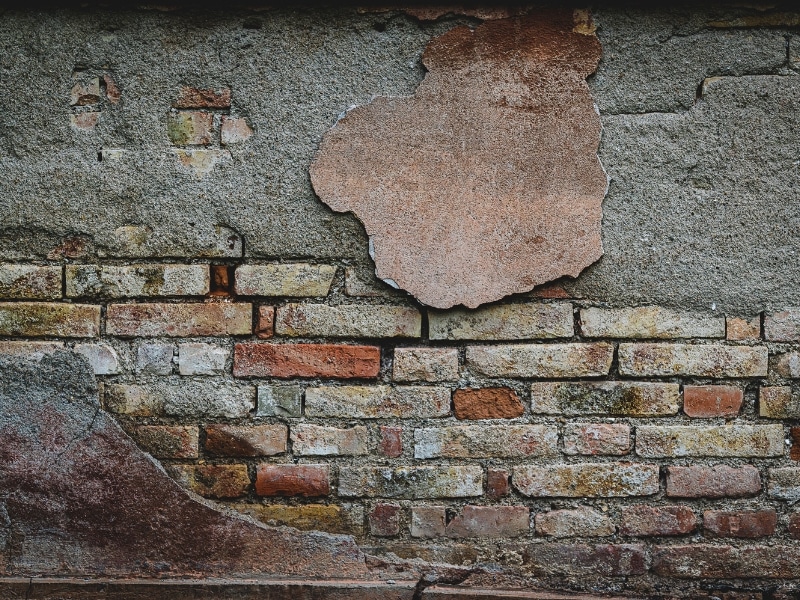
Brick walls are strong, but not immune to movement. Over time, even solidly built structures feel the effects of shifting soil, wild Aussie weather, and ageing materials. Cracks often show up as the first sign something’s shifted beneath the surface.
- The natural settling of foundations over time can lead to stair-step or diagonal cracks, particularly near windows.
- Seasonal soil movement from heavy rain or drought puts pressure on walls
- Thermal expansion makes bricks expand in summer and contract in winter, creating stress fractures
- Substandard construction or mismatched materials cause uneven tension
- Brittle or degraded mortar can no longer flex, leading to splits between bricks
Cracks tend to start as minor — hairline fractures near the base, under eaves, or around windows. But like a slow leak under the sink, they rarely stay that way for long.
How can water seepage turn small cracks into major wall damage?
Water’s sneaky. It’ll find the tiniest crack and work its way deep into walls, triggering a chain of damage that’s hard to stop. Once inside, moisture weakens mortar, rusts metal supports, and fuels mould and decay.
- Moisture penetrates porous bricks, softening the structure
- Freezing and thawing in colder regions causes cracks to widen
- White salt stains (efflorescence) form on the surface of bricks
- Internal walls swell or blister, damaging paint and plaster
- Wall ties and steel lintels rust, threatening overall stability
- Rising damp creeps up from the base, undermining the footing
If cracks align with water damage indoors, you’re already seeing the effects. To stay ahead, understanding how to repair cracks in walls helps you catch the early signs and apply the right fix before things escalate.
Which methods work best for fixing cracks in brick walls?
There’s no one-size-fits-all. The best repair method depends on the type of crack, the cause, and the wall’s condition. Whether surface-level or structural, every crack tells a story—and it needs the proper repair.
Common crack types and recommended repair methods:
| Crack Type | Repair Method | Typical Use Case |
| Hairline cracks | Flexible sealant | Cosmetic surface issues |
| Vertical cracks | Mortar re-pointing | Foundation settlement |
| Diagonal cracks | Helical bar reinforcement | Structural movement |
| Deep cracks | Epoxy injection | Internal load-bearing cracks |
| Surface erosion | Cement rendering | Weatherproofing and strengthening |
- Flexible fillers stop moisture but also flex with the wall
- Re-pointing reinforces mortar joints without replacing bricks
- Crack stitching uses steel bars to rejoin separated brickwork
- Epoxy resin injection bonds deep splits internally
- Rendering protects repaired surfaces from wind, rain, and sun
Older homes often have unique cracking patterns, particularly those related to plaster. You can explore what leads to cracked plaster walls in older homes to understand which fixes suit heritage structures.
When should tuckpointing be used while fixing cracks in brick walls?
Tuckpointing isn’t just about good looks — though it certainly tidies up tired walls. It’s a precise method that replaces old, crumbling mortar with fresh compound, stabilising the wall and sealing it against further damage.
- Ideal when the mortar is cracked, but the bricks remain solid
- Improves both strength and appearance, especially on visible walls
- Helps keep out water, insects, and debris
- Prepares the wall for rendering or painting
- Common in older homes, where mortar naturally degrades over decades
- Less invasive than complete rebuilds, but highly effective
If cracks are mostly between bricks and the mortar appears crumbly or discoloured, tuckpointing may be your best option. It’s a neat, long-term fix that preserves the original brickwork while improving wall strength.
Can rendering strengthen walls after crack repairs?
Absolutely. Rendering acts like a weatherproof skin — sealing the entire wall, improving insulation, and making everything look clean and cohesive. It’s a top choice after repairing cracked or patched sections, especially when walls face the elements.
- Seals minor imperfections that fillers or tuckpointing missed
- Adds a barrier against moisture, wind, and UV damage
- Improves energy efficiency, especially with insulating render
- Enhances curb appeal, blending new repairs into old walls
- Strengthens weakened surfaces, especially where bricks are porous
- Supports fire resistance, depending on the render type used
Rendered finishes help prevent future cracking and are commonly used in areas exposed to storms, sea spray, or high temperatures. A proper render application also aligns with official safety standards for structural maintenance, especially for commercial or investment properties.
Fixing cracks in brick walls
If you’ve spotted cracks in your brick walls, don’t ignore them — or you might be up for more than a weekend repair job. Whether from movement, moisture, or old age, wall cracks left unchecked can cause severe headaches down the track. However, here’s the good news: you have practical options. From re-pointing and crack stitching to full rendering, every repair helps you protect your walls and avoid bigger costs later. Stay ahead of damage, and your brickwork will last the distance. Ask Jim’s Rendering Sydney about tailored repair solutions — whether it’s re-pointing, rendering, or tackling stubborn cracks, they’ll help you choose what’s best for your walls without going overboard.