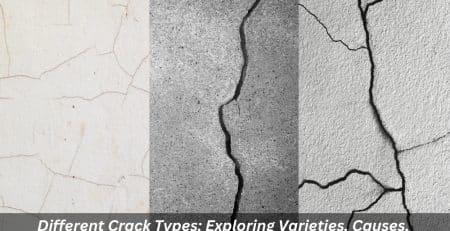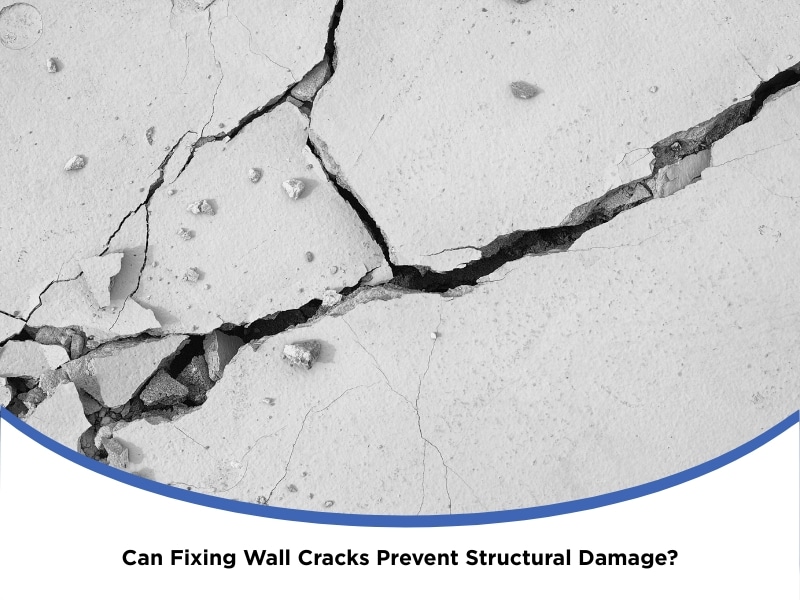
Fixing wall cracks plays a vital role in preserving a home’s long‑term stability. Small cracks often seem harmless, yet they can hint at bigger problems like foundation movement, moisture seepage or shifting structural elements. Letting them go unchecked lets those tiny flaws morph into costly, dangerous issues that affect both safety and resale value. Understanding how and why cracks develop — and what you can do about them — arms you with the chance to step in before it’s too late. This article explores whether addressing wall cracks early can really prevent structural damage.
Why do cracks keep appearing in walls over time?
Walls continue to crack because the building and its base are never truly static. Soil shifts, seasonal moisture changes, or natural settling all place stress on plaster and masonry. Cracks emerge as materials continuously adapt to those pressures rather than simply holding firm. Here are the key factors that drive ongoing cracking:
- Soil movement under the foundation pushes walls outward or sideways over the years, making new cracks appear even after repairs.
- Daily thermal expansion and contraction in plaster or masonry create micro‑movements that evolve into visible fissures.
- Water trapped behind walls weakens bonding agents, causing volume changes that pull plaster or render apart.
- Vibrations—from nearby traffic, heavy machinery, or even foot traffic—gradually aggravate small existing cracks.
- Poor reinforcement design or missing control joints leave walls unable to distribute stress, concentrating cracks into weak spots.
With awareness of these causes, you can see patterns and anticipate where issues might return. It helps to understand issues that trigger repeated plaster damage, so you’re not chasing the same crack over and over again.
How does poor maintenance make wall cracks worse?
Neglecting routine care lets cracks widen and multiply. Once small gaps permit moisture or dust, even modest daily stresses accelerate damage. A neglected crack doesn’t just stay small — it invites trouble. Here are the maintenance lapses that worsen wall cracks:
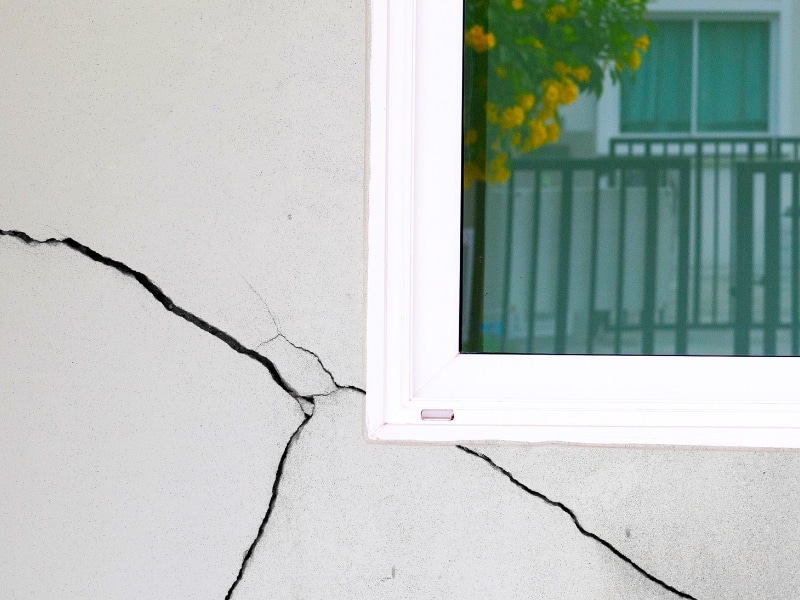
- Skipping regular repainting or sealing allows rain and humidity to reach vulnerable layers inside walls.
- Letting minor cracks sit without attention means they gradually expand under cycles of heat, cold, and movement.
- Blocked gutters, clogged downpipes, or poor drainage accumulate water near wall bases, pressurising plaster from behind.
- Using cheap or mismatched repair materials can create stress differentials, causing new cracks at patch boundaries.
- Skipping periodic structural inspections overlooks early signs of subsidence or shifting that eventually show as cracks.
Looking after your home’s exterior, drainage and wall coatings is key to preventing long‑term issues with consistent upkeep. Simple, regular maintenance often makes the biggest difference in keeping your walls crack‑free over time.
What risks come from delaying fixing wall cracks?
Allowing cracks to linger leads them deeper into the wall structure, threatening both plaster and load‑bearing elements. A crack left unwatched won’t stay cosmetic — it will evolve into something more serious, undermining wall strength and cutting into your options later. Here are the dangers of leaving cracks unattended:
- Cracks in brickwork tend to widen and coalesce, eventually destabilising masonry or causing walls to bow.
- Moisture entering cracks causes internal steel reinforcements or lintels to rust, provoking spalling or collapse.
- Cracks open doors to termites, mould and pests that attack internal framing behind walls.
- Thermal cycling and humidity exploit cracks to propagate damage into adjacent walls or ceilings.
- At later stages, repairs may require underpinning or rebuilding — far more invasive and costly than early fixes.
To illustrate how cracks evolve, here’s a breakdown:
| Stage | Crack Width / Type | Risk Level | Usual Treatment |
| Early hairline | < 1 mm in plaster | Low | Seal & reinforce |
| Moderate crack | 1–3 mm in masonry | Medium | Repoint, patch |
| Severe crack | > 3 mm, shifting bricks | High | Structural rebuild or repair |
| Progressive splits | Step‑cracks, stair patterns | Very High | Foundation stabilisation & rebuild |
Spotting cracks early prevents runaway damage. Beyond structural issues, understanding the common causes of paint cracking on interior walls can also reveal early signs of moisture or stress before they develop into serious wall damage. By addressing both surface and structural problems promptly, you safeguard your home’s strength and appearance.
Which methods work best for fixing wall cracks at home?
You can fix many cracks yourself if you pick the right techniques. The trick is matching the method to the crack type, preparing correctly, and working patiently. Here are reliable home repair techniques:
- Use flexible fillers or sealants that can flex slightly, rather than stiff compounds that crack again.
- For cracks wider than about 1 mm, embed fibreglass or metal mesh to help distribute stress across the patch.
- Feather patch edges into the surrounding surface so the repaired area blends and avoids stress lines.
- Once the patch cures, sand it smooth and apply a compatible primer or render so the finish remains intact.
- Over several weeks, watch for shrinkage or movement and touch up if needed.
- Always use products compatible with your wall material — for example, cement‑based on masonry, gypsum on framed walls.
Even when you’ve followed every step carefully, some cracks return. If that’s happening at your place, it might be time to explore the causes behind recurring damage after repair — and why some fixes just don’t hold.
Are professionals more reliable than DIY fixing of wall cracks?
Yes, professionals typically deliver more dependable results when cracks are structural or complex. For trivial surface damage, a homeowner may do okay — but where walls are shifting, structural knowledge matters. Pros go beyond patching, uncovering root causes and applying engineered remedies. Here are the advantages professionals bring:
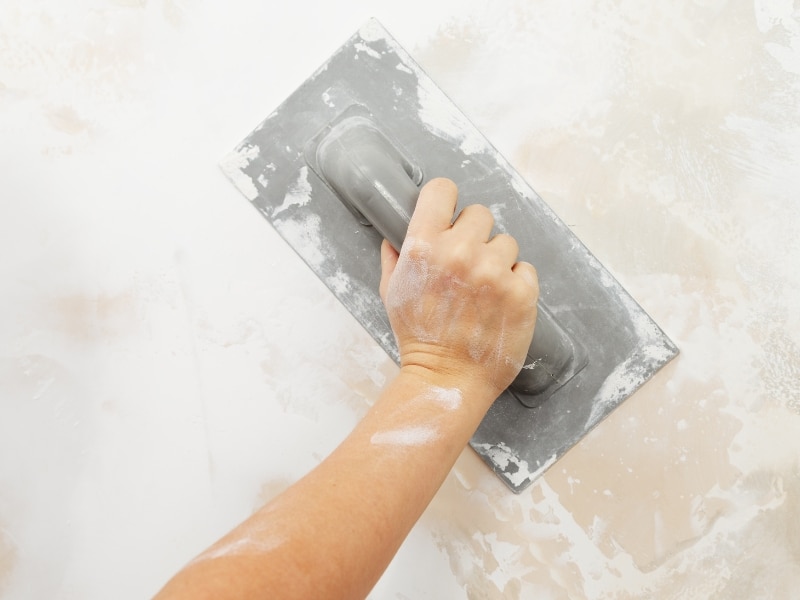
- Pros inspect foundations, moisture pathways, and possible reinforcement issues that DIYers might overlook.
- They work with industrial systems and warranties that are more resilient than DIY kits.
- Techniques like crack stitching, helical bars, and substrate stabilisation are standard among experts, but hard for novices.
- Professionals often collaborate with engineers when structural adjustment is necessary.
- Their repairs typically last longer, reducing the frequency of patching over time.
If you prefer assurance over risk, it makes sense to find reliable repair solutions for damaged wall surfaces via a specialist.
What mistakes should you avoid when fixing wall cracks?
Even small errors can wreck a repair job. Avoiding these common pitfalls first prevents you from patching again and again. Here are the most frequent errors to sidestep:
- Applying a repair mix shallowly or without cleaning the crack first can cause poor adhesion and patch failure.
- Not reinforcing cracks above a minimal width puts all stress on the patch, making it fail again.
- Over‑applying patch material traps moisture inside and leads to shrinkage cracking.
- Ignoring damaged substrate (damp wall behind the crack, loose plaster) undermines the patch’s foundation.
- Using filler types misaligned with your wall (e.g. gypsum where cement is needed) induces new movement.
- Painting or sealing prematurely traps internal tension, raising the risk that the patch fails under load.
Avoiding those errors substantially increases repair success.
Final thoughts on keeping walls strong and crack‑free
Ongoing care and timely repairs keep walls robust and resilient. Damage rarely begins with collapse — it starts with small cracks that are manageable early. Stay alert with regular checks, control moisture, and act before cracks worsen. When recurring cracks resist DIY fixes, professional insight becomes vital — explore how Jims Rendering Sydney handles stubborn wall damage.