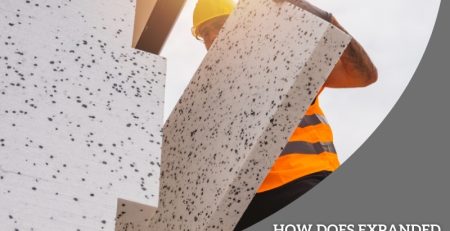
In many Australian homes, insulation underperforms due to outdated materials or poor installation. It’s a silent problem that can lead to hefty energy bills and year-round discomfort. As homeowners look for smarter options, rendered polystyrene cladding has emerged as a solution worth considering. It combines energy efficiency with a sleek finish, but is it truly effective? This article explores whether rendered polystyrene cladding can genuinely boost your home’s insulation and performance.
What causes insulation problems in Australian homes?
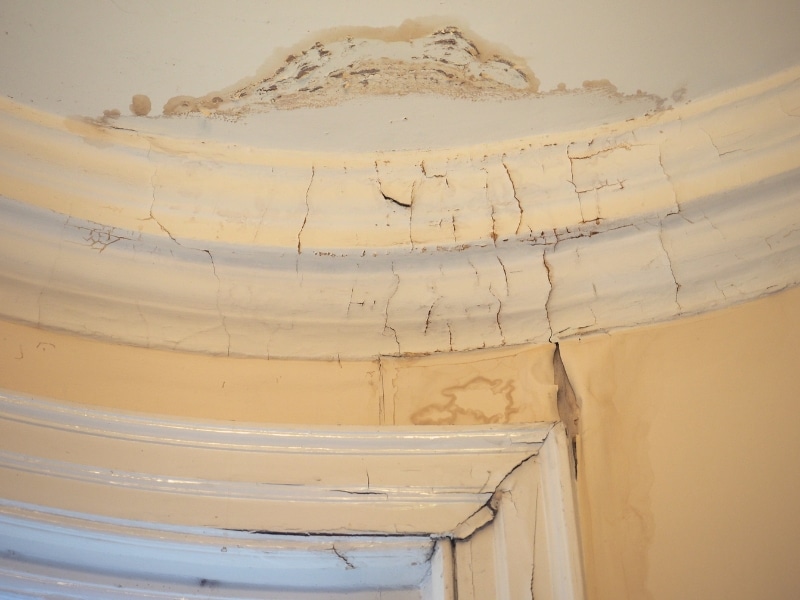
Inadequate insulation isn’t always easy to spot, but it creates noticeable discomfort during summer and winter. Many older homes in Australia weren’t built with energy efficiency in mind. Over time, even newer constructions can suffer from material degradation or design flaws.
- Gaps and cracks in walls – These allow air to pass through, making heating and cooling less effective.
- Poorly insulated roof spaces – Hot air escapes in winter or accumulates in summer, pushing systems to work harder.
- Improperly installed cladding – A rushed job can create thermal bridges that weaken the entire insulation layer.
- Renovations sometimes compromise insulation without the owners realising.
These issues combine to form inefficient thermal envelopes that waste energy. While minor at first, they gradually lead to more serious discomfort and increased costs.
Why do some installations of polystyrene cladding fail?
Polystyrene cladding can offer excellent thermal performance—but only if installed properly. Unfortunately, some jobs cut corners or skip crucial steps. That’s when insulation performance suffers.
- Misaligned panels – Even a slight shift can introduce air leakage and reduce insulation effectiveness.
- Unsealed joins between boards – Without sealing, water or air can seep in, compromising the cladding’s purpose.
- Skipping surface preparation – Dust or loose paint reduces adhesive strength, leading to poor adhesion.
- Neglecting corner and edge sealing – Vulnerable edges let in moisture and cause structural issues over time.
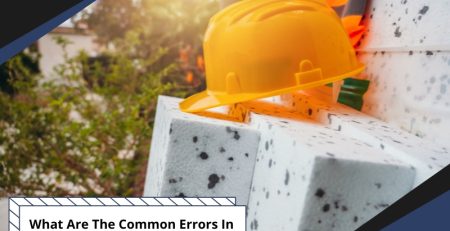
To avoid these pitfalls, it’s critical to understand the common errors in installing polystyrene cladding that lead to insulation failure. Professional workmanship and thorough sealing make the difference between a high-performing wall and a weak thermal barrier.
How can poor insulation affect your comfort and energy efficiency?
When your home’s insulation isn’t up to scratch, it shows in more ways than one. You might find yourself blasting the aircon in summer or struggling to stay warm in winter—all while your bills keep climbing.
- Inconsistent temperatures indoors – One room may be sweltering while another stays icy, especially during seasonal transitions.
- Higher energy use – Heaters and aircon systems work overtime, leading to costly bills and faster breakdowns.
- Drafts and air quality issues – Gaps in insulation introduce external air, dust, and humidity, making the home less healthy.
- Moisture build-up – Inadequate insulation can cause condensation, mould growth, and long-term structural wear.
Even small insulation failures can throw your energy efficiency off balance. Understanding how insulation contributes to thermal comfort in homes helps you make smarter decisions when upgrading.
What are the insulation benefits of rendered polystyrene cladding?
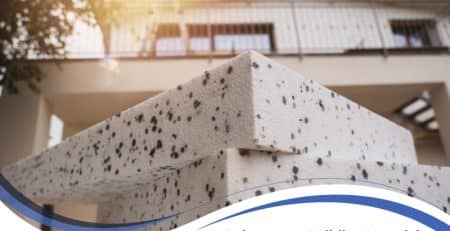
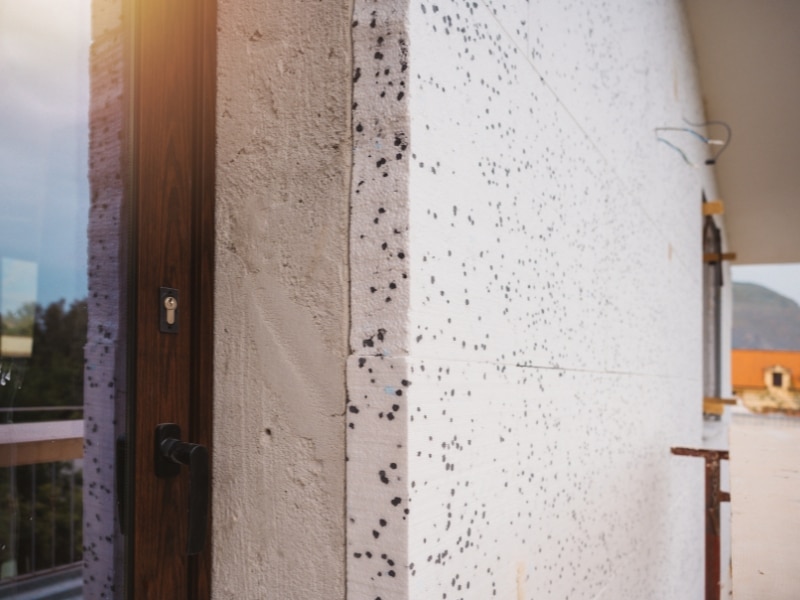
Rendered polystyrene cladding combines a lightweight material with a protective rendered finish. This pairing delivers several insulation advantages, especially when applied correctly.
- Minimises heat transfer – Polystyrene’s closed-cell structure resists temperature changes from outside.
- Creates an airtight barrier – The render layer and sealed joins prevent draughts and leaks.
- Boosts aesthetic appeal – Finished walls have a smooth, modern look that works with most home styles.
- Increases property value – Energy-efficient upgrades make homes more appealing to buyers and renters.
Unlike traditional wall systems, this cladding improves R-values without major structural changes. That means better energy retention and fewer temperature swings throughout the year. Homeowners looking to upgrade often start by exploring ways to find reliable solutions for polystyrene cladding installation for home insulation—a step that can noticeably impact comfort and efficiency.
| Feature | Traditional Brick | Rendered Polystyrene Cladding |
| Thermal efficiency | Moderate | High |
| Weight on structure | Heavy | Light |
| Moisture protection | Variable | Consistent |
| Installation speed | Slow | Faster |
How is polystyrene cladding installed effectively?
The success of rendered polystyrene cladding depends largely on how it’s installed. From prepping surfaces to ensuring strong bonds, every step plays a role in the final outcome.
- Precise panel measurement – Boards must align tightly to eliminate thermal gaps and avoid cutting mistakes.
- Correct adhesive usage – Strong adhesives maintain bond strength and protect against detachment during weather shifts.
- Layered mesh rendering – Fibreglass mesh prevents cracking and improves the structural integrity of the render.
- Sealing vulnerable points – Windows, doors, and joins must be carefully sealed to prevent air and water penetration.
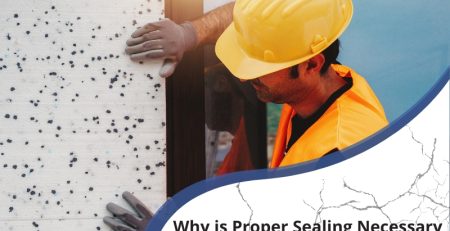
To improve results, builders often focus on improving insulation with proper sealing of polystyrene cladding during installation. A detailed, methodical approach ensures long-term performance and avoids the need for costly corrections down the line.
Which areas of a home benefit most from this cladding?
Not every surface in your home offers the same insulation potential. When it comes to polystyrene cladding, targeting the right zones can yield bigger comfort gains and energy savings.
- External walls facing direct sunlight experience the most significant temperature swings.
- Second-storey levels benefit from lightweight, high-R-value materials.
- South-facing walls retain heat better with enhanced insulation.
- Renovated sections often lack original thermal continuity.
By focusing on these spots, you’re more likely to feel a noticeable drop in indoor temperature extremes and achieve a stable internal climate year-round.
How effective is rendered polystyrene cladding for long-term performance?
Durability is a fair concern for any building upgrade. Polystyrene cladding—when rendered and sealed properly—holds up well over time, even in harsh Aussie conditions.
- UV-resistant finish – The render protects the core from degradation and fading under harsh sun.
- Insect- and pest-resistant – Unlike timber, polystyrene doesn’t attract termites or rodents.
- Waterproof when sealed correctly – Panels won’t absorb moisture, reducing the risk of hidden rot or mould.
- Low maintenance – Occasional repainting or render touch-ups are usually all that’s required.
Older installations often miss out on today’s sealing standards, which can lead to problems down the track. Even minor flaws can gradually reduce performance. Looking at how polystyrene cladding holds up over time highlights why both the right materials and solid installation matter.
Final thoughts
Rendered polystyrene cladding can be a game-changer when it comes to improving home insulation. From reducing energy use to increasing comfort, the benefits are clear—but only when installed the right way. If you’re thinking of upgrading your home’s thermal performance, explore how Jims Rendering Sydney can support your cladding needs.