
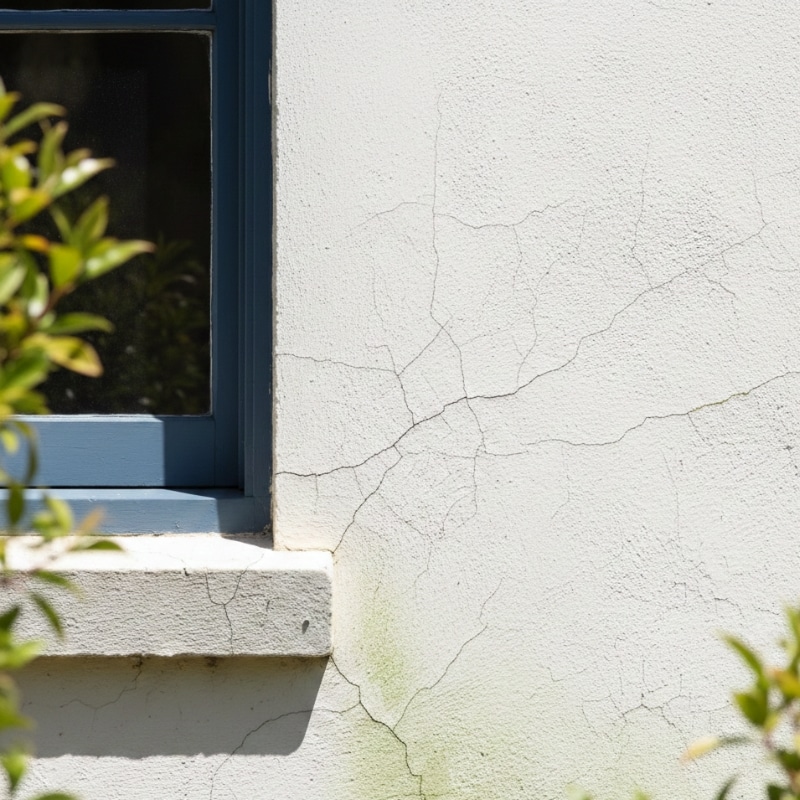
Hairline cracks in rendered walls are one of the most common issues Sydney homeowners notice—often appearing suddenly and without an obvious cause, and frequently prompting questions about whether wall crack repairs are actually needed. One day, the wall looks fine, and the next, there’s a thin line running across the render, catching the light at just the wrong angle.
The uncertainty is what causes concern. Are these cracks just part of normal building movement, or are they an early warning sign of something more serious? In Sydney’s climate—where homes experience cycles of heavy rain, dry spells, and temperature changes—cracking can have several explanations, not all of them problematic.
This guide is designed to help homeowners understand what hairline cracks in render usually mean, how to assess them safely, and how to recognise the situations where further attention is needed. Rather than jumping straight to cosmetic fixes, you’ll learn how to read the signs, monitor changes, and make informed decisions.
What Is Considered a Hairline Crack in Render?
A hairline crack is typically defined as a very fine fracture in the render finish, often less than 1 millimetre wide. These cracks may appear straight, slightly jagged, or faintly diagonal, and they can be difficult to see unless the light hits the wall at an angle or the surface is damp.
Importantly, hairline cracks usually affect only the render layer itself. They don’t automatically mean the wall behind the render is damaged or unstable.
Typical features of hairline cracks
- Very narrow, sometimes barely visible
- No noticeable depth when touched
- The surface on either side remains level
- Often appear in isolated sections rather than spreading rapidly
- Common within the first few years after rendering
Understanding these characteristics helps separate normal behaviour from cracks that warrant closer inspection.
Why Rendered Walls Crack in Sydney Homes
Rendered walls crack for different reasons than brick or plasterboard walls. Render is a rigid, cement-based coating, which means it doesn’t flex easily when conditions change.
Sydney homes are particularly prone to certain cracking triggers.
Shrinkage during curing
When render is first applied, it contains moisture. As it dries and cures, slight shrinkage is normal. If drying happens too quickly—due to heat, wind, or insufficient curing—fine shrinkage cracks can form.
These cracks often appear as thin, random lines and usually stabilise once the curing process is complete.
Temperature-related movement
Render expands in warm conditions and contracts as temperatures drop. Over years of seasonal change, this movement can stress the surface, particularly on north- or west-facing walls that receive prolonged sun exposure.
Without adequate control joints to absorb that movement, the render may crack to relieve tension.
Structural movement reflected through the render
While render itself doesn’t cause structural movement, it often reveals it. Any movement in the wall behind—however slight—can transfer through to the rigid render finish.
In Sydney, common contributors include:
- Reactive clay soils that expand when wet and shrink when dry
- Moisture changes around footings
- Settlement in newer homes
- Alterations or extensions that change load distribution
Moisture-related causes
Moisture is a significant factor in many render issues. Leaking downpipes, blocked gutters, poor drainage, or rising damp can weaken the bond between the render and the wall.
Over time, this can lead to cracking, hollow-sounding sections, or even sections of render separating from the wall.
When Hairline Cracks Are Usually Considered Normal
Not all cracks require action. In fact, many rendered homes in Sydney develop minor cracking that remains stable and purely cosmetic.
Fine cracks that appear early and then stop changing
In newly rendered walls or recent renovations, hairline cracks can appear as the building settles and materials acclimatise. If these cracks don’t grow or multiply, they’re often considered normal.
Isolated cracks away from stress points
Cracks that appear in open wall areas—well away from windows, doors, corners, or rooflines—are less likely to be movement-related.
Cracks that remain unchanged across seasons
One of the strongest indicators of a cosmetic crack is stability. If a crack looks the same after months, including after periods of heavy rain or dry weather, it’s unlikely to be driven by ongoing movement.
In these situations, homeowners often explore wall crack repair options once they’re confident the cracking has settled.
Signs a Hairline Crack Needs Attention
While many cracks are harmless, certain patterns suggest the crack may be responding to movement or moisture and shouldn’t be ignored.
Cracks around windows and doors
Windows and doors are natural weak points in a wall. Hairline cracks that radiate from corners of openings can indicate stress or insufficient reinforcement.
If these cracks lengthen or widen over time, they deserve closer evaluation.
Diagonal or stepped cracking
Diagonal cracks—especially those that follow a stepped pattern—can reflect movement in the masonry or brickwork beneath the render.
Even if the crack itself is fine, the pattern can indicate underlying issues.
Multiple cracks appearing together
One hairline crack may be cosmetic. Several appearing in the same area over a short period can indicate active movement or moisture changes.
Cracks that change with weather conditions
Cracks that widen after rain or during extended dry periods may be responding to soil moisture fluctuations. This is common in Sydney suburbs with reactive clay soils.
Associated moisture symptoms
Hairline cracks become more concerning if they appear alongside:
- Damp patches inside the home
- Bubbling or blistering paint
- White powdery deposits (efflorescence)
- Hollow sounds when the wall is tapped
In these cases, a professional crack assessment can help identify whether the issue is limited to the render or driven by moisture or movement behind it.
How to Monitor Hairline Cracks Before Taking Action
Monitoring is a practical first step for fine cracks where the cause isn’t immediately clear.
A simple monitoring method homeowners can use
- Take clear photos with a date reference
- Lightly mark the ends of the crack with pencil
- Measure the widest point, even if it’s under 1mm
- Recheck weekly and after weather changes
This approach helps establish whether the crack is active or stable.
When monitoring isn’t enough
Monitoring should stop—and further advice sought—if:
- The crack visibly widens
- New cracks form nearby
- Doors or windows begin sticking
- Moisture symptoms develop
- Cracks reappear after previous patching
At this point, simply patching the surface is unlikely to be effective without addressing the cause.
Render Cracks vs Structural Cracks: Knowing the Difference
A common fear is that any crack signals structural damage. In reality, most hairline cracks in render are not structural.
Render-related cracking often shows
- Fine, shallow surface cracks
- No matching cracks inside the home
- Stable width over time
Structural-related cracking often involves
- Matching internal and external cracks
- Stepped patterns following brickwork
- Ongoing or progressive movement
- Multiple affected areas
If there’s uncertainty, independent guidance can help clarify whether the crack is cosmetic, moisture-driven, or movement-related.
Why Simple Patch Repairs Often Fail
Many homeowners attempt quick fixes, only to see cracks return months later. This usually happens because the repair addressed the appearance, not the underlying cause.
Common reasons patch repairs fail include:
- Ongoing movement behind the render
- Moisture problems left unresolved
- Rigid fillers used where flexibility is needed
- No allowance for thermal expansion
Understanding why the crack formed helps determine whether surface repair alone is appropriate or whether a more considered approach is needed.
Practical Steps Sydney Homeowners Can Take
If you’ve identified hairline cracks and want to respond sensibly:
- Check gutters and downpipes for leaks
- Ensure garden watering is consistent around footings
- Look for drainage issues near affected walls
- Avoid rigid DIY fillers on active cracks
- Monitor changes over time rather than rushing repairs
For cracks that have stabilised but affect appearance or weather protection, many homeowners look into repairing cracks in rendered walls using methods designed to accommodate minor movement.
Understanding the Role of Australian Building Conditions
Australian building authorities acknowledge that some cracking in walls and rendered surfaces can be part of normal building movement. Guidance from NSW Fair Trading on cracking in walls and floors explains that factors such as soil movement, moisture changes, and seasonal conditions can all contribute to cracking, and that the significance depends on the type, location, and progression of the crack over time.
This reinforces why pattern, location, and change over time are more important than crack width alone.
Frequently Asked Questions
Are hairline cracks in render always harmless?
No, but many are cosmetic. The key is whether the crack is stable or changing and whether it’s associated with movement or moisture.
How wide is too wide for a hairline crack?
There’s no strict cutoff, but cracks approaching or exceeding 1–2mm—especially if growing—should be assessed.
Can painting over a hairline crack fix it?
Paint may hide a crack temporarily, but it won’t address movement or moisture. Active cracks usually reappear.
Do hairline cracks allow water in?
Fine cracks can allow moisture ingress over time, particularly if protective coatings fail.
When should I seek professional advice?
If cracks are changing, recurring, associated with moisture, or appearing around openings, it’s sensible to seek guidance rather than repeatedly patching.


