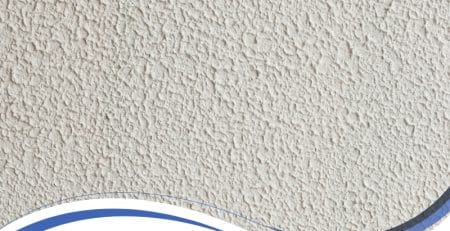
Your home’s exterior is far more than just a façade—it’s the frontline defence against the elements. When you choose exterior textured wall coatings, you’re adding a robust, engineered layer that improves durability, manages moisture and boosts insulation. This article explores the real advantages of textured wall finishes and how they safeguard your property in Sydney’s varied climate.
Why do exterior walls need extra protection?
Exterior walls need extra protection because they endure relentless exposure from sun, rain, salt air and temperature swings—leading to weakened surfaces if left alone. Sydney homes in particular face intense UV, coastal salt spray and summer storms that can wear away ordinary finishes:
-
UV exposure breaks down paint over time, leading to fading, surface chalking and reduced weather resistance in finishes.
-
Rain penetrates weak spots, entering cavities and creating moisture buildup, which causes rot and mould—a serious structural risk.
-
Coastal salt particles attract moisture, corroding exterior surfaces more quickly and causing visible surface deterioration.
-
Heat fluctuations cause expansion and contraction, forming fine cracks and accelerating premature deterioration in untreated wall materials.
Understanding these forces makes it clear why mere paint may not cut it for long‑term protection.
What happens when exterior walls are left uncoated?
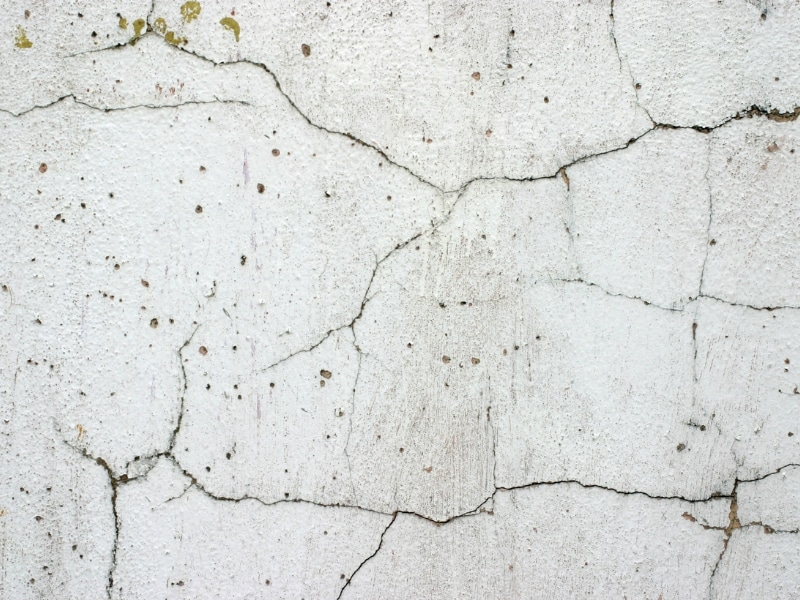
When walls go unprotected, the result is often concealed damage setting in over time that may not show until repair becomes necessary. Uncoated or poorly finished surfaces suffer escalating issues:
-
Fine surface cracks form and widen, allowing water to soak through and begin internal structural damage.
-
Trapped moisture under poor finishes causes blistering and peeling, creating unsightly, patchy exterior walls.
-
Dampness behind walls encourages mould and rot, driving up repair costs and reducing overall wall lifespan.
-
Thin paint films can’t endure extreme exposure, leading to faster degradation and higher ongoing maintenance costs.
Allowing walls to remain uncoated or under‑protected often translates into higher risks and bigger fixes down the track.
How do exterior textured wall coatings shield your home from the weather?
Textured coatings shield your home from weather by creating a resilient, flexible barrier that copes with UV, rain, wind and surface movement—rather than simply obscuring it. These systems are engineered for performance:
-
Thick coatings create a barrier that blocks moisture, offering enhanced protection against rain penetration and run‑off.
-
Flexible binders absorb movement in the surface, helping prevent cracks and the entry of damaging moisture.
-
UV-stabilised pigments resist sun damage, maintaining finish integrity and appearance for longer-lasting weather resistance.
-
The rough finish improves coating adhesion, reducing peel risk and extending the finish’s maintenance-free lifespan.
Beyond the coating itself, it’s also useful to be aware of how cladding and insulation support the system. Understanding how modern cladding systems improve wall insulation will help when you aim for a fully resilient exterior finish.
| Wall Finish Type | Relative Weather Resistance | Maintenance Frequency |
| Standard paint on render | Low | Every 5 years or less |
| Textured coating system | High | Every 10–15 years or more |
| Add insulation + textured coat | Very high | Minimal major repairs |
Can acrylic‑based coatings extend wall lifespan?
Acrylic‑based coatings can extend wall lifespan substantially when chosen and applied correctly—they offer flexibility, strong adhesion and good UV resistance compared with many standard paints. Here’s why they’re a wise choice:
-
Acrylics stay intact during temperature shifts, which helps reduce cracking risk and surface damage.
-
UV additives in acrylic slow fading and binder breakdown, supporting longer-lasting colour and protection.
-
Strong bonding with render and concrete prevents water ingress and helps maintain substrate condition.
-
Moisture resistance keeps internal layers dry, reducing decay and improving long-term wall durability.
If your walls are frequently exposed to rain or coastal humidity, it helps to weigh up the benefits of coating exterior walls against weather damage before deciding on a surface treatment.
Why are textured coatings better than standard paint?
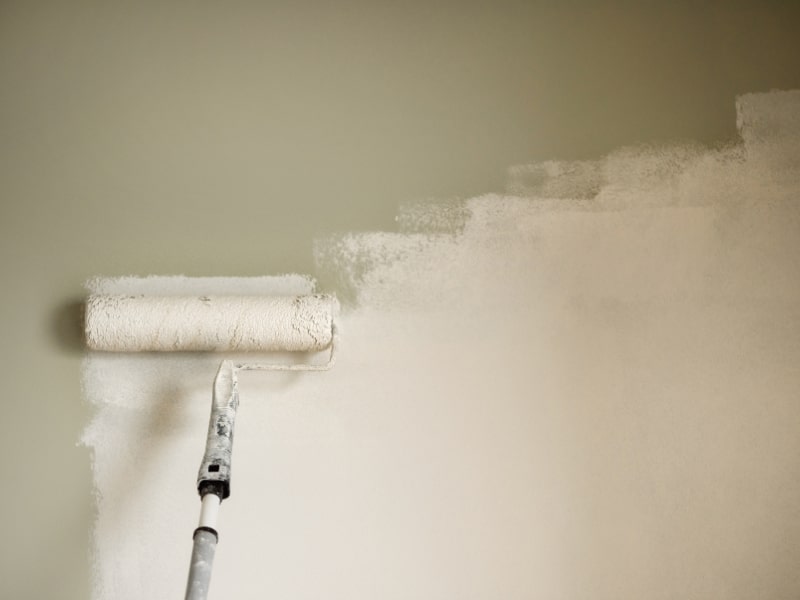
Textured coatings are better than standard paint because they are tailored to withstand exterior stress and deliver long‑term value rather than just a fresh look. They combine function and finish:
-
Thick-textured films resist impact and weathering more effectively, offering longer surface life than thin paints.
-
Pigment and binder technology improve colour stability and overall finish resistance.
-
Fewer recoats are needed, reducing labour and material costs and providing greater lifetime value.
-
Many textured systems are warranty-backed, unlike short-lived standard paint finishes.
If your home is exposed to unpredictable Sydney weather, now’s the time to consider a high-quality textured coating in Sydney that offers a more durable and long-lasting solution compared to regular paint.
Final thoughts on protecting homes with exterior textured wall coatings
The best protection for your home’s exterior comes from planning for the long term, not patching problems when they arise. Whether you live inland or near the coast, choosing durable materials now can help you avoid bigger issues later. For a tailored solution that works in Sydney’s unique climate, you can explore how Jims Rendering Sydney applies durable wall finishes suited to your home’s needs.