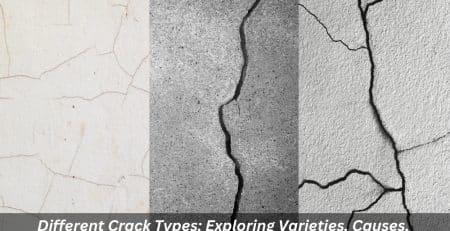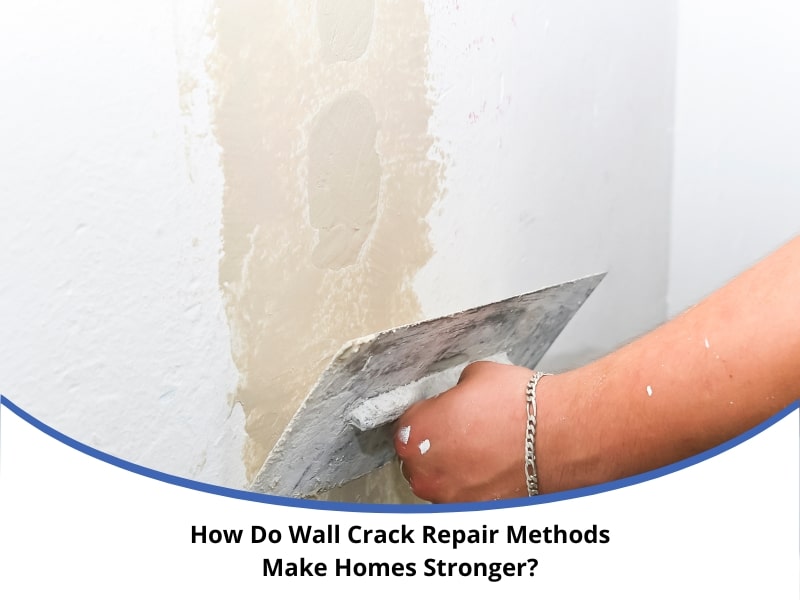
Wall crack repair methods make homes stronger by stopping movement and moisture at the source while rebuilding the wall system; using wall crack repair methods with flexible, breathable layers prevents repeat cracking and protects surfaces through wild weather. Hairlines and wider fractures behave differently, so innovative sequencing matters more than quick patching. Leave cracks “for later,” and they spread, stain, and start to bite the budget. Go beyond cosmetic fixes, diagnose the cause, then stabilise, render, and seal. After that, an annual inspection keeps everything shipshape and saves you headaches. This approach turns a nagging flaw into a durable upgrade that stands up to Aussie conditions and doesn’t give you grief after the first storm. This article explains practical options, where each method fits, and how to choose a sequence that’s good as gold.
Why do walls develop cracks even after rendering or repainting?
Cracks can return because the substrate still moves, or moisture keeps sneaking in. Thermal cycles, settlement, and poor detailing all add up. Preparation also matters; weak bonds fail once the sun sets. Here are the common causes:
- Thermal expansion and contraction: Repeated heating and cooling cause rigid coatings to split.
- Foundation settlement and vibration: Minor footing movement telegraphs as stair-step cracks in masonry.
- Moisture behind coatings: Damp substrates push salts, leading to blistering paint or render.
- Incompatible or thin coats: Skim layers without primer don’t flex or adhere well.
- Missing or failed joints: No control joint means the wall cracks where it wants to.
- Poor edge detailing: Leaky flashings and sills direct water into the wall face.
Wrapping up, movement and moisture sit behind most failures. Fix those first, and the finish will hold up, no dramas.
What are the most reliable wall crack repair methods for modern homes?
Reliable options depend on crack type, substrate, and expected movement. Hairlines suit flexible fillers and membrane paints. Wider or recurring cracks often need helical stitching before a flexible render and topcoat.
Here are the method comparisons:
| Method | Best for | Expected lifespan | Standout benefit | Watch-out |
| Flexible filler + membrane paint | Hairline, non-structural | 5–10 years | low mess, fast curing | May show lines if movement continues |
| Helical bars + epoxy/grout stitching | Recurrent or stepped cracks | 15+ years | Spreads the load across the crack | Higher upfront cost |
| Acrylic rendering system | Movement-prone walls, mixed substrates | 10–15 years | Breathable, flexible skin | Needs sound, dry base |
| Repointing (masonry) | Mortar joint cracking | 10–20 years | Restores joint integrity | Colour matching on the cards |
Here are the selection tips:
- Diagnose first: Confirm structural vs non-structural before choosing materials.
- Prioritise flexibility: Systems should accommodate seasonal movement.
- Match the substrate: AAC, brick, and FC sheet behave differently under load.
- Sequence for durability: Dry → stabilise → fill/stitch → render → seal.
- Plan maintenance: Quick inspections after heavy rain avoid surprises.
When comparing service-grade approaches, consider reliable wall-crack repair methods for modern rendered walls, referenced for sequencing and compatibility with primers, mesh, and membranes.
How do professional wall crack repair methods stop damage from spreading?
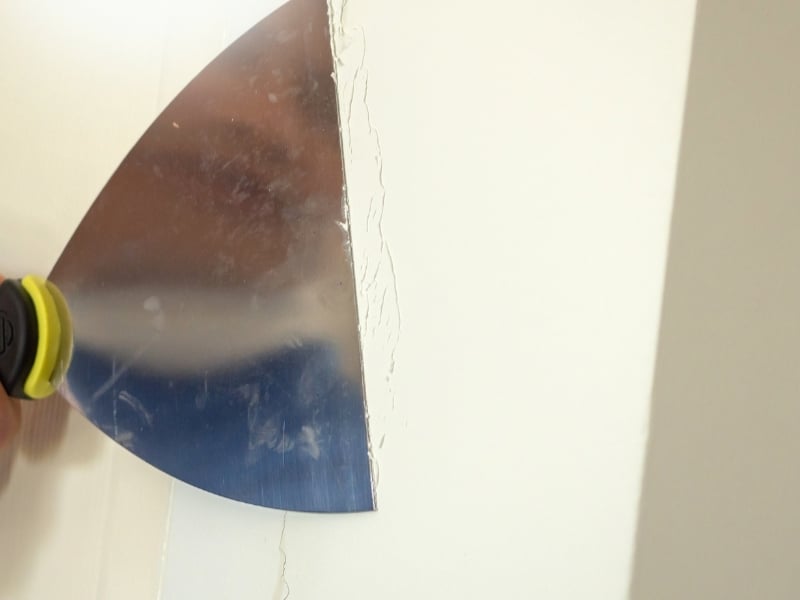
Professionals stop the spread by diverting the load and blocking the water. Structural stitching shares forces across a crack, while flexible layers allow harmless movement. Waterproof topcoats then keep rain out, even in a southerly buster. Here are the professional steps:
- Stabilise moisture: Fix drainage, dry the substrate, and repair flashings.
- Stitch or inject: Use helical bars or epoxy to restore continuity across cracks.
- Add movement strategy: Cut or renew control joints and detail perimeters.
- Build a flexible skin: Mesh-reinforced basecoat and acrylic render allow micro-movement.
- Seal high-risk points: Membrane coatings and UV-stable sealants close the door on water.
To handle minor issues early, follow the simple steps to repair wall cracks before they worsen, and triage before calling in heavier gear.
Can wall crack repair methods restore both strength and appearance?
They can, provided you address the cause and finish. Stitching and basecoats rebuild structure, while render and textures bring back kerb appeal. Colour-stable systems reduce future touch-ups and keep the façade tidy. Here are the strength and appearance factors:
- Structural continuity: Helical bars, mesh, and basecoat tie the area together.
- Uniform plane: Render levels, repair zones so textures read consistently.
- Breathable finish: Vapour escape reduces blistering and efflorescence.
- Texture and colour: Fine float or smooth finishes modernise older walls.
- Edge crispness: Clean lines arise at windows, and parapets sharpen the look.
Knowing how cement rendering improves home durability and appeal. Purely cosmetic patching can hide structural faults, so confirm the cause before chasing a slick finish.
How does acrylic rendering support stronger and longer-lasting repairs?
Acrylic systems flex with seasonal movement and let vapour out, so trapped moisture doesn’t cause blisters. They bond to varied substrates, making mixed renovations easier to unify. Here are the acrylic rendering advantages:
- Flex under stress: Elastomeric behaviour rides micro-movement without splitting.
- Vapour permeability: Breathes out moisture, reducing salt push-offs.
- Mesh compatibility: Reinforcing fabrics distribute stress across repaired zones.
- Fast turnaround: Quicker cure speeds reduce the weather-exposure window.
- Refinish friendly: Future repainting and texture updates are straightforward.
Acrylic works best over a stable, dry base. Expect longer maintenance cycles when you pair it with high-quality membranes and properly detailed joints. That approach keeps repairs looking good as gold through summers and cold snaps.
Are waterproof coatings and sealants necessary after crack repair?
They are essential to durability. Membrane paints bridge hairlines and stop wind-driven rain. Perimeter sealants around openings keep water out where movement is most active. Here are the post-repair protection essentials:
- Elastomeric membranes: Stretch across micro-cracks and shed rain.
- Penetrating sealers: Reduce absorption without trapping vapour.
- Perimeter sealants: UV-stable, paintable products suit exposed joints.
- Detailing upgrades: Sills, parapet caps, and flashings need correct falls.
- Inspection schedule: Seasonal checks catch wear before leaks start.
If workmanship concerns or persistent cracking arise, NSW guidance on complaints and rectification helps you navigate how to report building defects and wall crack issues in NSW homes. Address problems early, and prevention beats rework every day of the week.
Final thoughts on strengthening homes with expert wall crack repair
Sort moisture, stabilise structure, then install flexible, breathable finishes; that sequence cuts repeat cracks and keeps façades tidy. After repairs, plan quick seasonal inspections and small touch-ups, and the wall system will stay steady, no dramas. When comparing options or timing a project, learn how Jim’s Rendering Sydney ensures lasting wall crack repairs for a real second look that fits local conditions.