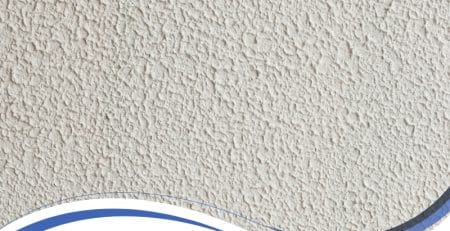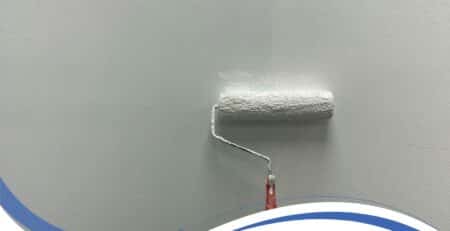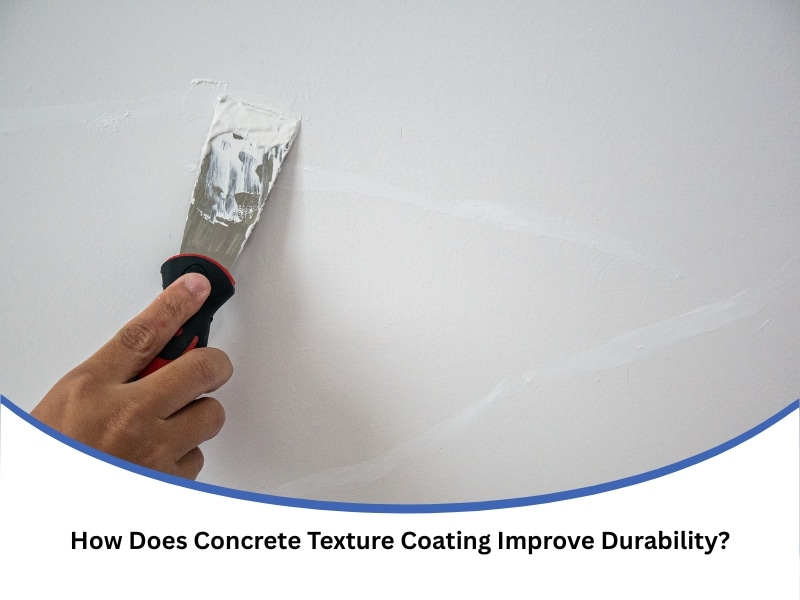
Concrete texture coating improves durability by creating a tougher, more weather‑resistant surface that handles exposure better than standard paint or plain render. Homeowners rely on concrete texture coating because it strengthens exterior walls, prevents moisture issues and reduces long‑term maintenance. It also offers a visually consistent finish that hides imperfections and increases surface resilience. This article explores why concrete texture coating has become one of the most reliable ways to protect and enhance exterior walls while helping avoid common issues caused by inferior finishes.
Why do homeowners search for concrete finish options?
Homeowners search for concrete finish options because they want something that performs better than ordinary paint or basic render, especially in harsh Australian conditions. A concrete finish provides durability, design flexibility and practical long‑term protection that lighter surface treatments can’t match. Here are the reasons a concrete finish stands out for many homes:
- It delivers strong surface resilience against heat, moisture and everyday wear that normal coatings struggle with.
- It lifts the home’s exterior appearance by adding texture that feels modern and visually balanced.
- It minimises upkeep, saving time and reducing the need for repeated repainting in tough climates.
- It helps cover small surface flaws, giving older homes a cleaner finish without major repairs.
Many homeowners also weigh cost versus longevity. A solid finish reduces cracking, fading and weathering, which means fewer patch‑ups over the years. These benefits make a textured concrete option a smart choice when aiming for both practicality and a neat exterior.
What problems arise when choosing the wrong texture render?
Choosing the wrong texture render can create several headaches because not all products suit every wall type, climate or level of exposure. A poor match can lead to expensive repairs, unintended structural issues and a surface that fails earlier than expected. Here are the common issues that appear when the wrong render is used:
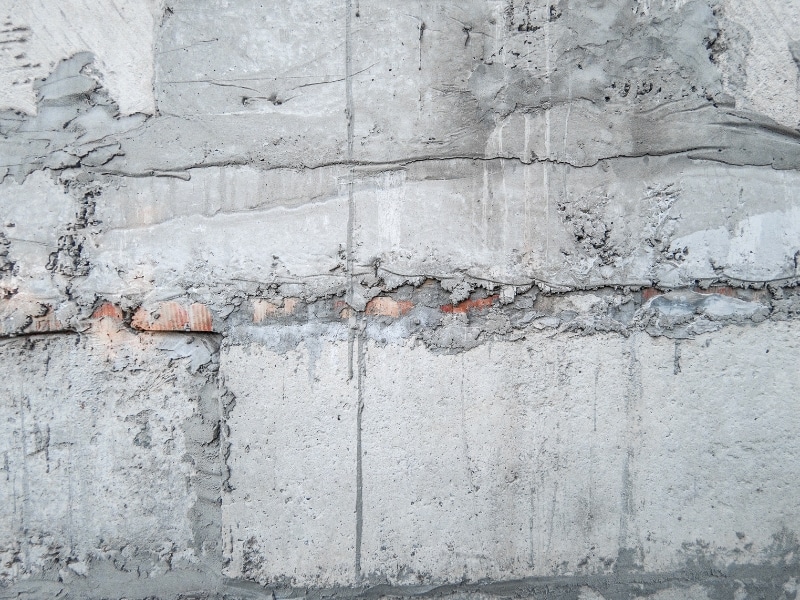
- Low‑grade render can crack from temperature changes, leaving visible lines that expand over time.
- Surfaces may develop damp spots if the render isn’t properly sealed or moisture‑resistant.
- Colour fading or patchiness can develop when mismatched materials react differently to sunlight.
- Inflexible render may chip or crumble on walls that naturally move or expand slightly.
Taking time to compare textures, finishes and durability ratings prevents many hassles. If you’re still weighing options, you might benefit from exploring approaches such as choosing a suitable render finish, which can help you avoid mismatched products that fail early.
How can a poor application cause rough wall texture?
Poor application practices often cause rough wall texture, and that undermines the performance and appearance of even high‑quality products. When the application is rushed or done without proper preparation, the final result can look uneven, patchy or prematurely worn. Here are the ways poor application leads to rough or inconsistent texture:
- Incorrect render mixing can leave behind clumps or grit that never fully smooth out.
- Uneven trowelling creates raised patches or shallow dips that show through once dry.
- Applying render to dusty, damp, or unprepared walls prevents the material from bonding properly.
- Layering coats too quickly traps moisture inside, interfering with texture and long‑term adhesion.
Poor preparation is one of the biggest culprits behind rough, flaky surfaces. Following approved methods for preparing walls before coating greatly lowers the chance of problems, giving your coating a stable base to sit on. These methods ensure better adhesion, longer durability and a more uniform texture across the entire surface.
Where can a texture coat application be used?
A texture coat application can be used across many parts of a property because it bonds well with various substrates and offers consistent protection. Its adaptability means it performs well where weathering, movement or moisture would normally break down weaker coatings. Here are the most common places where texture coating is applied:
- Full home exteriors, including brick, blockwork and pre‑rendered walls that need stronger protection.
- Retaining walls or boundary fences exposed to rain, irrigation or soil movement.
- Outdoor living areas, such as alfresco spaces or patios, are often exposed to constant sunlight.
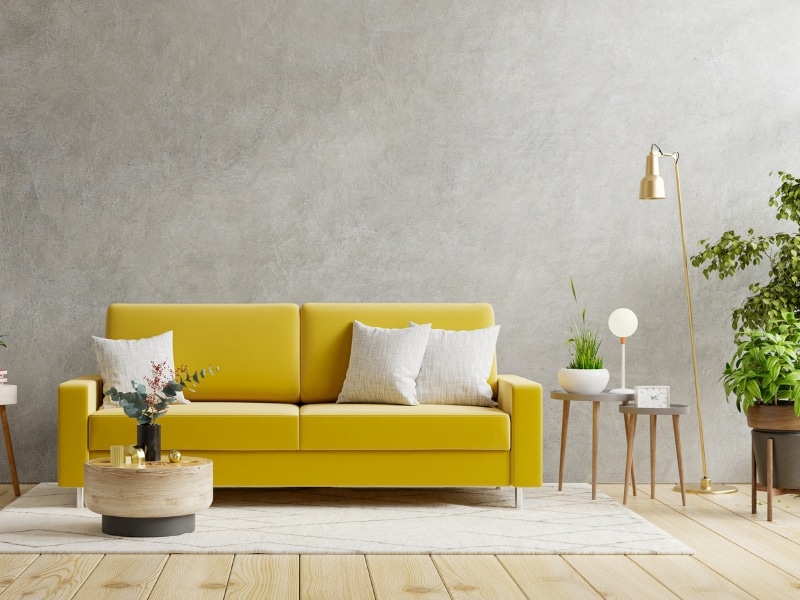
- Feature walls where a modern textured finish adds visual depth that paint alone can’t offer.
When applied correctly, texture coating strengthens these surfaces and reduces the need for constant upkeep. For longer protection and a cleaner finish, many homeowners choose a long‑lasting cement render application, which helps maintain structure and appearance over many years.
How do exterior wall coatings provide added protection?
Exterior wall coatings provide added protection by shielding surfaces from environmental wear, moisture penetration and UV damage. They also strengthen the wall’s surface, allowing it to cope better with shifting temperatures and physical movement. Here are the protective benefits provided by high‑quality exterior coatings:
- They enhance wall durability by reducing the impact of heavy rain, harsh sun and wind exposure.
- They cut down water absorption, helping prevent mould, damp or internal moisture problems.
- They resist surface cracking by flexing slightly with changing temperatures or building movement.
- They slow down structural wear from airborne pollution or coastal salt, extending the life of the render.
Comparison of Protective Features in Exterior Coatings
| Protection Type | What it Guards Against | Practical Benefit |
| Water resistance | Moisture, rain, humidity | Less risk of damp and internal damage |
| UV protection | Harsh sun, fading | Longer‑lasting colour and surface stability |
| Crack resistance | Heat expansion, movement | Better long‑term structural performance |
| Abrasion control | Dirt, dust, pollution | Cleaner walls with less upkeep |
These protective qualities surpass what standard paint can offer. When exposure levels are high or surfaces need more resilience, it helps to deepen your knowledge by understanding exterior wall coatings so you can choose the most suitable option for your home.
Final thoughts on choosing the right concrete texture coating
Choosing the right concrete texture coating strengthens your walls, boosts durability and maintains a clean, modern finish without constant repainting. It also shields your home from moisture, cracking and weather damage, helping the surface stay stable for years. When you’re weighing different coating types or considering surface repairs, trusted guidance from Jims Rendering Sydney can support you in making the most confident choice for your home’s exterior.