Texture Coating Sydney
By Jim’s Rendering Sydney • 15+ years local experience • Licensed & insured (where required)
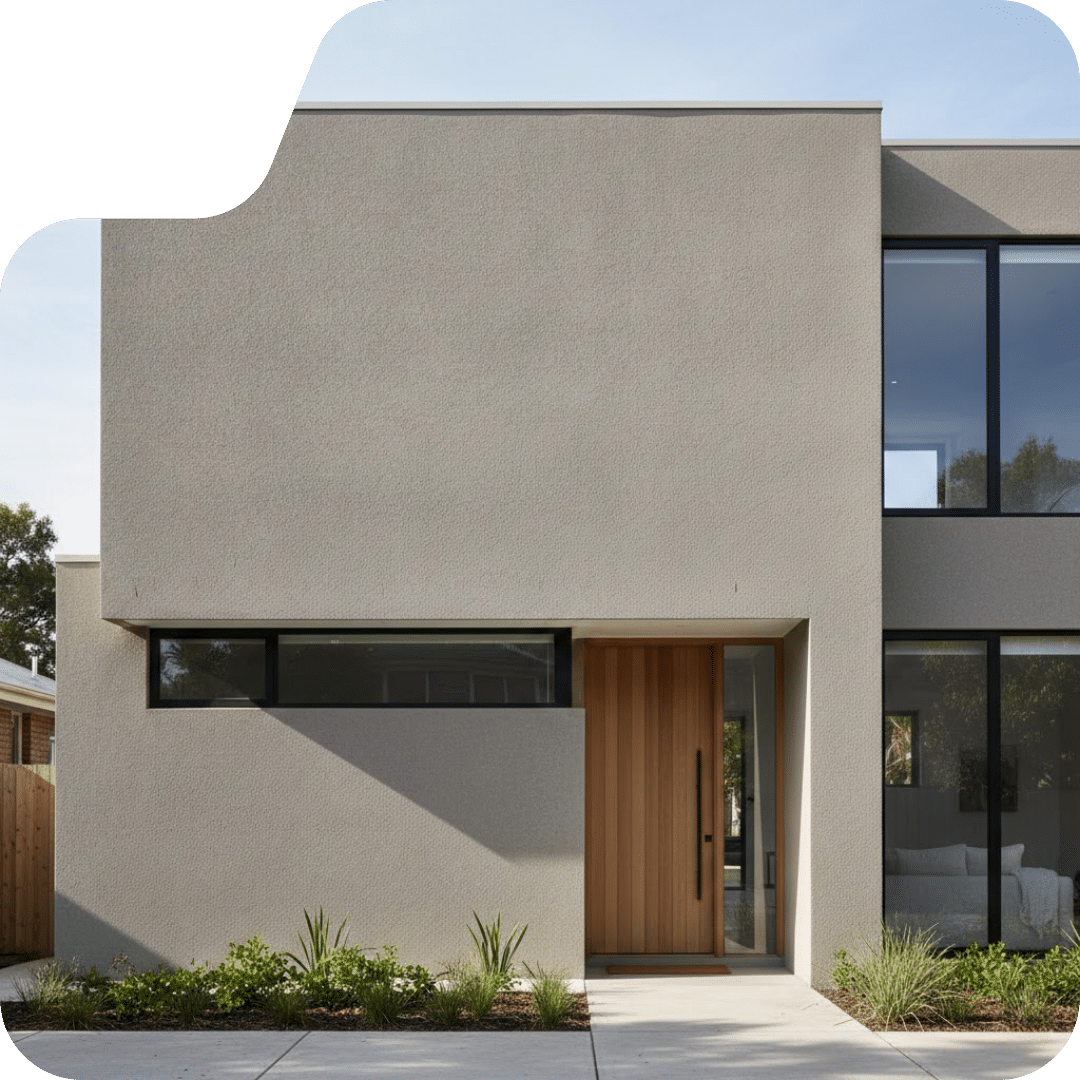
Texture coating is a durable, textured finish that helps protect exterior walls and lift the look of your place in one go. If you’re tired of faded paint, patchy walls, or small cracks telegraphing through every new coat, a properly prepared texture coating system can give you a cleaner, more consistent finish that’s made for Sydney’s weather swings.
Not for you if… you want a “spray and go” job with no prep, you need it done tomorrow with no access planning, or the wall has structural movement that hasn’t been addressed yet.
Get A Free Quote

The work behind a lasting textured finish
When you book our Texture Coating Services, you’re not just paying for “a new look”. You’re paying for a system—inspection, preparation, application, and a finish that’s chosen for your wall type and the outcome you want.
Here’s what’s typically included in a Sydney texture coating job:
Here’s what you can expect when you book our cement rendering services in Sydney:
If you’re deciding between texture coating and rendering, it helps to know the difference. Texture coating is the finish layer; rendering is often the base that levels and prepares the wall. If you’re weighing up systems, see our guide to Acrylic rendering as a comparison point.
What you get at the end: a consistent textured finish that improves curb appeal, hides minor imperfections better than standard paint, and reduces the “every few years repaint” cycle when the wall is properly prepared and maintained.
Most failed “coating” jobs fail because the surface wasn’t ready—not because the finish product was wrong. If you’re seeing any of the below, it’s a sign you need prep (and possibly repairs) before coating.
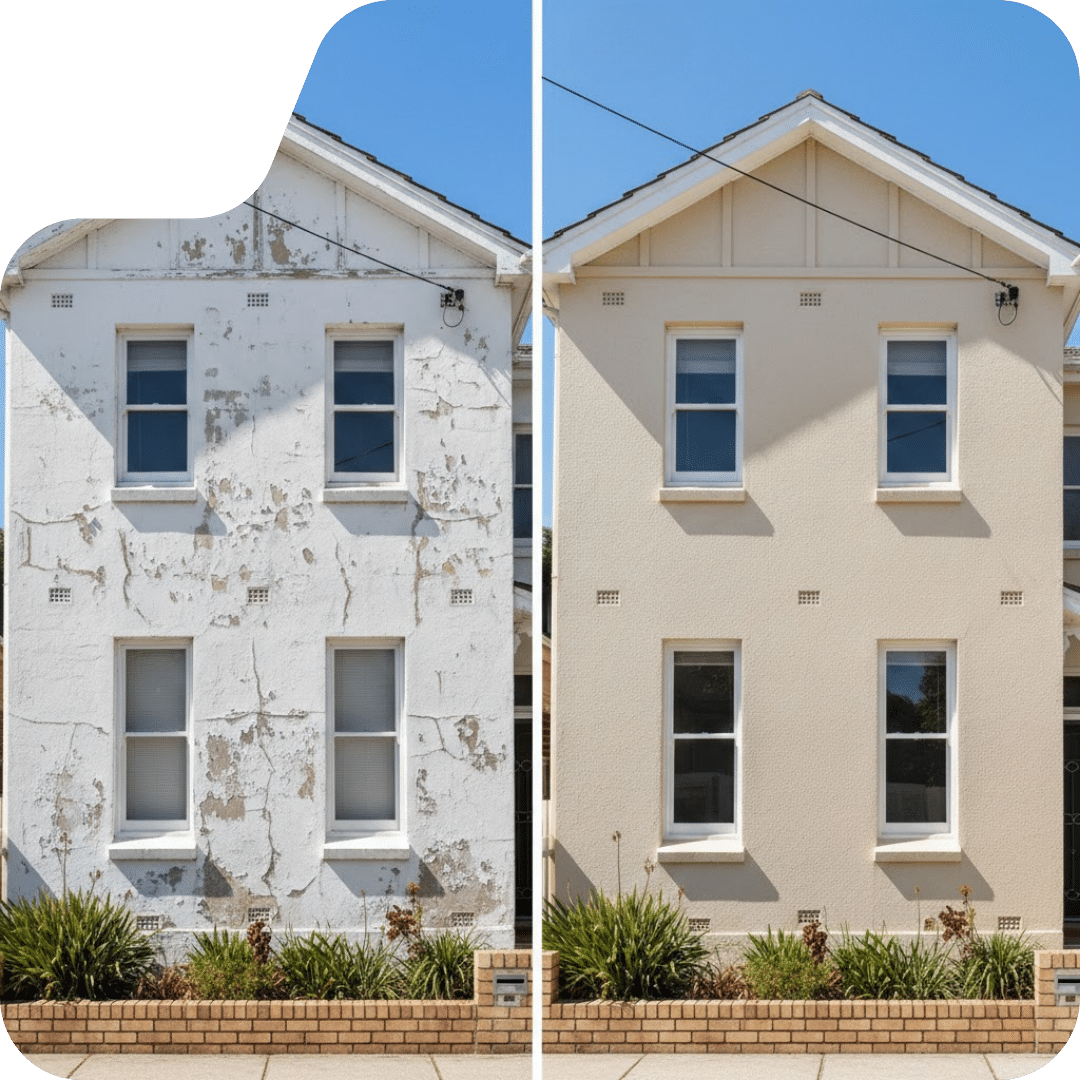
Situations where texture coating works well
Texture coating Sydney homeowners choose is usually about one (or more) of these goals:
You want a better-looking exterior without rebuilding the facade. A textured finish can modernise older brick or tired rendered walls and make the whole home look more “finished”.
You want something more forgiving than paint. Texture can disguise minor surface variation and previous patchwork better than a flat paint film.
You’re dealing with harsh exposure. If your walls cop full sun, driving rain, or salty air, a quality coating system and the right prep can reduce flaking and chalking issues.
You want a clearer plan and a fixed quote. An on-site look lets us call out access needs, prep requirements, and the most practical finish options—so you’re not guessing from photos.
Early warning signs on exterior walls
Most failed “coating” jobs fail because the surface wasn’t ready—not because the finish product was wrong. If you’re seeing any of the below, it’s a sign you need prep (and possibly repairs) before coating.
If the wall is cracking due to movement, coating over it won’t “solve” the cause. In those cases, we’ll usually recommend addressing the underlying issues first and then finishing the wall. If you want to understand your options, start with Wall crack repairs so the finish you pay for has a fair shot at lasting.
A Sydney reality check: sun bakes one side of the house, rain hits another, and expansion/contraction is constant. The right system helps—prep is what makes it reliable.
How the job runs from start to finish
A good texture coating job is repeatable and boring (in the best way). Here’s how we run it so you know what’s happening and when.
1. Site visit + scope confirmation
We check wall condition, existing coatings, access, and the finish style you’re after. You’ll get clarity on what’s included, what isn’t, and what will impact price.
2. Preparation and protection
We protect adjacent areas, mask where needed, and prepare surfaces properly—cleaning, removing loose material, and getting the wall ready for adhesion. If the wall needs base work first, we’ll explain whether Cement rendering (or another base) is required before the finish coat.
3. Repairs + priming/sealing
Cracks and defects are treated according to what they are (cosmetic vs movement-related). Then we use the appropriate primer/sealer for the substrate.
4. Texture coating application
We apply the selected system to the agreed finish—keeping coverage consistent and working to clean lines around edges and details.
5. Final check + tidy up
We walk through the job, check detailing, and leave the site clean. If any touch-ups are needed, we sort them before sign-off.
After-hours work: If access or neighbour considerations make it easier, we can cater for after-hours scheduling where practical (and where conditions allow the product to perform properly).
Where we work across Sydney
We service Sydney wide, and we’ll confirm availability when we inspect the job.
Typical starting windows depend on weather, access (scaffolding/height work), and how much prep is required. If timing matters, tell us upfront—there’s often a practical way to stage work and keep things moving.
Examples of areas we commonly work in include Parramatta, Liverpool, and Penrith.
How to compare quotes properly
If you’re comparing quotes, here’s what to look at so you’re not comparing apples with oranges.
If your project is a full facade refresh (not just a finish coat), it may help to look at House rendering so you can decide whether you need base work, a finish coat, or both.
Helpful resources
If you like to double-check the “rules of the road” (fair enough), these are useful references for homeowners and building work expectations:
NSW Guide to Standards and Tolerances
National Construction Code (NCC)
SafeWork NSW: Working at heights
On-site reading if you’re deciding between finishes:
Questions homeowners often ask
Texture coating is typically thicker than paint and is applied as a system (prep + primer + texture finish). It’s designed to create a textured surface that can better disguise minor imperfections and handle exterior exposure. The key difference is that performance depends heavily on preparation and correct application, not just the topcoat.
A well-prepared and properly applied texture coating system can last many years, but the real answer depends on exposure (sun/rain/salt), wall condition, and maintenance. If the wall has moisture issues or ongoing movement, lifespan drops. We’ll talk you through realistic expectations during the site visit.
Sometimes, yes—but only when the existing paint is sound, clean, and properly prepared for adhesion. If paint is peeling, chalky, or contaminated, it usually needs more prep or removal first. The right approach depends on what’s already on the wall and how well it’s bonded.
Not always. If the wall is already rendered and in good condition, you may only need repairs, priming, and the finish coat. If the wall is uneven, damaged, or missing a suitable base, rendering may be required first so the finish looks consistent.
Most homeowners choose between a cleaner modern texture and a more traditional heavier texture. The “best” choice is the one that suits your wall type, architecture, and tolerance for showing (or hiding) minor imperfections. We’ll show you options that match the look you’re chasing.
Costs vary depending on wall area, access, preparation requirements, repairs, and the finish you choose. The most accurate way to price it is an on-site inspection, then a fixed quote based on the real scope—so you’re not hit with surprises later.
Small areas can be completed quickly, but most full exterior jobs take longer because prep and curing matter. Weather also affects timing. Once we inspect the job, we’ll give you a realistic timeframe based on access and wall condition.
It can reduce the appearance of minor surface imperfections, but it won’t fix structural movement. If cracks are active, they’ll usually reappear unless the cause is addressed. That’s why crack assessment and prep are part of the process.
We can, depending on the surface, room use, and the finish you want. Interiors have different prep and protection requirements (and different expectations for smoothness), so we’ll confirm suitability during the site visit.
Yes—where it genuinely helps access, neighbour impact, or site coordination. We’ll also factor in weather and product requirements so after-hours scheduling doesn’t compromise the finish.
The standard we work to
Prep-first, not “product-first”. The most expensive coating in the world won’t stick to a dirty, chalky, flaking surface. We put the time into preparation because that’s what protects your investment.
Clear scope and straight talk. You’ll know what’s included, what’s excluded, and what would change the price before the job starts.
Finish guidance that suits your wall and your home. We’ll recommend finishes that work with your substrate and the look you’re going for—without overcomplicating it.
Options beyond just texture coating. If your project needs base work or a broader facelift, we can advise on the most practical path forward. In some cases, it may be worth considering Polystyrene cladding installation as part of a wider exterior upgrade (only if it suits the build and goals).
Sydney scheduling realities. We plan around weather and access so you don’t end up with a rushed job that looks good for one summer and then starts failing.