Wall Crack Repairs Sydney
Sydney-wide wall crack repairs by Jim’s Rendering Sydney — assessment first, then a repair method that suits your wall type and the reason it cracked.
If you’ve noticed cracks in brickwork, plaster, or rendered walls, you’re not alone. Some are cosmetic, some point to movement or moisture. We’ll inspect the crack pattern, check likely causes, and repair the area so it’s ready to paint and built to last in Sydney conditions.
Not for you if… you only want a quick patch over an active crack (it’ll usually come back), or you need a structural engineer report today (we can still guide you on the next step).
Get A Free Quote

What the repair scope actually covers
You get a repair plan that matches the wall material and the cause — not a one-size-fits-all filler job.
What we typically include:
What we don’t do (unless explicitly quoted):
If you’re weighing up whether the repair should be finished in cement render, a flexible acrylic system, or a more robust coating, these pages help you compare:
When wall crack repairs are the right move
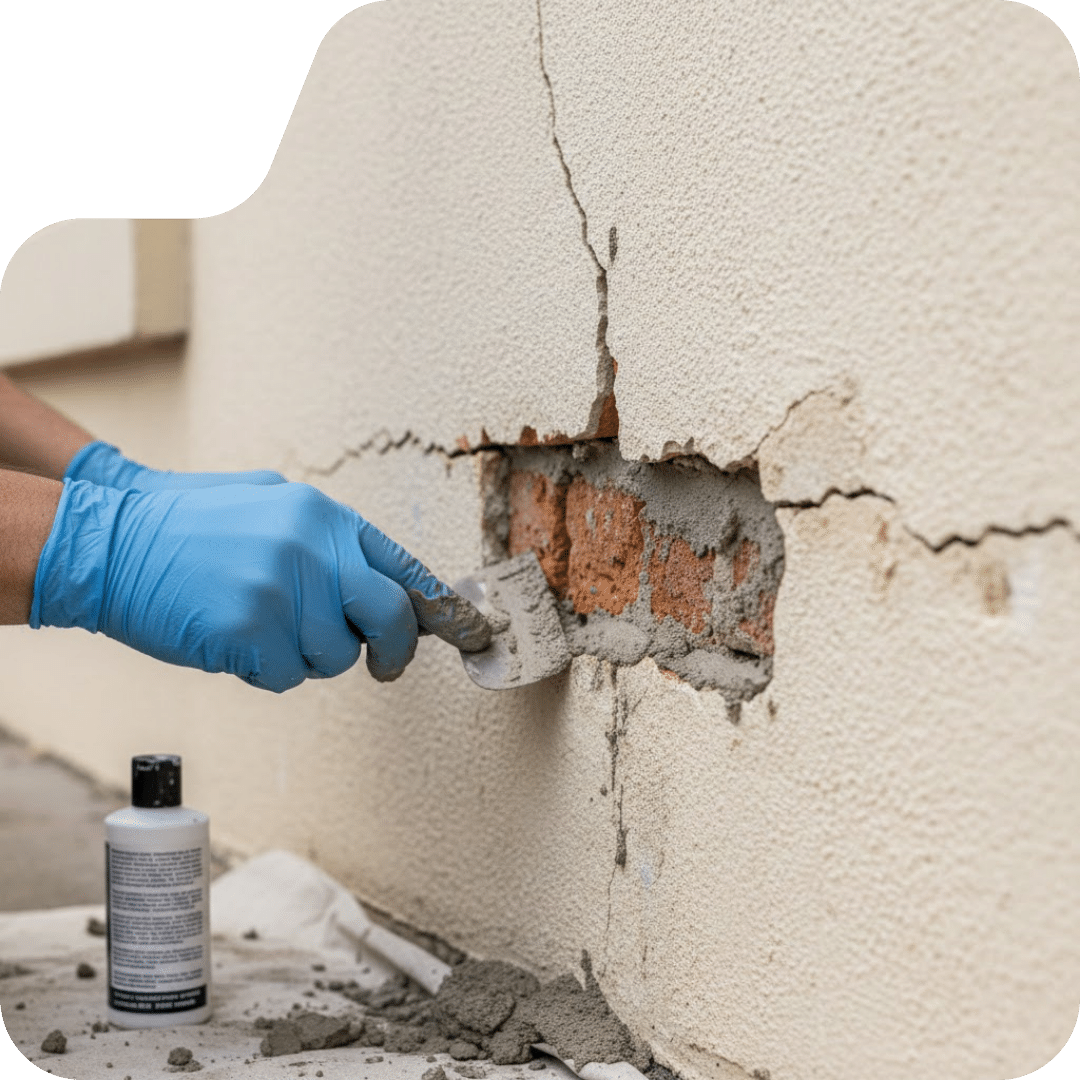
Wall crack repairs are a good fit when:
If you’re not sure whether it’s “just cosmetic”, that’s exactly what the inspection is for. We’ll talk you through what we see in plain English.
What we aim to achieve with repairs
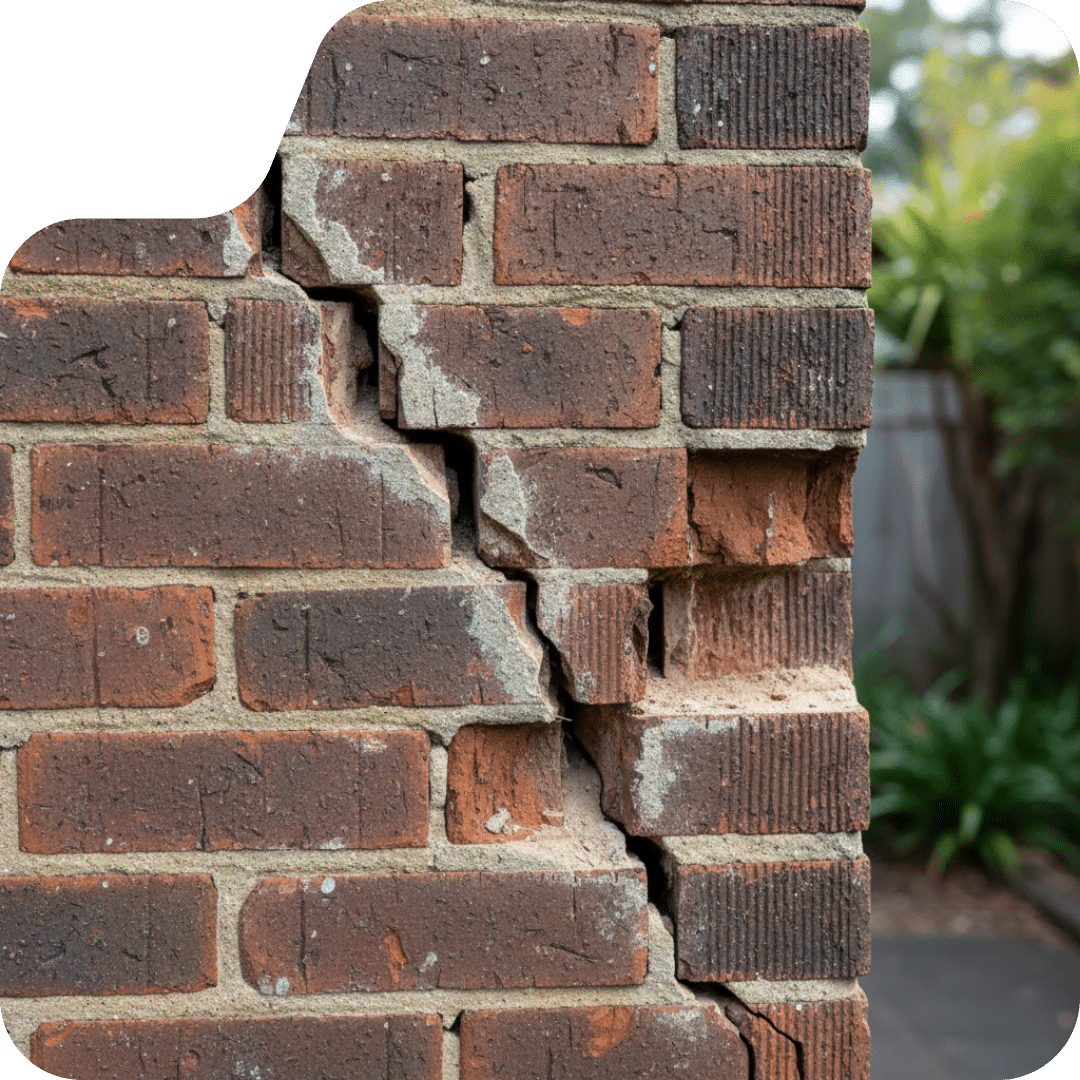
Cracks often tell you what kind of stress the wall is under. Here are common patterns we see around Sydney, and what we aim to achieve with the repair.
If you want a quick explainer on crack patterns (handy before you book), these are worth a look:
And if your issue is mainly cracked render, this guide is a solid starting point:
How the repair process runs
1. Book a time that suits you
(including after-hours where needed) and tell us what you’ve noticed — when it started, and whether it’s changing.
2. On-site inspection
to check crack pattern, wall type, nearby moisture/drainage clues, and any signs of movement.
3. Explain the options
in plain language: what’s likely causing it, what we recommend, and what a “minimal vs best-practice” repair looks like.
4. Fixed quote on-site + Prepare and repair
so you can decide with clear numbers and scope. with the right materials for the substrate (plaster, brick, render, concrete), including reinforcement if the crack calls for it.
5. Refinish for appearance and durability
so the repair is paint-ready and visually consistent.
5. Aftercare and monitoring tips
especially if movement or moisture was part of the story.
Things to check before you book
Not all crack repairs are equal. If you’re comparing providers, here’s what separates a repair that lasts from one that looks good for a month and then reopens.
Questions worth asking
If brick cracking is part of your job, this breakdown is helpful for understanding material choices:
Material options for brick cracks
Further reading and guidance
Questions homeowners usually ask
If it’s widening, reappearing after repairs, running diagonally from doors/windows, or forming a stepped pattern in brickwork, treat it as higher priority. Take photos, measure the width, and note whether it changes after heavy rain or hot spells. If in doubt, book an inspection so you’re not guessing.
Yes. Older homes often crack due to movement over time, older materials, or moisture getting into finishes. The key is choosing repair materials that suit the wall type, and reinforcing where needed so the crack doesn’t just print back through your paint.
Often, yes — depending on what’s driving the crack. Many brick cracks can be repaired with the right prep, compatible mortars, and reinforcement techniques where appropriate. If the wall is actively moving, we’ll explain whether repairs should be paired with other steps before cosmetic finishing.
Usually one of three things: the wall is still moving, moisture is still getting in, or the previous repair material didn’t match the substrate (too rigid or poorly bonded). A proper inspection focuses on the cause first, then the repair system.
We can cater for after-hours in urgent situations. The easiest way is to contact us with your suburb, photos, and what’s happening (is it spreading, is there water ingress, is anything unsafe). We’ll let you know the fastest practical option.
Cost depends on wall type (plaster/brick/render), crack size and location, access, and the finish required. The most accurate approach is a site visit and a fixed quote. If you’re trying to budget, we can talk you through the main cost drivers during booking.
Some small repairs can be completed in a few hours, while bigger repairs may take a day or two — especially if multiple coats, reinforcement, or curing time is involved. We’ll give you a realistic timeframe after inspection, based on the wall and the finish you want.
For tiny cosmetic hairlines, DIY can be okay if you prep properly and use compatible products. If the crack is recurring, wider, or tied to movement/moisture, DIY often becomes a repeat job. If you want it sorted properly (and paint-ready), an on-site assessment usually saves money in the long run.
Yes. Exterior cracks need extra attention because they’re exposed to weather and can let water in. We focus on stabilising the area, repairing the crack correctly, and finishing with a system that suits Sydney exposure and the wall material.
If you can, clear access to the crack, take a few photos (wide shot + close-up), and note anything that changed recently (heavy rain, renovations, stuck doors/windows). Don’t worry if you’re unsure — we’ll guide you through it.
What clients value about our approach
You want two things: the crack fixed properly, and the wall to look good again. That’s what we focus on.