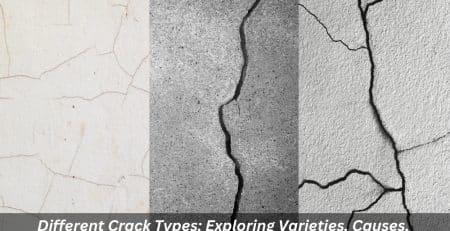
Materials that truly work are matched to the crack’s cause, using structural stitching for stepped failures, flexible sealants for live movement, breathable mortars for heritage joints, and protective renders for brutal weather exposure. You’re dealing with more than an eyesore; a crack in brick wall signals movement, moisture, or both. A durable fix blends diagnosis, compatible materials, and tidy detailing, so the line doesn’t wander back after the next hot northerly. This article explains the triggers, compares professional repair systems, and shows how cement and acrylic finishes lock in a long-lasting result without turning your façade into a dog’s breakfast.
Why does a crack in brick wall often appear even after previous repairs?
Short-term patches often fail because the wall keeps moving or the repair material is mismatched. Movement, moisture, preparation, and curing all decide whether a fix holds or splits again. Here are the causes:
- Substrate movement: Footing settlement, lintel rust, or vibration keeps reopening joints; likely to recur without reinforcement.
- Moisture cycling: Trapped damp and salts push from behind, causing flaking; high risk of blistering under paint.
- Material mismatch: Rigid compounds over flexible substrates shear under stress and detach.
- Poor preparation: Dusty faces and shallow routing prevent a solid bond, leading to quick failure.
- Rushed curing: Sun, wind, or early painting can weaken the patch and invite hairlines.
When those factors stack up, even a neat repair can fail by autumn. Accurate diagnosis, methodical prep, and movement-friendly materials turn the tide. For a broader, prevention-minded walkthrough, focus on smart ways to repair wall cracks and prevent further damage. A measured process beats quick fixes every day of the week.
How do weather and structural shifts lead to a crack in brick wall?
Heatwaves and cool changes push façades to expand and contract. Structural loads and shifts in soil moisture add more strain. Over time, differential movement translates into visible cracking. Here are the weather and movement factors:
- Thermal gradients: Sun-exposed walls move more than shaded returns and corners; greater stress at corners.
- Wet–dry soil cycles: Expansive clays swell in rain and shrink in prolonged dry spells, nudging footings.
- Lintel corrosion: Rusting steel swells and jacks courses apart, often above openings.
- Traffic and vibration: Nearby roads or works transmit micro-shocks through masonry, loosening joints.
- Tree influence: Roots alter soil moisture and drive seasonal movement around foundations.
Mapping the crack pattern helps identify the driver. Vertical, diagonal, or stepped lines point to different causes. With that mapped, the job shifts from guesswork to targeted repair, saving time and coin.
Can leaving a crack in brick wall unrepaired affect your home’s strength and value?
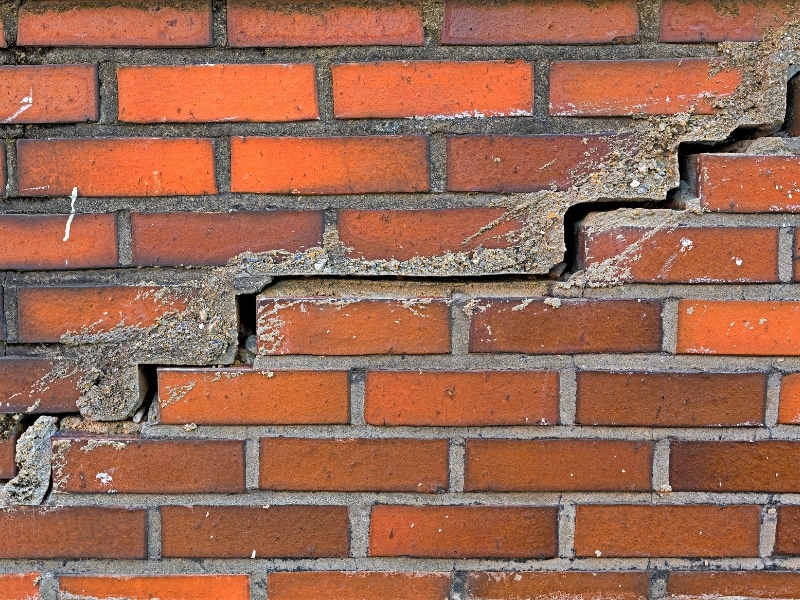
Unrepaired cracks can compromise durability, let water and pests in, and hurt valuation. Even hairlines matter if they align with openings or carry moisture. Here are the risks:
- Water ingress: Damp corrodes steel and weakens surrounding brickwork; accelerates hidden structural damage.
- Salt migration: Efflorescence stains and undermines surface bonds on bricks and render.
- Energy leakage: Air movement through gaps increases heating and cooling costs year-round.
- Pest access: Ants and wasps exploit gaps and can widen them over time.
- Valuation concerns: Visible cracking flags maintenance issues in reports and appraisals.
Balanced choices also consider sustainability and performance. For objective material guidance, explore and learn more about sustainable brickwork and blockwork materials. It supports decisions that solve today’s defect while respecting tomorrow’s durability. Left unchecked, minor lines can snowball, so early action is smart.
What are the best methods for repairing a crack in a brick wall professionally?
Crack type, wall movement, and exposure dictate the method. Professionals combine routing, stitching, compatible mortars, and protective coatings to keep repairs stable. Here are the comparative methods:
| Method | Best for | Typical lifespan | Key pros | Key cautions |
| Epoxy injection | Static hairlines in units | 10–20 yrs | Bonds fractured brick internally | Needs dry substrate; shelter from UV during cure |
| Polyurethane sealant | Live, thin joints | 7–15 yrs | Flexible and paintable | Low structural capacity; relies on joint design |
| Lime mortar repointing | Soft, heritage joints | 20+ yrs | Breathable and compatible | Slower cure; skilled application needed |
| Helical bar stitching + grout | Stepped cracks across courses | 20+ yrs | Redistributes the load across the wall | Cutting chases and precise spacing are required |
| Cement render build-up | Blending and shielding repaired zones | 15–25 yrs | Durable façade reset | Can trap moisture if mis-specified |
| Elastomeric/acrylic membranes | UV-exposed façades | 12–20 yrs | Adds flexibility and weatherproofing | Needs system-matched primers and adequate DFT |
Here are the professional steps:
- Diagnose first: Identify static versus live movement, and check moisture with meters.
- Prepare correctly: Route to a “V”, remove dust, and prime to suit porosity; best results with staged curing.
- Reinforce when needed: Stitch stepped cracks with helical bars and grout at specified spacing.
- Seal movement joints: Size and backer-rod for optimal sealant performance and paintability.
- Protect and finish: Cure fully, then coat with compatible, flexible systems for UV and rain.
When safety, prep, and finishing matter, align the method with accredited practice, such as Reliable approaches to safely fix a crack in brick wall. A disciplined sequence prevents re-cracking and keeps the façade tidy. Proper documentation also helps when insurers or valuers come knocking.
How does cement rendering help restore and strengthen cracked walls?
Cement render unifies the surface, shields repaired brickwork, and allows reinforcement mesh to bridge minor movement. Used with control joints and breathable layers, it reduces telegraphing. Here are the rendering benefits and cautions:
- Surface consolidation: Base coats tie-patched zones into a single plane for a consistent finish.
- Mesh reinforcement: Alkali-resistant mesh helps distribute stress across previously cracked areas.
- Moisture management: Permeable mixes reduce blistering on damp walls and help them dry more quickly.
- Detail discipline: Don’t bury weep holes; align joints with known movement lines.
- Finish options: Sponge-float, trowel-smooth, or textured to disguise past defects without fuss.
Rendering also boosts street appeal when paired with compatible topcoats. For ideas that combine strength with visual lift, consider how cement rendering can transform any home exterior. With proper curing and joint placement, render adds resilience without masking problems that still need to be solved.
Which acrylic rendering finishes prevent future wall cracks?
Acrylic-modified systems add elasticity and UV toughness. They stretch slightly, so minor movement doesn’t print through, and they seal against wind-driven rain. Here are the acrylic finish tips:
- Use system primers: Acrylic or hybrid primers lock onto chalky masonry and stabilise surfaces.
- Choose elastomeric topcoats: Membranes bridge hairlines and resist weather for years; improved crack-bridging performance.
- Build film properly: Two full coats at the right DFT beat one heavy pass and reduce pinholes.
- Control heat loads: Higher-LRV colours reduce thermal stress across the day.
- Maintain joints: Re-seal perimeter joints on a sensible schedule to protect edges.
These finishes shine when the substrate is sound and dry. Handle transitions at openings and material changes with joint design, not wishful thinking. Routine inspection and gentle cleaning keep the system performing through Sydney’s fickle seasons.
Final thoughts
Durable outcomes start with diagnosis, then move through preparation, reinforcement, sealing, and finishing in that order. Materials should suit the crack type and the wall’s moisture behaviour, not the other way round. Protective renders and acrylic membranes seal the deal, provided joints are detailed at the points where the building moves. For a tidy next step that respects structure and finish in one go, explore how Jim’s Rendering Sydney ensures seamless wall crack restoration.