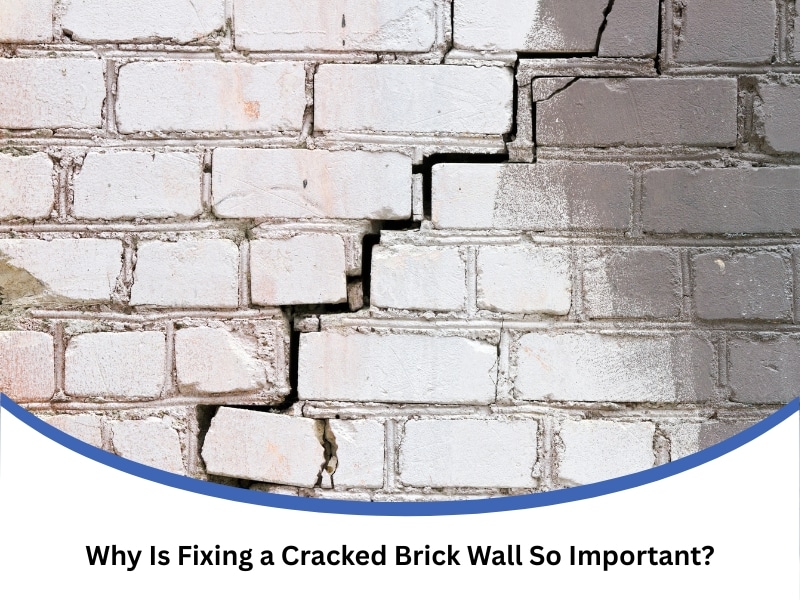
When cracks appear in your brick walls, it’s easy to shrug them off as cosmetic. But behind every fracture could be a deeper problem. Cracks may hint at shifting foundations, water damage or, worse, structural instability. Overlooking early signs can turn a simple patch-up job into a much bigger fix. Acting quickly helps you avoid unnecessary costs, stress, and safety risks. This article explores the reasons fixing a cracked brick wall matters more than you might think.
What are the common signs of wall damage in bricks?
It’s not always easy to tell if a crack is harmless or serious. Some show up gradually, others seem to split overnight. Recognising early warning signs helps you act before things go pear-shaped.
- Stair-step cracks following mortar lines often suggest foundation movement.
- Cracks wider than 5mm may point to more serious structural issues.
- Discolouration near cracks might indicate moisture seepage.
- Vertical cracks near corners could mean shifting soil or uneven settling.
These symptoms can develop from things like ground movement, poor construction, or water damage. Ignoring them might seem harmless at first, but brick walls don’t crack for no reason. Something’s always driving the damage, and it’s not likely to resolve itself.
Could an ignored crack lead to worse structural issues?
Yes, and faster than you’d think. Small cracks left unaddressed can snowball into dangerous problems. That faint line in the brickwork may be the first clue of a deeper issue brewing inside your walls.
- Water can enter cracks, weakening mortar and encouraging mould or decay.
- Seasonal changes expand and contract cracks, making them worse.
- Weakened brickwork reduces the load-bearing strength of your wall.
- Pests can sneak into cracks, damaging insulation and wiring.
Over time, even a hairline fracture can lead to chunks of the wall breaking away. That’s when safety and resale value take a hit. These problems don’t just cost money – they rob you of peace of mind.
What happens if you delay fixing a cracked brick wall?
Putting off repairs might seem like a money-saver, but you’ll pay for it later. Wall damage doesn’t freeze in time. It evolves, often quietly, until one day you’re left with a major repair bill or worse, a safety hazard.
- Cracks can cause internal water leaks, which may lead to rising damp and timber rot. When cracks extend into interior surfaces, they can also trigger paint damage — understanding the ways to prevent paint from peeling on interior surfaces helps you protect both the appearance and structural integrity of your walls.
- Insurance may exclude coverage for damage caused by long-term neglect or delayed repairs.
- Unstable foundations often cause misaligned doors and jammed windows throughout the home.
- Ageing materials in older homes increase the risk of structural and surface issues.
Even worse, dodgy DIY fixes or patch jobs only hide the symptoms. They don’t solve the cause. For homeowners who want lasting peace of mind, it’s smarter to explore effective methods for fixing a cracked brick wall professionally, before damage gets out of hand.
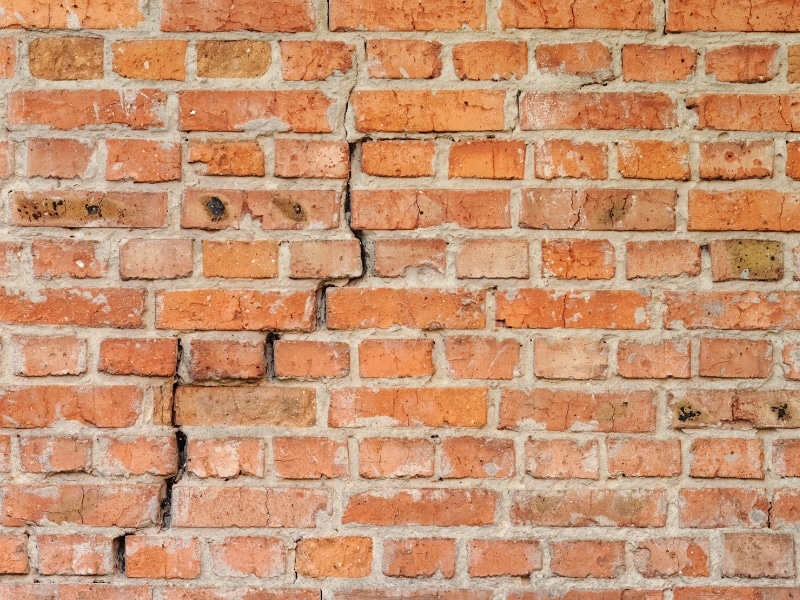
How does fixing a cracked brick wall improve home safety?
Repairing cracks isn’t just a cosmetic move — it safeguards your home’s structure and your family’s well-being. A stable wall can handle load stress, weather, and the test of time. A cracked one? Not so much.
- Sealing gaps prevents water entry and mould formation.
- Reinforced bricks support better load distribution across the structure.
- Eliminating entry points keeps pests and insects out.
- Professionally fixed cracks reduce the risk during storms or quakes.
Failing to address compromised brickwork can put your safety at risk, especially in homes with multiple storeys or brick fences. Safety starts with solid walls, and there’s no shortcut for getting that right.
| Type of Crack | Likely Cause | Risk Level | Recommended Action |
| Stair-step cracks | Foundation movement | High | Structural assessment + repair |
| Vertical cracks | Soil movement or shrinkage | Moderate | Monitor and fill professionally |
| Horizontal cracks | Pressure from soil/water | Severe | Reinforcement or rebuild |
| Hairline cracks | Minor settling or ageing | Low | Seal and observe |
What’s the safest method for fixing a cracked brick wall?
You want the job done once and done right. Rushed or low-cost repairs might patch a crack, but they won’t stop it from coming back. Professionals will continually assess the root cause first, then treat it appropriately.
- Structural engineers evaluate movement and provide a repair strategy.
- Epoxy injections and wall stitching reinforce internal strength.
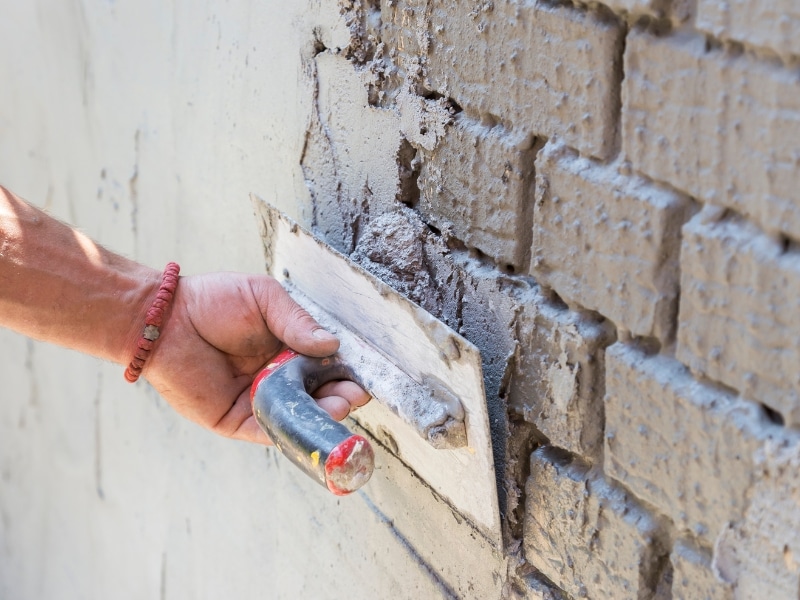
- Mortar repointing replaces damaged joints with fresh, secure mortar.
- Sealing finishes protect the wall from moisture and erosion.
These methods do more than make your wall look pretty. They make your wall stronger than before. And when done correctly, they go a long way towards reducing the risk of cracks returning by preventing wall cracks from reappearing after repairs, saving you future costs and worry.
What should you avoid when dealing with damaged brick walls?
Quick fixes and shortcuts are where things often go south. A cracked brick wall might look straightforward, but treating it wrong could create new issues or make old ones worse.
- Avoid using generic filler products from hardware stores — they often fail in Aussie conditions.
- Don’t patch over cracks without finding out what caused them.
- Never ignore signs of recurring movement like reopened cracks.
- Skip unlicensed trades — if they don’t assess the structure, it’s not a real fix.
Not only do these missteps waste money, but they can also worsen your wall’s condition over time. Always get a proper diagnosis before starting any repair. Understanding how proper assessment prevents future wall damage helps you avoid costly surprises later.
How do you ensure a cracked wall doesn’t fail again?
The real fix starts after the crack is sealed. Ongoing stability depends on what you do next. It’s about keeping conditions steady and structural integrity intact.
- Check your drainage and landscaping to control ground moisture.
- Maintain consistent temperature and humidity indoors.
- Repoint joints every few years to keep bricks sealed tight.
- Schedule periodic checks after heavy rain or shifting seasons.
These steps aren’t just about maintenance. They’re your best defence against a repeat performance. Homes that last the distance rely on regular upkeep and an understanding of the importance of consistent repairs and inspections, not just reactive fixes.
Final thoughts
Brick cracks aren’t always dangerous — but they’re never something to ignore. Left unchecked, they can damage more than your wall. The proper repairs, done at the right time, protect your structure, your safety, and your budget. If you’ve spotted troubling signs or want a second opinion, discover what Jims Rendering Sydney can do for your walls.