Our Blogs

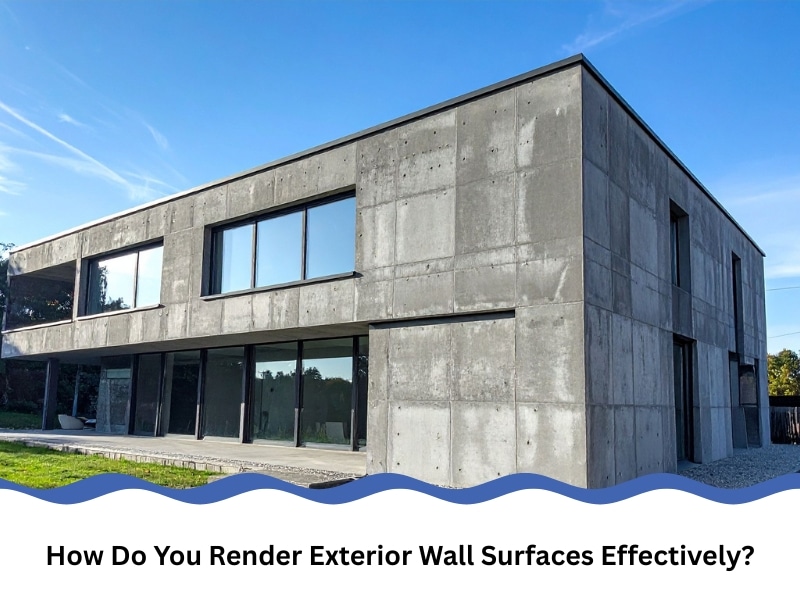
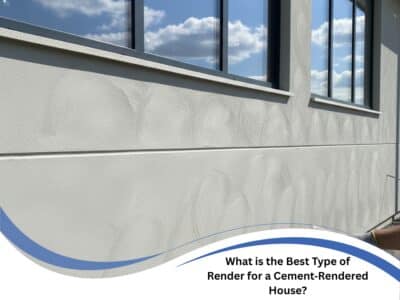
Modern house design showing how to render exterior wall with smooth finish.

How Do You Render Exterior Wall Surfaces Effectively?

How Do You Render Exterior Wall Surfaces Effectively? To render exterior wall surfaces isn’t just about looks—it’s a layer of defence against the elements. Done well, it keeps moisture out, improves insulation, and adds real value to your home. But when rushed or done without care, rendering can turn into a costly problem. It cracks, flakes, and in some cases, traps moisture inside the wall. That’s why every step—prep, mix, application—matters. This article explores what usually goes wrong and how to...

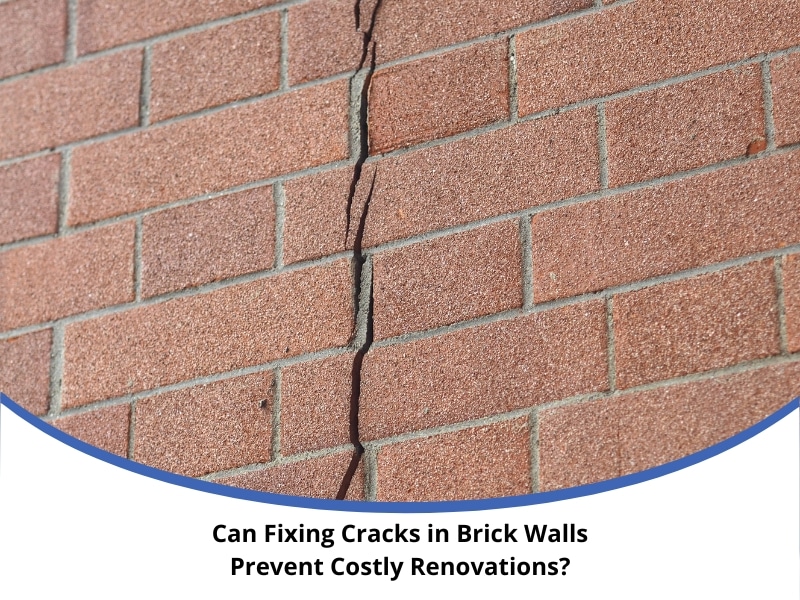
Large vertical crack in red brick wall showing need for fixing cracks in brick walls.

Can Fixing Cracks in Brick Walls Prevent Costly Renovations?

Can Fixing Cracks in Brick Walls Prevent Costly Renovations? Cracks in brick walls are more than a cosmetic issue. They’re warning signs — and ignoring them is like letting termites move in rent-free. Often caused by soil movement, moisture, or ageing materials, these cracks widen over time and open the door to much larger structural dramas. Fixing cracks in brick walls early helps avoid costly renovations down the track. Small gaps might not look serious at first glance, but they often...

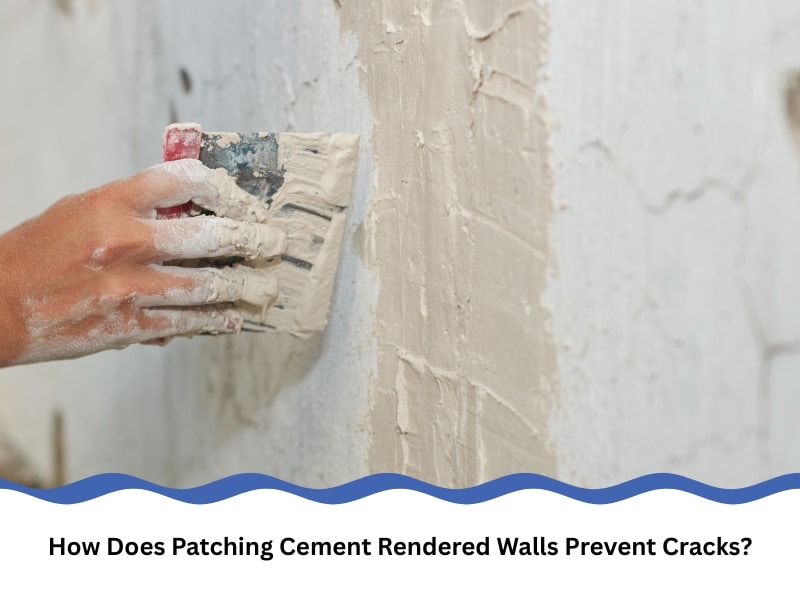
Hand applying patching cement rendered walls with trowel on damaged exterior surface

How Does Patching Cement Rendered Walls Prevent Cracks?

Cracks in rendered walls are more than just a cosmetic concern. Left untreated, they can expose surfaces to moisture and weaken the structure, leading to costly repairs. Many homeowners underestimate the role of proper patching in preventing these issues. When done right, patching can reinforce the integrity of a rendered wall and extend its life. But when skipped or poorly executed, the damage often worsens. This article explores how patching cement rendered walls helps prevent cracking and supports long-term wall...

Modern home exterior showing smooth walls after applying acrylic render for protection.

Does Applying Acrylic Render Stop Long-Term Damage?

Why do so many homes suffer from cracks, bubbling, or wall damp even after a fresh render? You’ve seen it—surfaces start pristine, only to fail months down the track. The reality is, surface coatings alone won’t prevent damage. What makes a real difference is how the render is prepared, applied, and maintained. If you’re weighing up whether applying acrylic render is worth the effort, this guide lays it all bare. This article examines the impact of applying acrylic render on...

Heavily cracked white brick wall showing advanced damage needing urgent fixing a cracked brick wall

Why Is Fixing a Cracked Brick Wall So Important?

When cracks appear in your brick walls, it’s easy to shrug them off as cosmetic. But behind every fracture could be a deeper problem. Cracks may hint at shifting foundations, water damage or, worse, structural instability. Overlooking early signs can turn a simple patch-up job into a much bigger fix. Acting quickly helps you avoid unnecessary costs, stress, and safety risks. This article explores the reasons fixing a cracked brick wall matters more than you might think. What are the common...

white concrete texture coating surface for harsh climate applications

Is Concrete Texture Coating Suitable for Harsh Climates?

Concrete surfaces in harsh climates don’t get an easy ride. Between scorching heat, heavy rain, and sudden temperature shifts, exposed concrete wears down faster than you can say “hairline crack.” That’s why many homeowners and builders rely on concrete texture coating—a durable, weather-ready solution built to withstand harsh conditions. But not all coatings are created equal, and a poor choice can lead to early failures. This article explores how concrete texture coating performs in extreme climates, what makes it effective,...

Yellow hard hat resting on rendered polystyrene cladding at a construction site

Can Rendered Polystyrene Cladding Improve Insulation?

  In many Australian homes, insulation underperforms due to outdated materials or poor installation. It’s a silent problem that can lead to hefty energy bills and year-round discomfort. As homeowners look for smarter options, rendered polystyrene cladding has emerged as a solution worth considering. It combines energy efficiency with a sleek finish, but is it truly effective? This article explores whether rendered polystyrene cladding can genuinely boost your home’s insulation and performance. What causes insulation problems in Australian homes? Inadequate insulation isn’t always...

Polystyrene building material sheets stacked outside modern residential house.

Is Polystyrene Building Material Safe for Residential Use?

When choosing the right cladding or insulation, you’ve likely come across polystyrene building material. Lightweight, cost-effective, and widely used, it seems like an easy choice — but is it the safest one for homes? Fire risks, compliance rules, and long-term performance have all come under scrutiny, particularly in Australian suburbs where regulations are continually tightening. The absolute safety of polystyrene depends on how it’s used — and how well it’s installed. This article examines key safety concerns, installation essentials, energy...

Large structural gaps from cracked plaster walls in deteriorating home surface

What Causes Cracked Plaster Walls in Older Homes?

Cracked plaster walls are a common issue in older Australian homes. Over time, structural shifts, moisture, and the use of outdated materials can lead to unsightly and even serious wall damage. Many homeowners patch over the problem without understanding its underlying cause. This often results in recurring cracks and added repair costs. Instead of guessing, it’s worth identifying the true cause early. This article explores why cracks form in plaster walls and how to repair and prevent them effectively. Why do...

A close-up of a wall showing significant crack patterns across its plaster surface.

What Causes Recurring Crack Patterns in Plaster Walls?

Plaster walls can add a touch of elegance to your space, but nothing ruins the aesthetic quite like persistent crack patterns. You patch them up, only to find them creeping back after a few weeks or months. Sounds familiar? This issue plagues many Sydney homeowners, especially in properties affected by extreme temperatures, moisture, or substandard rendering. Fortunately, understanding the root cause can help you fix it once and for all. This article will explore why these crack patterns keep popping...

Call Now Button