Choosing the right render for a cement-rendered house isn’t as simple as it sounds. It comes down to how your home is built, the climate it sits in, and the finish you’re chasing. A good render should look great, last years, and stand up to whatever the Aussie weather throws at it. But not all renders are created equal. Some crack under pressure, others need loads of upkeep. This article explores the different types of render, their pros and cons, and how to figure out which one suits your place best.
Why do homeowners struggle to choose the right render finish?
It’s no surprise that many homeowners hit a wall when trying to pick a render finish. There’s plenty of choice, but very little plain-English guidance. That alone can make the decision feel harder than it should be. Here are the main reasons why render selection is so confusing:
- Too many products, not enough clarity: You’ll hear terms like lime, acrylic, polymer-modified—and most people aren’t sure how they stack up.
- Misunderstood upkeep: Some think once it’s on, that’s it. But different types need different maintenance down the track.
- Assumptions about price and quality: A steeper cost doesn’t always mean it’ll last longer or suit your wall type.
- Looks can mislead: A flashy finish might look the part, but perform poorly in your area’s conditions.
Some folks are swayed by what looks modern, while others try to cut costs upfront. But without understanding the long-term impact, you could end up needing repairs sooner than expected. Choosing a render requires more than visual preference—you must consider surface compatibility, climate, and long-term performance. Reading up on how professionals render exterior wall surfaces effectively can give you a clearer sense of what goes into a reliable finish.
What problems arise when a cement-rendered house is done incorrectly?
When render’s done wrong, it’s more than an eyesore—it can cause long-term damage to your home. Most of the time, issues come from bad prep, cheap products, or rushing the job. Here are the problems that occur when rendering goes wrong:
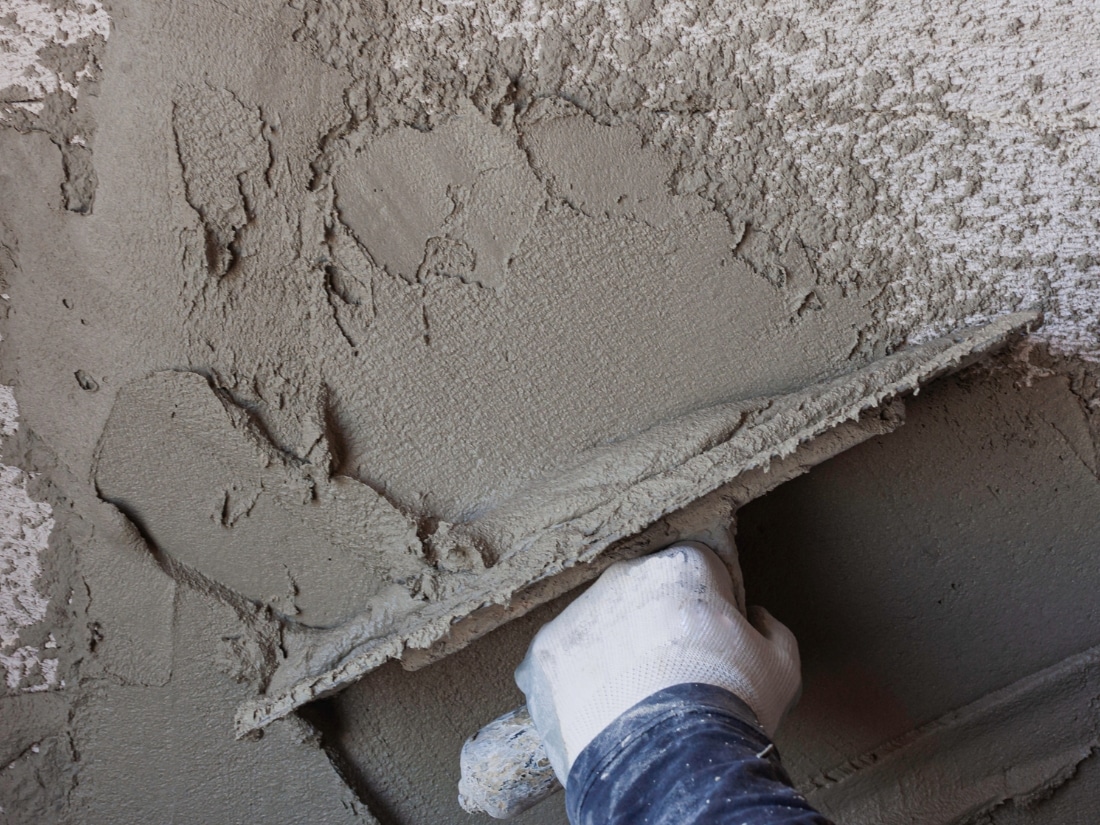
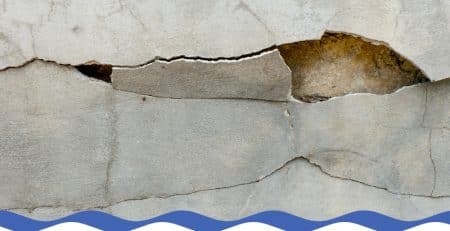
- Cracks show up too soon: Often caused by using the wrong mix or not allowing movement in the wall.
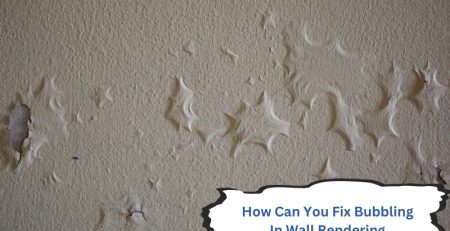
- Blistering and lifting: If moisture gets stuck underneath, it bubbles up and ruins the finish.
- White stains appear: That’s efflorescence—leftover salts that show when moisture is trapped and tries to escape.
- The whole layer peels: Without proper bonding, render can fall away in sheets. Not ideal, and not cheap to fix.
These problems aren’t always visible at first. A wall might look fine for a year or two, then suddenly show signs of wear. And once it starts peeling or cracking, patching isn’t always enough—you might have to redo whole sections. Render problems usually begin with poor preparation or the wrong materials. Recognising the reasons behind cracks in cement plaster can help you avoid these common and costly mistakes.
How does the climate affect your cement-rendered house’s durability?
Where you live plays a big part in how well your render performs. Aussie weather can be punishing—from salty coastal breezes to dry inland heat—and your walls cop it all year round. Here are the climate-related factors that impact your render:
- Homes near the ocean: Salt air, humidity, and wind will eat away at rigid renders unless they’ve got some give and breathability.
- Hot, dry regions: Big temperature swings from day to night can stress walls, causing brittle finishes to crack.
- Wet and humid zones: Moisture builds fast, so your walls need to breathe. Non-breathable finishes won’t cut it.
- Energy-efficiency matters: Some renders help keep heat out and cool in. That improves the thermal performance of rendered walls and lowers running costs.
We’ve had clients along the coast say their render started chalking or cracking within two years—mostly due to poor climate matching. That’s why you can’t just pick what’s trending or what your mate used two suburbs over. Your region’s weather directly affects how your render performs.
What are the different types of render for a cement-rendered house?
Not all render is created equal. Some types are tough as nails but need a pro hand. Others are flexible and great for modern homes, but come at a higher cost. It’s all about fit. Here are the render types and what they offer:
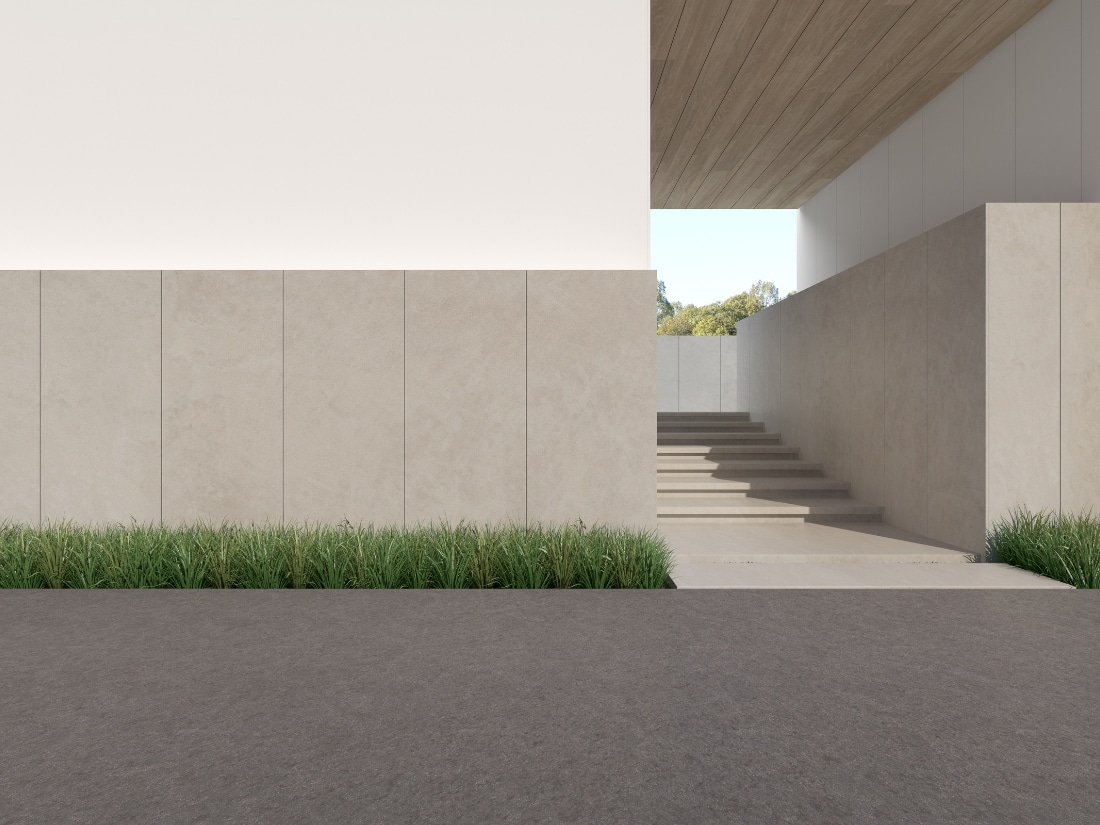
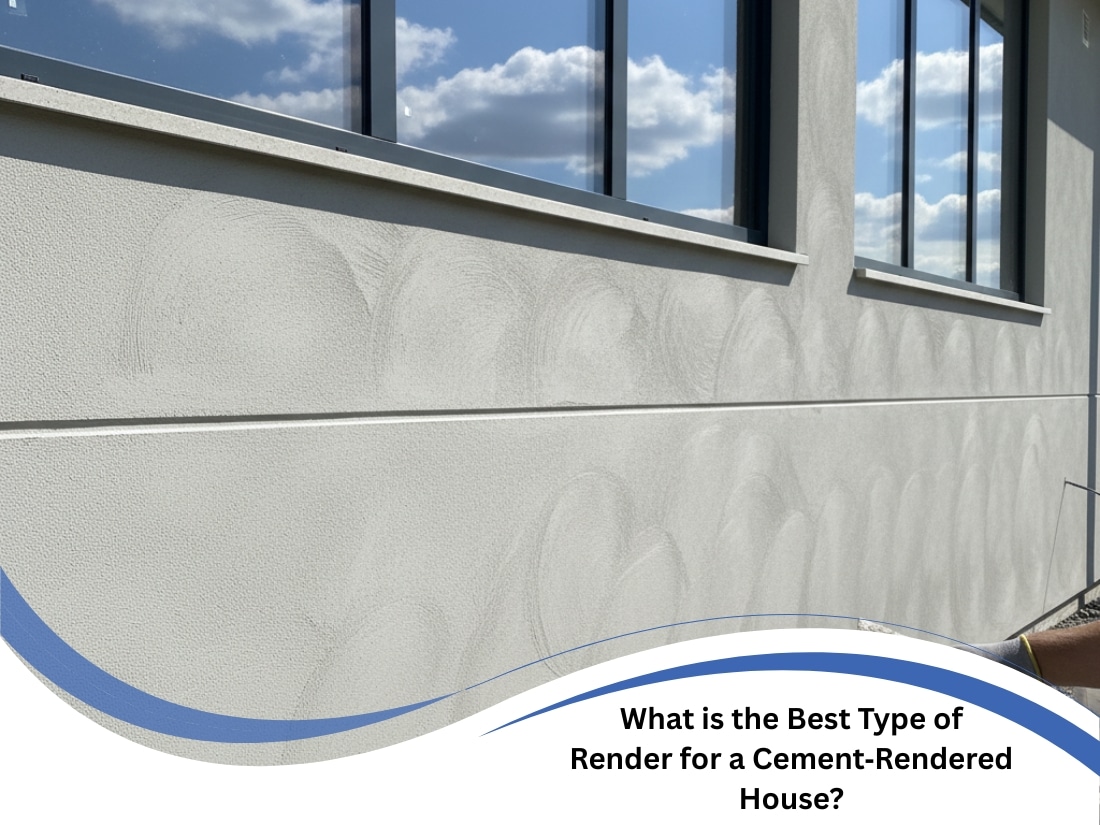
- Cement render: A classic sand-and-cement mix. Affordable, tough, but prone to cracking if your walls shift.
- Acrylic render: Sticks to most surfaces and dries fast. Flexible, weatherproof, and less likely to crack—but more expensive.
- Lime render: Breathable and ideal for older structures. Helps release trapped moisture but takes more skill to apply.
- Polymer-modified: A hybrid that mixes cement with polymers. Strong, flexible, and suitable for different conditions.
Render comparison table:
| Render Type | Ideal Conditions | Key Advantage | Limitation |
| Cement | Stable, dry climates | Affordable and durable | Cracks easily on moving walls |
| Acrylic | Coastal or shifting walls | Flexible and quick to apply | Higher upfront cost |
| Lime | Heritage, wet climates | Highly breathable for old walls | Needs skilled application |
| Polymer-modified | Mixed conditions, modern builds | Strong, durable, flexible blend | Sensitive to mix accuracy |
Lately, we’ve seen more homeowners going for acrylic in coastal spots and sticking to cement inland, where walls don’t move as much. If you’re not sure, have a proper look at cement rendering for modern homes to understand what suits your property type and local conditions.
Final thoughts on choosing the best render for your cement-rendered house
A render finish should do more than look good. It needs to handle your climate, fit your budget, and last for years without dramas. Whether you live by the beach, in the bush, or in suburbia, there’s a render that suits. Picking right saves you hassle—and money—down the track. For a bit of no-nonsense guidance, have a yarn with the friendly advice from Jims Rendering Sydney team.