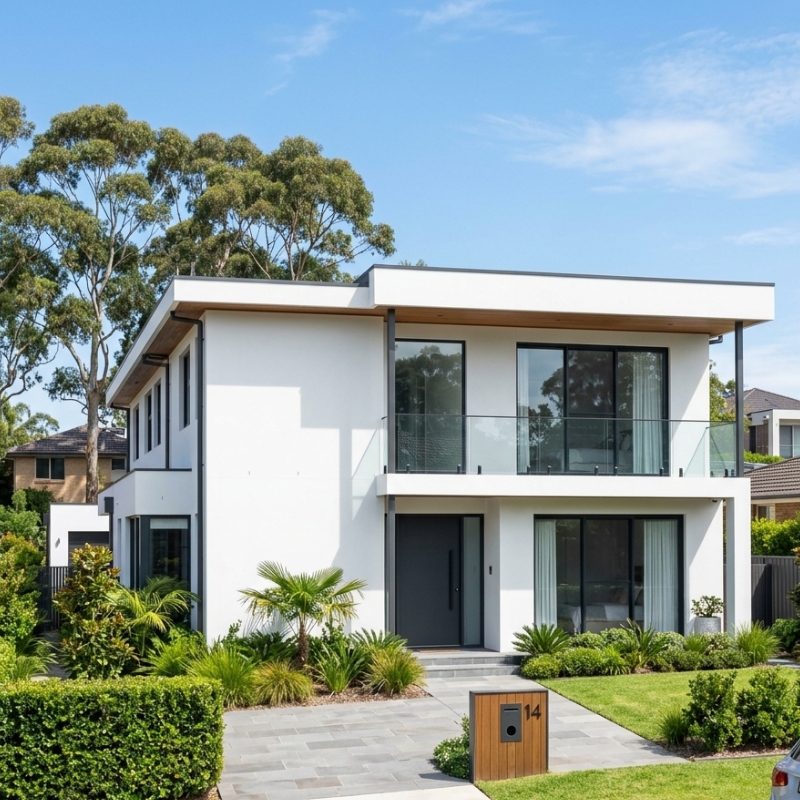
Many Sydney homes rely on acrylic render for its flexibility, crack-resistance and crisp modern finish. While the coating is forgiving, the wrong cleaning habit can leave stains, chalky patches or premature peeling that undermine both street appeal and weather protection. If you are researching the best way to look after your render – perhaps because you’ve recently booked professional acrylic rendering or inherited an already-rendered façade – this guide walks you through the most common pitfalls and how to sidestep them.
Why the Right Cleaning Matters for Acrylic Render
Acrylic render forms a breathable, waterproof skin over brick, fibre-cement or lightweight cladding. When kept free from dirt, mould and pollution film, it can easily last 20–30 years in Sydney’s temperate climate. Incorrect cleaning, however, can:
- Open up hairline cracks or micro-etch the surface, allowing moisture ingress.
- Strip the protective polymer coating so colour fades faster under intense summer UV.
- Force water behind the render where it can’t escape, increasing blistering or bubbling.
- Shorten the interval before you need to repaint or even re-render.
Knowing what not to do is often as helpful as knowing what to do. Let’s look at the biggest traps.
1. Using High-Pressure Water on Full Power
Homeowners often borrow or hire a 2,000 psi pressure washer thinking it will blast away grime in seconds. The problem is that acrylic render is softer than brick, and jetting water directly at 90° can:
- Erode the thin polymer film, leaving visible swirl marks.
- Drive water through existing hairline cracks.
- Loosen the bond between render and substrate, starting a cycle of delamination.
A Gentler Alternative
- Use the lowest-pressure tip (wide fan) and keep the lance at least 500 mm from the wall.
• Pre-wet the surface with a garden hose, then wash from the top down in sweeping arcs.
• Finish with a soft bristle brush for stubborn spots.
2. Choosing Chlorine Bleach for Mould Removal
Bleach is cheap and appears to work fast, so it’s the first product many people grab when black mould spots show. Unfortunately, bleach can:
- Lighten coloured renders unevenly, creating patchy walls.
- Break down acrylic binders, accelerating chalking.
- Leave salt crystals that actually feed mould once the surface is damp again.
If you’ve noticed green staining around shaded southern walls, our earlier post on smooth acrylic render maintenance advice explains suitable pH-neutral cleaners. Typically, oxygen-based mould removers or specialised render detergents clean effectively without altering colour.
3. Scrubbing with Hard Wire or Abrasive Pads
Supermarket scourers marketed as “heavy-duty” make easy work of burnt pans, but on an acrylic render wall they:
- Score the surface, creating tiny valleys that collect grime.
- Lift protective paint coats if the render is coated.
- Increase future maintenance time because the texture becomes uneven.
Stick to:
- Natural or nylon soft-bristle brooms.
- Non-scratch pads designed for automotive paint or boat gelcoat.
If a spot will not budge, dampen it with detergent solution, leave for 5–10 minutes, then rinse and repeat rather than relying on force.
4. Ignoring pH Levels in Cleaning Chemicals
Acrylic polymers sit in a happy middle ground – too acidic, and they soften; too alkaline, and they become brittle. Products outside the safe pH 5–9 window (for example, brick acid at pH 1 or strong degreasers at pH 12) should stay in the garage unless a professional specifically recommends them.
Quick pH Reference
| Product Type | Typical pH | Render-Safe? | Notes |
| Household white vinegar | ~2.5 | No | Risk of etching and streaking coloured finishes. |
| Sugar soap (ready mix) | 8–9 | Yes | Dilute per label; rinse well to avoid residue. |
| Bleach (sodium hypochlorite) | 11–13 | No | Can discolour and weaken acrylic binders. |
| Oxygen cleaner (sodium percarbonate) | 10–11 | Mostly | Rinse thoroughly; test first on coloured render. |
| Neutral detergent (car wash) | 7 | Yes | Gentle option for regular upkeep. |
Always spot-test in a discreet area behind a garden bed or meter box before committing to whole-wall cleaning.
5. Washing in the Midday Summer Sun
Sydney’s UV index regularly hits “extreme” in December and January. Cleaning render while the wall is hot can:
- Flash-dry detergent, leaving streaks.
- Lock mineral salts onto the surface.
- Stress the render by sudden cooling if you hose cold water onto a 50 °C wall, encouraging hairline cracks.
Plan cleaning for early morning or late afternoon when the wall is shaded, or pick an overcast day with temperatures below 25 °C.
6. Forgetting to Inspect and Fix Cracks First
Cleaning forces water into every gap it can find. If you do not seal hairline cracks or around movement joints:
- Trapped moisture can foster mould behind the coating.
- Minor cracks may widen once the wall cycles hot–cold again.
Spend 15 minutes walking around the house looking for:
- Diagonal cracks from window corners.
- Vertical cracks where additions meet the original structure.
- Fine, map-like crazing on broad panels.
Fill small cracks with flexible exterior filler rated for renders. Leave larger structural cracks for a qualified renderer or builder.
7. Skipping Routine Rinses After Coastal Storms
Wind-driven salt spray is an everyday reality for beach-side suburbs from Bondi to Cronulla. Salt crystals attract moisture and keep walls damp, so rinsing with fresh water after a storm extends render life. It also prevents the white efflorescence streaks that can form when salt crystallises on the surface.
Cleaning Method Comparison Table
Below is a quick decision helper showing when to use common cleaning approaches and what to watch out for.
| Cleaning Method | Best For | Watch Out For (Risks) | Recommended Frequency |
| Soft garden hose rinse | General dust, pollen, salt spray | Won’t remove oily stains | Quarterly or after storms |
| Low-pressure washer (wide fan) | Lichen, pollution film | Stripping the surface if the pressure is too high | Annually |
| Neutral detergent + soft broom | Bird droppings, greasy spots | Residue if not rinsed thoroughly | As needed |
| Oxygen-based mould remover | Shaded walls with algae or mould | May lighten dark-tinted renders without patch testing | When mould appears |
| Professional chemical cleaning | Deep-set pollution near busy roads | Costlier; improper chemicals can damage | Every 3–5 years |
If in doubt, start with the gentlest method and move up only when needed.
Local Factors That Shape Your Cleaning Plan
Sydney’s diverse micro-climates mean two homes 20 km apart may need different routines.
- Coastal east: Higher salt and humidity accelerate mildew; rinse more often.
- Inner-west traffic corridors: Black diesel soot requires detergent rather than just water.
- Bush-adjacent suburbs: Eucalypt pollen can create a sticky yellow film needing a mild degreaser.
- Western Sydney heat: Strong afternoon sun makes morning cleaning safer on hot days.
Observing how quickly your walls soil after rain or wind events is the simplest guide to setting a schedule.
Safe DIY Step-by-Step Overview
- Inspect walls, note cracks, efflorescence or chalking.
- Sweep or leaf-blow loose debris from sills and ledges.
- Mask electrical outlets and protect nearby plants with damp towels.
- Pre-rinse using a low-pressure hose.
- Apply neutral detergent or chosen cleaner section by section.
- Agitate gently with a soft broom.
- Rinse thoroughly from top down, keeping water run-off controlled.
- Allow the wall to air-dry; remove masking and tidy the area.
- Re-inspect the next day to ensure no streaks or fresh cracks have appeared.
Should You Call a Professional?
Most light maintenance is safe for capable DIYers, yet situations such as multi-storey facades, render older than 15 years, or persistent bubbling often justify a professional inspection. Specialists carry longer lances for safe ground-level washing, access equipment for upper storeys and non-off-the-shelf biocides that minimise regrowth.
For formal constructions, strata by-laws may even require you to engage licensed contractors for exterior work. The NSW Fair Trading maintenance guidance outlines owner and builder responsibilities during the statutory warranty period.
FAQs
1. Can I use sugar soap on coloured acrylic render?
Yes, most ready-mixed sugar soaps sit around pH 8–9, which is acceptable for acrylic coatings. Dilute per the label and rinse thoroughly to avoid streaks on darker colours.
2. How do I remove rust stains from sprinkler overspray?
Try an oxalic-acid-based rust remover designed for masonry. Test in an inconspicuous spot first and rinse profusely. Avoid hydrochloric (brick) acid, which is too harsh for acrylic binders.
3. Is repainting necessary after cleaning chalky render?
If a white film comes off on your fingers after cleaning, the protective top coat has degraded. A fresh acrylic exterior paint or flexible membrane can extend lifespan, but prime with a render-specific sealer recommended by the paint manufacturer.
4. Does rain clean my render naturally?
Light rain helps, yet it rarely removes airborne oil residues or mould spores. Periodic intentional cleaning and salt rinses remain essential, especially in coastal and high-traffic zones.
5. How often should I inspect rendered walls for cracks?
A quick visual scan every three months is ideal. Combine it with gutter checks and garden maintenance so issues are caught before cleaning drives water deeper.
Wrapping Up
Acrylic render rewards homeowners who treat it gently. Avoiding high-pressure blasts, harsh chemicals, midday scrubbing and unchecked cracks protects the polymer skin that keeps Sydney’s sun, salt and storms at bay. If you notice staining or damage that two gentle passes won’t fix, a short call to a qualified renderer ensures underlying problems are addressed before they grow. By steering clear of the seven mistakes above, your rendered walls can stay crisp, bright and weather-tight for decades.