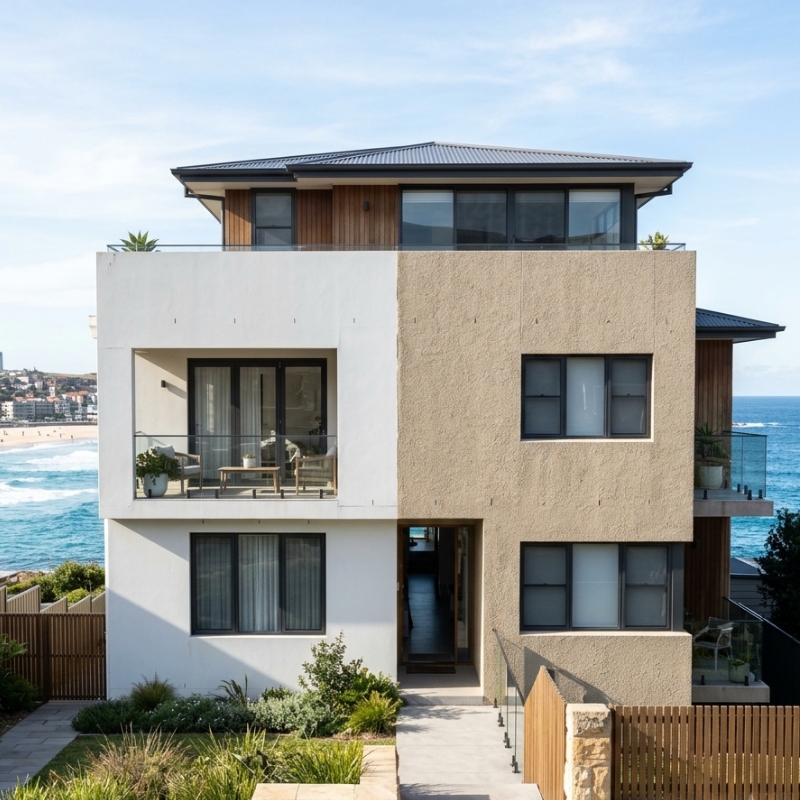
Texture Coating vs Traditional Paint: What Homeowners Need to Know in 2026
Sydney homeowners are spoilt for choice when it comes to giving tired brickwork, cement render or fibre-cement cladding a new lease of life. Two of the most talked-about options in 2026 are modern acrylic texture-coating systems and good old-fashioned exterior paint. They might look similar at first glance, yet the way they handle our harbour city’s salty air, pounding summer storms and weekend cricket ball impacts can be worlds apart.
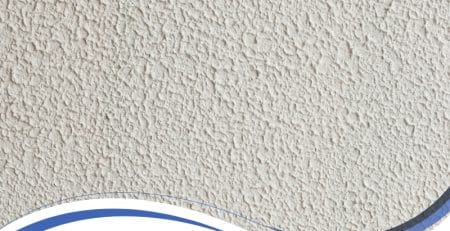
Texture coating sits halfway between a decorative finish and a protective skin. Instead of merely colouring the surface, it creates a flexible, breathable layer that moves with hairline building shifts and seals out moisture. That flexibility is why many homeowners opt for professional texture coating rather than rolling on another coat of paint. But before you book in a painter or rendering crew, it pays to understand where each method shines, where it falls short and how Sydney’s unique weather patterns tip the scales.
Below, we break down lifespan, maintenance, energy performance, colour retention, compliance considerations and more—so you can make the right call for your project.
1. How They Work: From Chemistry to Curb Appeal
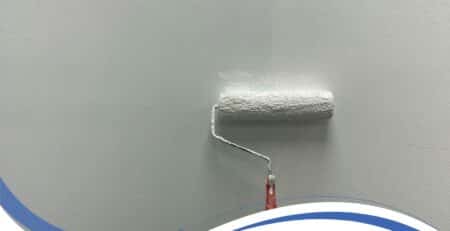
Traditional exterior paint is typically water-based acrylic with pigment and binders designed to form a thin, coloured film once cured. Texture coating is thicker—closer to high-build render—containing graded aggregates, advanced polymers and UV-stable pigments. This formulation means:
- Film Thickness
• Paint: 30–50 microns
• Texture Coat: 1–2 mm (that’s up to 40x thicker) - Moisture Handling
• Paint mainly sheds surface water.
• Texture coating lets trapped moisture migrate out, reducing blistering on older brick or blockwork. - Movement & Cracking
• Paint has limited elasticity.
• Texture coat flexes with minor substrate movement, a big plus on reactive clays common in parts of Western Sydney.
That extra body doesn’t just hide minor imperfections; it also softens sharp mortar joints and cushions small impacts—handy on footpath-facing walls where bins, bikes or balls make occasional contact.
2. Durability in Sydney’s Climate: Salt, Sun and Sudden Downpours
Sydney sits in a warm temperate zone with frequent coastal winds, high UV indices and humidity spikes. Add the occasional East-Coast Low, and coatings get a workout. So, which finish takes the long-haul beating better?
| Stress Factor | Traditional Paint | Texture Coating | What It Means for You |
| UV Exposure | Pigment fade possible after 5–7 years | UV-stable pigments slow fade to 12–15 years | Longer colour life before full recoats |
| Salt Spray (Coastal Suburbs) | Can chalk and blister | Acrylic binders resist salt crystallisation | Fewer edge flake repairs near Bondi & Coogee |
| Heavy Rain & Wind | Micro-cracks can let moisture in | Flexes to keep water out | Lower chance of efflorescence on south-facing walls |
| Thermal Movement | Paint film can craze | Elastomeric properties bridge hairline cracks | Ideal for west-facing walls that cop afternoon sun |
While premium exterior paints have improved UV blockers, texture coats still hold the edge on colour retention and impact resistance—especially useful for freestanding houses in open, windy corridors from Cronulla up to Manly.
3. Maintenance and Lifecycle
At first glance, a 15-litre drum of exterior paint is cheaper than a barrel of texture coat. But tally the full lifecycle:
- Recoat Frequency
• Paint: every 7–10 years for south and west elevations
• Texture Coat: 15 years+ before major maintenance, assuming a sound substrate - Minor Touch-Ups
Paint touch-ups can flash (leave a sheen difference). Texture coat touch-ups blend better thanks to its stippled finish. - Cleaning
Both benefit from low-pressure washing, yet the thicker film of texture coat means gunk doesn’t embed as deeply, making mould removal less aggressive.
When you amortise the extra upfront material and labour costs of texture coating over its extended life, many households find the 20-year cost curve tilts in its favour—particularly when factoring fewer scaffold hires.
4. Energy Performance and Comfort
With power prices marching north, anything that shaves summer cooling loads or winter warmth leakage earns attention. Texture coating can include reflective pigments or micro-spheres that bounce back radiant heat. That makes a measurable difference on dark-coloured façades in suburbs like Parramatta or Penrith where summer temps soar.
Traditional paint does offer ‘cool roof’ or ‘solar-reflective’ options, yet because the film is thinner, its insulation benefit is mostly surface-level. In contrast, the micro-air cells in certain texture coats add a small but meaningful thermal break—enough to register a degree or two indoors, especially in older double-brick Federations without cavity insulation.
5. Compliance and Environmental Considerations
Sydney councils increasingly reference low-VOC requirements for residential works. Water-based acrylic exterior paints generally comply, but some solvent-borne primers still sneak into undercoat specs. Acrylic texture-coating systems are typically classed as low-VOC across all layers—base, top and sealer—so they often sail through approvals.
According to the Australian Government guide on paints and coatings, low-VOC finishes reduce indoor and ambient air pollutants during application and curing. This is especially relevant on tight terraces where neighbours may feel the odour drift.
If you’re in a bushfire-prone zone (BAL rated), check whether your chosen coating meets the flame-spread indices listed in AS 3959. High-build acrylics often outperform thin paint films by forming a more robust barrier; however, always confirm the system’s official test data before sign-off.
6. A Quick Decision Framework
Below is a side-by-side snapshot to help shortlist the right option:
| Consideration | Choose Traditional Paint If… | Choose Texture Coating If… |
| Budget Constraints | You need the lowest upfront cost and are happy to repaint every decade. | You can invest more now to halve long-term maintenance cycles. |
| Substrate Condition | Walls are smooth, crack-free and relatively new. | Brickwork has hairline cracks or patchy old render. |
| Aesthetic Goals | You want a flat, ultra-smooth finish. | You like subtle texture, shadow play or a stone-like grain. |
| Coastal Proximity | 2 km+ inland with minimal salt spray. | Within sight of the coast, need extra salt resistance. |
| Sustainability Focus | Content with standard low-VOC paint. | Chasing extra R-value, reflectivity or breathable membranes. |
7. Common Mistakes Sydney Homeowners Make—and How to Avoid Them
- Skipping Substrate Repairs
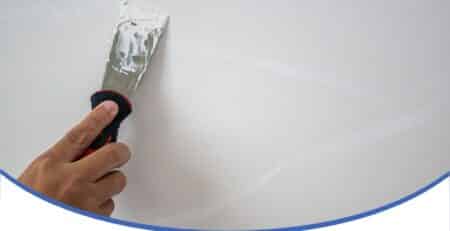
Texture coat hides small blemishes but won’t arrest structural cracks. Fix movement issues or rising damp first. - Choosing Interior Paint for Exteriors
It sounds obvious, yet “off-the-shelf” mix-ups still happen at big-box stores. - Neglecting Expansion Joints
Even the most elastic coating can’t bridge a missing control joint. Keep existing joints clear, seal them with compatible elastomeric caulk. - Ignoring Application Temperature Windows
Sydney heatwaves can push wall temps above 35 °C. Both paint and texture coat risk flash-drying, leaving lap marks. Early-morning or shaded work solves this.
By steering clear of these pitfalls, you lock in the performance promises of whichever coating you pick.
8. What About Cracks That Keep Returning?
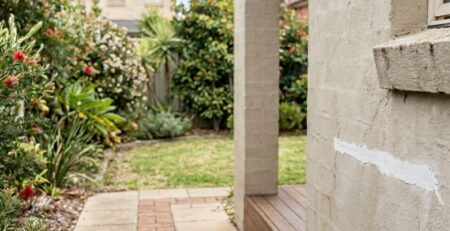
Persistent cracking often signals movement or moisture dynamics that a mere surface finish can’t solve. If you’re dealing with recurring fissures, see our guide on signs of wall damage before deciding on paint versus texture coat. It walks through when to patch, when to monitor and when to call in a structural assessment.
9. FAQs
1. Is texture coating a type of paint or render?
It straddles both. It spreads like render at 1–2 mm thick but uses acrylic binders and colour pigments similar to paint. Think of it as a high-build, flexible paint-render hybrid.
2. Can I apply texture coating myself?
DIY is possible on small garden walls, yet whole-house jobs usually need specialised spray guns, trowels and know-how to achieve even texture and the correct film build. Poor application can leave ripples that are hard to sand out.
3. Does texture coating trap moisture inside the wall?
Quality acrylic systems are vapour-permeable, meaning water vapour can escape while liquid water is kept out. This “breathability” helps older double-brick homes dry out after heavy rain.
4. How long before I need to repaint over the texture coating?
You typically wash down and reseal after 12–15 years. A lighter colour may stretch even further. The underlying texture stays intact; you’re mainly refreshing pigment and surface protection.
5. Will either option affect my home insurance?
Most insurers don’t differentiate between paint and texture coat. However, they may ask whether external maintenance is up to date when assessing storm-damage claims. Longer-lasting coatings can indirectly support your case by showing proactive upkeep.
Final Thoughts
Choosing between traditional paint and modern texture coating isn’t just about colour swatches—it’s about balancing lifespan, resilience, and how much weekend maintenance you’re willing to handle. Sydney homes face constant exposure to salty coastal air, strong UV rays, and periods of heavy rain. Because opting for professional texture coating in Sydney provides a thicker, more flexible layer than standard paint, it often delivers far superior long-term durability in these local conditions.
If your walls are in great nick, a premium exterior paint could serve you well for another decade. But if you’re chasing a tougher skin, added thermal comfort or a bolder textured statement, texture coating is well worth a closer look.
Still on the fence? Spend an hour walking your neighbourhood, noting which finishes have aged gracefully. A little local research now can spare you years of touch-ups later.