Tiny chips today, costly fixes tomorrow
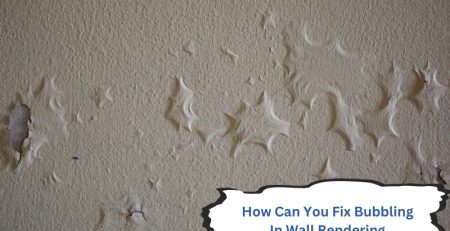
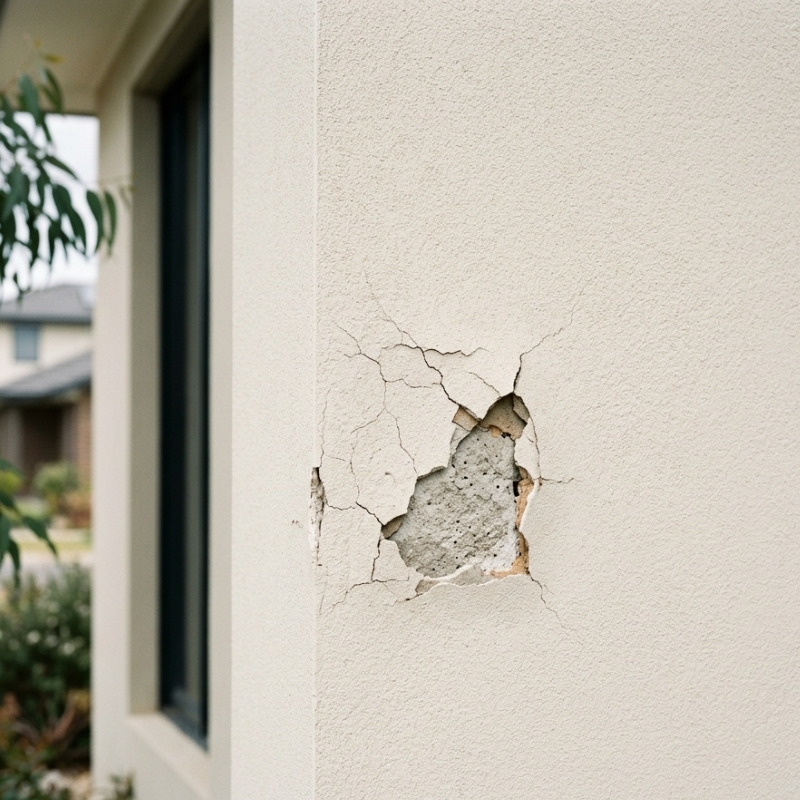
A thumbnail-sized flake of render on the back wall rarely feels urgent. Many Sydney homeowners grab a bag of premix from the hardware shop, slap it on, and tick the job off the weekend list. Yet that quick fix can trap moisture, mis-match colour, and hide a deeper issue. Before long, the once-neat surface looks like a patchwork quilt, and the repair bill climbs far beyond the price of a small bag of render.
That’s why more households lean on house rendering specialists for even minor blemishes. Knowing when to call in a qualified renderer — and when a DIY touch-up is genuinely safe — can save time, money, and a surprising amount of mess.
Why minor render damage snowballs
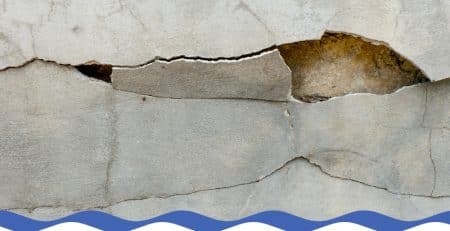
Sydney’s sun and salt air accelerate wear. A hairline crack gives ultraviolet light and rainwater a doorway into the render coat. Under the surface, metal ties can rust, brickwork expands and contracts with temperature swings, and salts migrate outward. Each micro-movement widens the original crack.
Render works as a monolithic skin. The moment that skin loses integrity, stresses redistribute, leading to:
- Discoloured streaks caused by trapped moisture
- Hollow drumming sounds where render separates from the substrate
- Efflorescence — white salt crystals that push render away from brick
- Progressive edge lifting that an ordinary filler can’t bond back
Because these changes happen underneath, homeowners often see only a harmless mark — until a whole panel drops away.
Climate pressure points
Sydney’s coastal suburbs get salt-loaded breezes; western suburbs cop intense summer heat; and everywhere in between deals with dramatic storm cells. Salt crystals expand inside tiny pores, heat cycles fatigue cement-based renders, and sudden downpours wash loose fragments free. A patch-up that isn’t fully bonded or correctly cured struggles to withstand that trio.
Hidden moisture and structural movement
Older brick cottages and many new double-storey builds move slightly as foundations settle. Moisture infiltrating behind a patch accelerates that movement by softening mortar joints. Some homeowners notice interior plaster cracks months after an exterior DIY repair that seemed fine at first.
Limits of the weekend workaround
An off-the-shelf repair kit is convenient, but convenience disguises technical gaps.
Premix does not equal match
Render colour shifts as it cures. Site-mixed sand, cement, acrylic additives and oxide pigments give each home a unique tone. A retail bag rarely carries the same aggregate grading or pigment ratio, so the patch stands out in full daylight. Even “white” acrylic renders vary between brands; UV light ages them at different speeds, making the mismatch worse over time.
Surface prep hurdles
Professional renderers angle-grind edges to create a mechanical key, wash out salts, and sometimes install movement beads. Skipping any of those steps leaves the patch floating on loose dust. It might survive the first season, then detach in chunks.
Safety and mess
Grinding, mixing, and trowelling above shoulder height sprays silica dust and wet slurry. Protective eyewear, gloves, and drop sheets are essential. Many DIY attempts forget that slurry stains pavers and timber decks within seconds.
Half an hour of prep by a licensed renderer often prevents these headaches. A detailed walkthrough appears in our wall crack guide, but a few stand-out warning signs deserve special attention.
When a professional is the smarter call
Minor hairline cracks under 0.2 mm can be monitored. Anything larger, or any hollow sound when tapped, is usually best left to a renderer.
Cracks wider than a credit-card edge
Movement is already significant. A flexible acrylic system or mesh reinforcement may be required — both beyond standard DIY products.
Re-rendering whole panels
If more than roughly an A4 sheet has delaminated, seamless blending demands consistent sand grading, pigment batching, and float finish. Pros keep detailed mix ratios and can replicate the original texture.
Heritage or high-profile façades
Federation terraces and modern architect-designed homes attract scrutiny from council heritage officers or body corporate committees. Quality expectations are higher, and warranties from licensed tradespeople help with resale value.
Suspected moisture ingress
Musty smells inside, flaky paint, or damp patches suggest water is travelling through the wall. Render repair alone will not solve it; professionals trace flashing, sealant, or gutter faults first.
Simple stop-gap measures until help arrives
Sometimes a storm is due, and a renderer can’t visit for a week. In that case:
- Brush out loose grit, then tape breathable building paper over the gap to deflect rain.
- Keep garden sprinklers angled away from the wall.
- Check gutters for blockages so overflow doesn’t drench the defect.
- Photograph the area in morning and afternoon light. Subtle shadows reveal spread, helping the renderer assess urgency.
None of these steps replaces a bonded repair, but they slow deterioration.
Choosing the right rendering contractor
Licensing in NSW demands a Certificate III in Solid Plastering or equivalent and public liability insurance. Ask for:
- References from projects at least two years old
- Written mix specifications (cement grade, sand ratio, additive brand)
- Clarification on curing times before painting
The NSW Fair Trading site lists active licences and consumer guidance on selecting renderers. Their section on exterior wall finishes outlines workmanship standards and dispute processes; homeowners can review it at NSW Fair Trading – building or renovating.
A proactive approach saves money
Render owes its longevity to cohesion. The moment small chips appear, Sydney’s weather and salt air work hard to widen them. Careful DIY monitoring can hold the line on hairline cracks, but mismatched patches often invite bigger failures. Engaging a licensed renderer early shifts the spend from repeated patch-ups to a once-and-done repair that blends seamlessly, preserves kerb appeal, and guards the wall beneath. That peace of mind is hard to replicate with a weekend bag of premix.