Thinking about rendering your Sydney home and wondering if it’s worth it, or how long it’ll actually last before you’re paying to redo it? Good question, and the reassuring answer is that render is a long-term finish when it’s done properly. This guide covers how long cement, acrylic and texture render last in Sydney, what makes the difference, and how to get more years out of yours. Jim’s Rendering Sydney has rendered and maintained homes across Sydney, so here’s what to realistically expect.
| Quick answer
Applied correctly, cement render typically lasts several decades, acrylic render often lasts as long or longer thanks to its flexibility, and texture coatings refresh the surface for many years. Lifespan in Sydney depends on wall prep, the substrate, weather exposure (sun, salt and rain) and maintenance, not just the render itself. |
What affects how long render lasts?
Render doesn’t have a fixed expiry date; how long it lasts depends on a handful of things, and most of them are decided before the render even goes on. Wall preparation is the big one. A wall that’s cleaned, stable and properly primed gives the render something solid to bond to, while a rushed prep job leads to render that lets go early. The substrate matters too, since render behaves differently on solid brick than on a mixed or movement-prone wall. Application quality is huge; an even, correctly mixed coat by an experienced hand outlasts a patchy DIY one every time. Then there’s what the wall lives through: Sydney’s intense sun, coastal salt, driving rain and ground movement all work on a facade over the years. And finally, maintenance, because a rendered wall that’s looked after lasts far longer than one that’s ignored. Get the prep and application right with quality cement rendering Sydney and you’re set up for decades, not years. It’s also worth saying that no render hides a wet wall forever, so fixing the source of any damp before rendering is part of making it last.
Lifespan by render type
Different renders age differently. Here’s the rough picture, keeping in mind that correct application matters more than the label on the bag.
- Cement render: the traditional workhorse. Applied well and kept sealed and painted, it typically lasts several decades. Its main vulnerability is water getting in through unpainted or cracked areas, so its coating is part of what protects its lifespan.
- Acrylic render: often lasts as long as cement render or longer, because the polymers let it flex with the wall instead of cracking, and it’s more water-resistant. Its colour is usually built in, so it doesn’t rely on a separate paint layer holding up. A good acrylic rendering job is a genuinely long-term finish.
- Texture coating: this is more of a decorative, protective top layer than a structural render, and it refreshes and protects the surface for many years. It’s often used to update the look and add a weather-resistant skin, and a texture coating can be recoated down the track to keep a facade fresh.
Across all three, the honest takeaway is that render is a decades-long finish when it’s applied correctly over a well-prepared wall, and the differences in lifespan come down more to prep, exposure and upkeep than to the render type itself. In other words, a cheap render applied badly can fail in a few years, while a quality job on a well-prepped wall can outlast the paint on the rest of the house.
Does render crack over time?
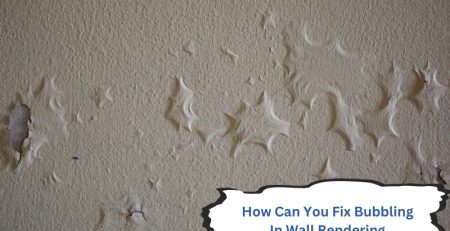
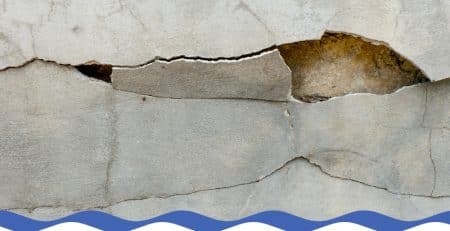
Some cracking is normal, and not all cracks are equal. Fine hairline cracks can appear as a wall settles or the render cures, and they’re usually cosmetic and easily patched. Structural cracks, the wider ones that follow the brickwork or keep growing, are a different story, since they point to movement in the wall behind the render and need proper attention rather than a smear of filler. Catching cracks early is what stops a small one becoming a big repair, and wall crack repairs done promptly keep water out and protect the render’s life.
How to make your render last longer
The good news is that getting decades out of your render is mostly about simple upkeep. Keep your gutters and downpipes clear so water isn’t constantly running down and soaking the render. Fix any roof or plumbing leaks quickly, because moisture behind render is its worst enemy. If you’re near the coast, hose the salt off the walls now and then to stop it building up. Repair small cracks and chips early, before water gets in behind and lifts the render. And reseal or repaint cement render when the coating starts to fade or chalk, since that layer is what keeps water out. None of it is hard or expensive, and it’s the difference between a facade that lasts decades and one that needs redoing far too soon. A quick annual look over the walls catches the small stuff while it’s still cheap to fix. Small, regular attention like this is far cheaper than a full re-render, and it keeps the facade looking its best in between.
Frequently asked questions
How often does render need to be replaced?
When it’s applied correctly and maintained, render rarely needs full replacement for several decades. What’s more common is repainting or recoating the surface every so often to keep it protected and looking fresh, and patching the odd crack. Full replacement is usually only needed when render is widely cracked, drummy or lifting from the wall.
Can old render be repaired instead of replaced?
Often, yes. If the bulk of the render is sound and well-bonded, cracks, chips and small drummy patches can be repaired and the surface recoated, which is far cheaper than a full re-render. Replacement is only really needed when the render has failed across large areas or lost its bond with the wall underneath.
Does coastal Sydney weather shorten render lifespan?
Coastal conditions are tougher on render, since salt air and moisture work harder on a facade than an inland setting. It doesn’t drastically shorten a well-applied render’s life, but it does mean prep, water resistance and maintenance matter more. Washing off salt and keeping the coating intact helps coastal render go the distance.
Final thoughts
Render is a decades-long finish when it’s applied properly and looked after, whether that’s cement, acrylic or a texture coating. Prep, exposure and simple maintenance decide how long yours lasts far more than the render type. Want to know what condition your render’s in? Book a free inspection with Jim’s Rendering Sydney on 0410 744 307.
| Ready to book?
Wondering how your render is holding up? Jim’s Rendering Sydney offers a free inspection across Sydney. Call 0410 744 307 to book. |