Repair or Replace? When Rendered Walls Need Redoing
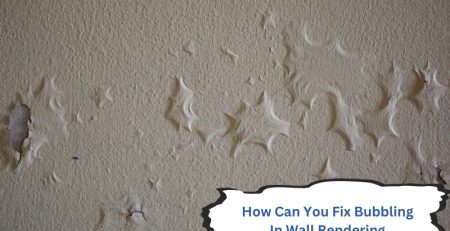
You have a rendered wall with a problem you have been watching get worse: some cracking, maybe a patch that sounds hollow, or render lifting at an edge. The question you actually need answered is not what caused it, you are past that- it is whether this can be fixed in sections or whether the wall needs stripping back and redoing. Here is the reassuring part. Most rendered walls can be repaired in sections, and a full re-render is the exception rather than the rule. What decides whether you repair or replace rendered walls is the extent of the failure and whether the cause is still active. This article covers how to tell the difference, what tips a wall into needing a full redo, and what to expect from each path.
What a section repair actually involves
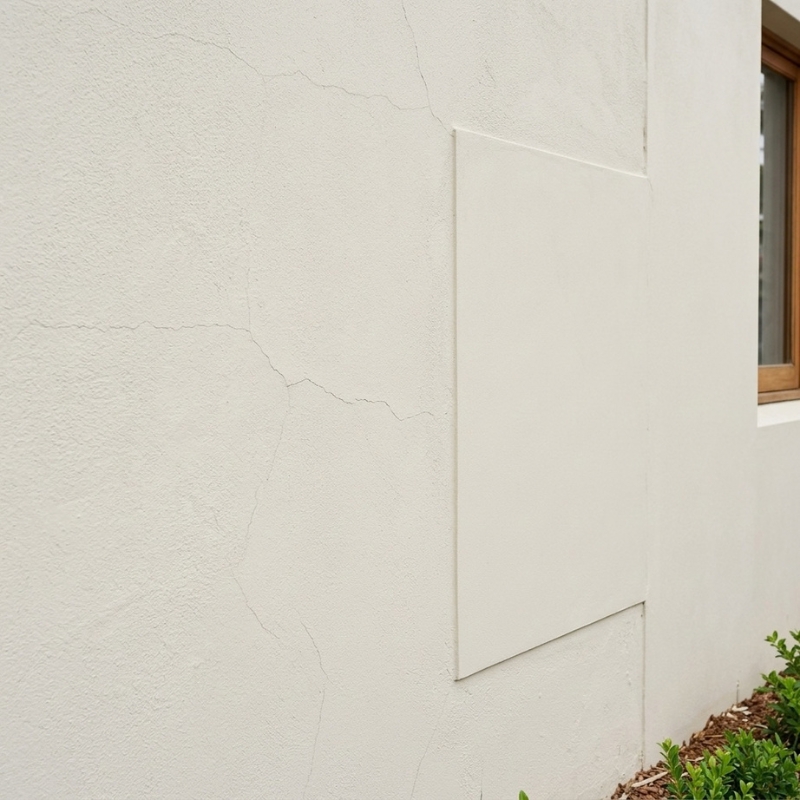
A section repair is exactly what it sounds like: fixing the failed area rather than the whole wall, and it is worth understanding how it is done properly so you know what you are paying for. The failed area is cut back to sound render, meaning back to render that is still firmly bonded, with a clean edge rather than a thin feathered one that will lift again. The cause is addressed before anything goes back on, in keeping with our published approach of fixing the cause, not just the crack. Then the substrate, the wall surface underneath, is checked and prepared; the area is built back up in coats to match the thickness of the render around it, and the finish is matched to what is already there.
Choosing to patch render or re-render comes down to how much of the wall is sound, and a good repair can make a patch structurally solid. There is one honest limit worth knowing, though. A repair can be made structurally sound, but on a wall whose finish has weathered or faded over the years, the repaired area may read slightly differently until the whole wall is recoated. Our repairs are prepared to paint-ready, and painting the whole home sits outside what we do, so the final colour blend is a separate step you arrange.
How to tell if your render is still sound
You can learn a surprising amount about your own wall with a few simple checks before anyone comes out. Here is what to look and listen for:
- Tap the wall and listen. Run a knuckle or a small tool across the surface. Render that is still bonded sounds solid, while render that has lost its grip on the wall behind sounds hollow. That hollow sound is what the trade calls drummy render, and it is one of the clearest signs an area has come loose even if it looks fine.
- Look for lifting or curling at edges, corners and around windows, where render tends to let go first.
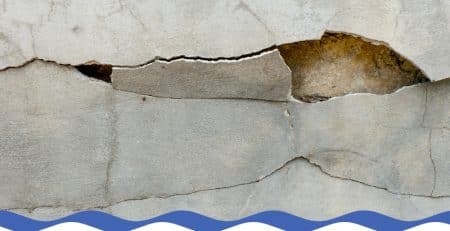
- Check whether the render is separating from the wall rather than simply cracked through the surface. Render coming away from wall is a different and more serious thing than a crack in an otherwise bonded surface.
- Judge how much is affected. Isolated hollow patches are a very different situation from failure spread right across an elevation.
- Consider whether cracking is still moving, which you can only really tell over time rather than in a single glance.
- Note whether previous patches have failed, and especially whether they failed in the same spots.
Running through these tells you roughly where you stand, and it is the honest way to answer “is my render repairable” before a trade is even involved. Isolated, well-bonded render with a localised fault usually points to repair, while widespread hollowness points the other way. One thing to be clear on: cracking is a symptom with several possible causes, and working out which is a diagnosis job best handled through proper render crack repair rather than guessed at from the surface.
When a wall really does need redoing
Sometimes a repair genuinely is not the right answer, and it is worth being straight about the real thresholds rather than overstating them. A full redo tends to be the call when:
- The failure runs across a large proportion of an elevation rather than sitting in isolated patches.
- The render has lost its bond so widely that there is little sound render left to cut back to, which a section repair depends on.
- Patches keep failing in the same area, which usually means the underlying cause was never addressed.
- Multiple incompatible coatings have been built up over decades, so the surface is a layered problem rather than a single one.
- The render was applied over a substrate that was never suitable or never properly prepared in the first place.
Knowing when to re-render a wall is partly a value decision too, not only a technical one. Where the patch count has climbed high enough, the combined cost of repeated repairs and the finish mismatch across all of them can make redoing the whole elevation the more sensible path, and a fresh cement rendering Sydney finish across the elevation gives you one consistent surface again. The honest point is that this is a judgement made with the whole wall in front of you, not something anyone can call from a photograph. If structural movement looks possible, that needs assessing in its own right, and structural engineering certification sits outside our scope, so it is referred on rather than diagnosed here.
The case for rendering over old render
There is a middle path you have probably heard mentioned, which is rendering over old render rather than stripping it off first. It can be a good option, but only under one condition: the existing render has to be sound and well bonded across the whole area. New render will not hold on a surface that is already letting go, so the entire result rests on the strength of that existing bond.
Preparation is what decides whether it works. The existing surface has to be checked across the whole elevation, any loose areas removed, and the surface prepared so the new coat properly keys to it. This is the path most often attempted badly, because skipping the bond check is quick and easy, and the trouble is that the failure does not show up straight away. A new coat laid over render that was quietly letting go can look perfect for a year or two before it starts coming away, taking the new work with it. Done properly, with the bond confirmed first, it is a sound approach. Done as a shortcut, it just buys a delayed and bigger problem.
What to do next
The sensible next step is to have the wall looked at before you decide anything, because the repair-or-replace call rests on findings you simply cannot get from a photo: how widespread the hollowness is, whether the cause is still active, and how much sound render there is to work with. When you want to repair or replace rendered walls the right way, professional wall crack repairs Sydney starts with a proper look rather than a guess.
Our process is straightforward: you book and describe the problem, we carry out an on-site inspection, explain the options, give a fixed quote, do the repair, then refinish and leave you with aftercare. The approach throughout is diagnosis-first, because we fix the cause, not just the crack. We are also upfront about our limits: structural engineering certification is not something we offer, we do not push a full-house re-render where a localised repair is the right answer, and our repairs are prepared to paint-ready. Quotes are free, done on site and carry no obligation, and our licensed team works Sydney-wide.
Most rendered walls are repairable, and it is the extent of the failure rather than the mere presence of a crack that decides whether yours needs redoing. If you have a wall you have been keeping an eye on, book a free on-site quote, and we will come and tell you honestly which path it needs, anywhere across Sydney.