How to paint a rendered wall comes down to three things in the right order: wait until the render has properly cured, prepare and seal the surface, then use a coating made to move with masonry. Get those right and the paint will hold its colour and its edges for years. Rush any one of them, and you are looking at patchy sheen, lifting edges or a fine map of cracks within a couple of summers. I see the same mistake over and over, which is paint going on while the render is still green. This guide works through the timing first and the finish last, and it also covers where texture coating as an alternative to repainting makes more sense than another coat of paint.
How long new render should cure before painting
New render is still chemically active when it looks finished. Cement-based render keeps hydrating for weeks, pushing moisture and alkaline salts out towards the surface. Paint applied into that gets attacked from behind, which is why render painted too early shows blotchy patches and poor adhesion.
The usual guidance for a cement-based coat is around 28 days before painting, and longer in cool or damp weather when the wall dries slowly. Thinner acrylic systems can often be coated sooner, and the product data sheet is the authority there. A simple field check is a moisture meter, or taping clear plastic to the wall overnight and looking for condensation underneath in the morning.
Alkalinity is the other half of the battle. Freshly cured render sits high on the pH scale, and high alkalinity breaks down ordinary paint binders. Time brings it down, and an alkali-resistant sealer handles whatever is left.
Preparing the surface properly
Knowing how to paint a rendered wall is mostly about preparation, because that is where durability is won or lost. Start by washing the wall down to shift dust, chalking, mould and the grime that builds up on any outdoor surface. A mould treatment is worth using on shaded walls, since painting over spores buries the problem for a season.
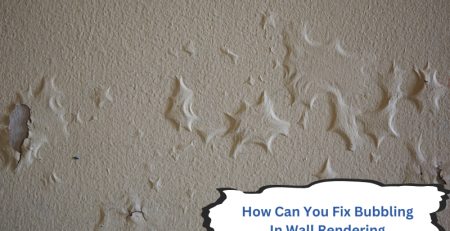
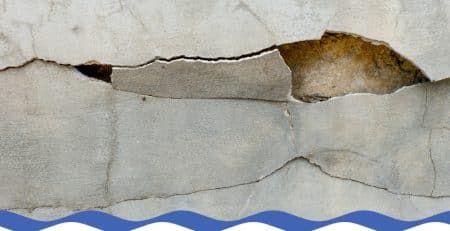
Next, look closely at the render. Fine hairline crazing can usually be bridged by a high build coating. Anything wider, or any area that sounds hollow when tapped, needs cutting out and patching first, and the patch needs its own curing time. Chipped corners, failed bead ends, gaps around windows and split sealant all get sorted at this stage.
Then let the wall dry fully and knock the dust back off it. Render holds fine dust in its texture, and dust is the most common reason a coating lifts in strips a year later.
Do you need to seal render before painting
In almost every case, yes. A sealer does three things at once. It evens out the suction, so the topcoat does not soak into porous patches and sit on dense ones, which is what causes patchy sheen. It resists the alkalinity still coming out of the cement. And it gives the topcoat a consistent surface to bond to.
Choose the sealer for the situation. An alkali-resistant masonry sealer suits newly cured render, while a stabilising primer suits an old chalky wall that powders off on your fingers. On any wall with a history of damp, deal with the source of the water first, because a sealer will not hold back moisture pushing out from behind.
Choosing the right paint for rendered walls
Rendered walls move. They expand in the sun, contract overnight and carry the small seasonal shifts of the building behind them. The coating has to move with that and still let water vapour out, which rules out anything hard, brittle or fully impermeable.
A quality exterior acrylic paint is the standard answer. Acrylics stay flexible, breathe well enough to let trapped moisture escape, and hold their colour against UV. For walls with fine crazing, a high build acrylic lays down a thicker, more elastic film that bridges hairlines. Lighter colours are easier on large sun-exposed walls, because deep colours absorb more heat and move more.
It is worth knowing that paint is not the only route to a coloured wall. Some acrylic render finishes that already carry their colour are applied as the wall surface itself, so the colour sits in the material rather than in a film on top of it. That changes the maintenance picture, because there is no paint layer to peel.
Painting over textured render
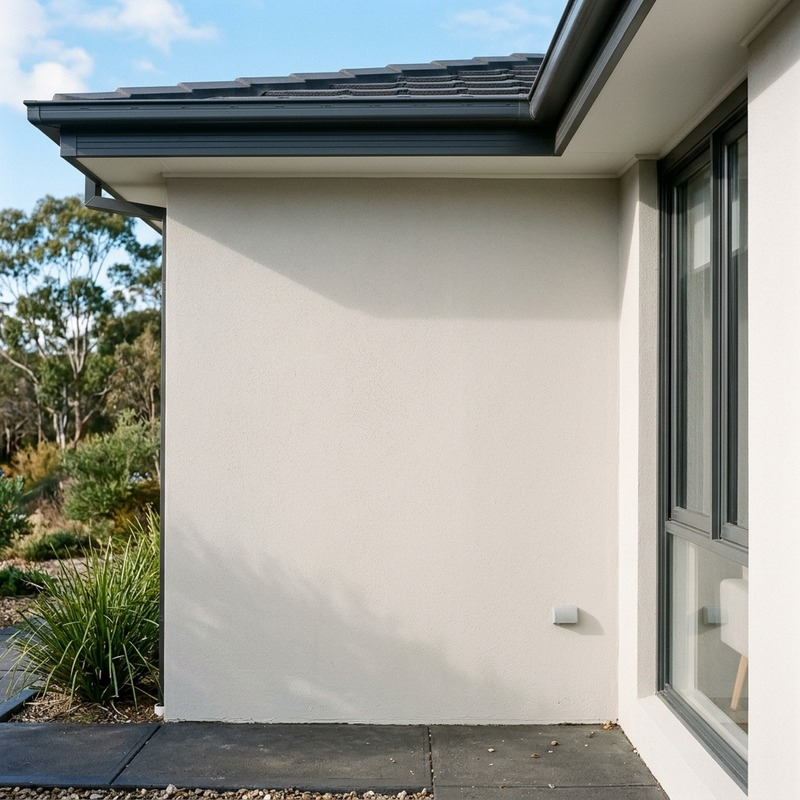
Textured render takes paint well, with two adjustments. The first is coverage: a coarse texture has far more surface area than a flat wall, so expect to use noticeably more paint. The second is application. A roller alone skips the hollows in a heavy texture, leaving pale speckling that shows badly in raking light. Work the first coat in with a brush, or use a long nap roller with a loaded, slower pass, then follow with a full second coat.
Spraying gives the most even result on heavy textures over large areas, as long as back rolling pushes the coating into the profile instead of leaving it on the high points. Accept that paint softens a fine texture slightly, so keep the film build modest if the texture is the feature.
Painting compared with recoating
Paint and a texture coat are different products doing a similar job, and each has a clear strength. Paint is the lighter touch. It is quicker, easy to change later, and the obvious choice when the render underneath is in good condition, and you simply want a new colour.
A texture coat is thicker and body-building, carrying its finish and colour in one application, so it evens out a patchy surface and takes the paint film out of the equation. Where a wall has been repainted several times, that can be the more durable path. Neither is a compromise version of the other, and the right call depends on the condition of the render.
Weather, timing and the order of work
Paint on render is sensitive to conditions. Most exterior acrylics want surface temperatures between about 10 and 30 degrees, with no rain expected inside the recoat window and no direct sun baking the wall. Through a Sydney summer, that means following the shade around the house rather than starting on the western wall at two in the afternoon.
Work top down, finish each wall in one session so no join shows partway across, and respect the recoat times on the tin.
A note on the rules. External wall finishes on buildings fall under the National Construction Code, published by the Australian Building Codes Board, and in New South Wales residential building work above a set value must be carried out by a licensed contractor under thresholds administered by NSW Fair Trading. Both are revised periodically, so confirm the current requirements with those bodies before you settle on a scope of work.
Frequently asked questions
How long should new render cure before painting?
Allow about 28 days for a cement-based render in normal conditions, and longer in cool or humid weather. Thinner acrylic systems can often be coated sooner, so follow the product data sheet. Check before you start with a moisture meter, or tape a square of clear plastic to the wall overnight and look for condensation underneath it in the morning.
Do I need to seal render before painting?
Yes, in nearly all cases. A sealer evens out the wall’s suction so the topcoat does not go patchy, resists the alkalinity still coming out of cured cement render, and gives the paint a consistent surface to grip. Use an alkali resistant masonry sealer on new render and a stabilising primer on an old chalky one.
Can you paint over textured render?
Yes. Allow for noticeably more paint because of the extra surface area, and work the coating into the profile with a brush, a long nap roller, or spray with back rolling. Expect a fine texture to soften a little under paint, so keep the film build modest if the texture matters to you.
What paint is best for rendered walls?
A quality exterior acrylic is the usual choice, because it stays flexible, lets moisture vapour escape and holds its colour under UV. For walls with fine crazing, a high build or elastomeric acrylic bridges hairlines. Keep the sealer, undercoat and topcoat within the one tested range.
Before you buy the paint
If you would rather have the wall assessed before committing to a colour, Jims Rendering Sydney has been working on rendered walls for more than 15 years and can tell you whether the surface is ready. Our licensed team covers Sydney-wide, so you can contact us to arrange a time.